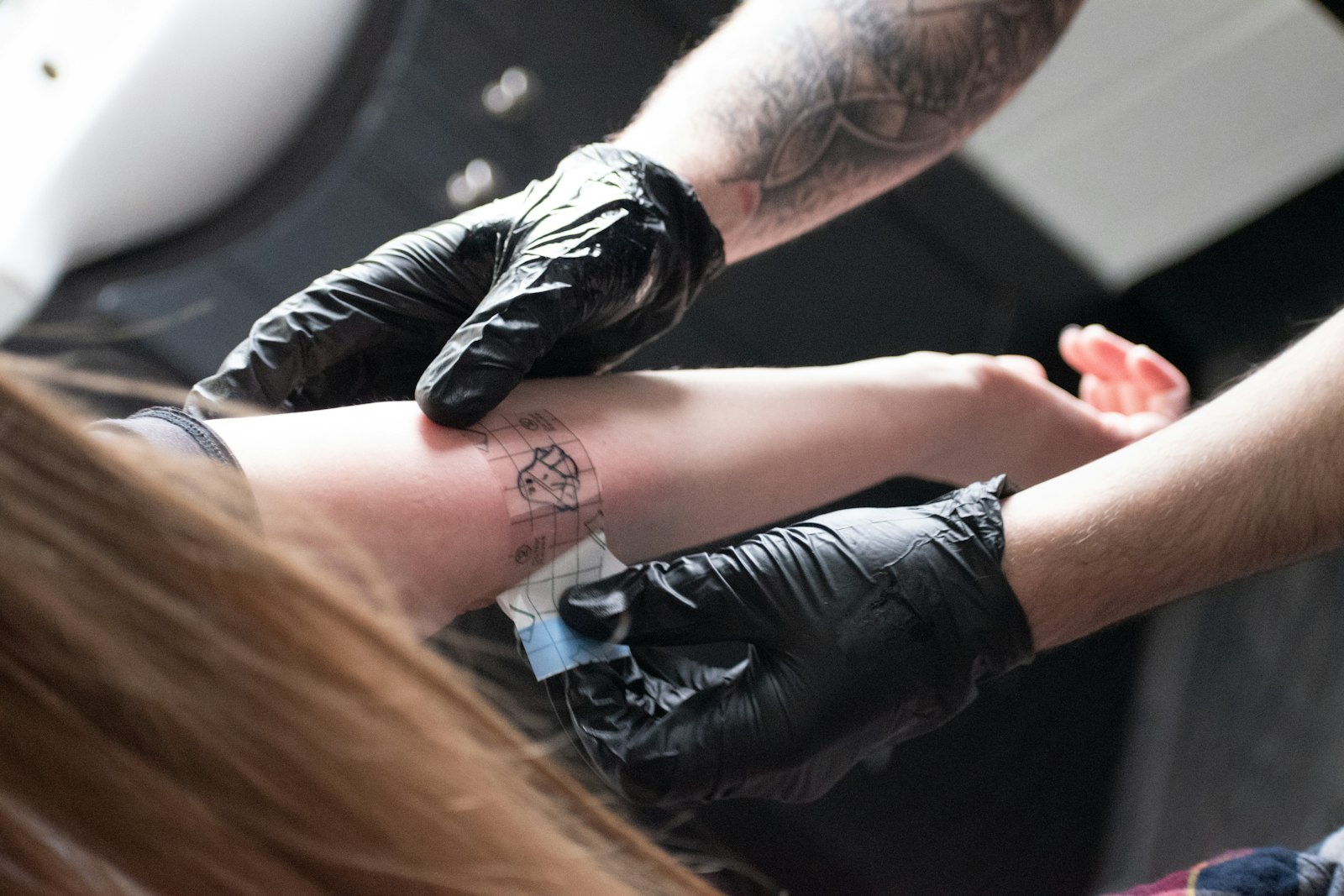
The first 48 hours after leaving our Downtown studio set the tone for everything that follows. How you care for your tattoo right then and for the next few weeks determines whether your colors stay vibrant, your lines remain sharp, or whether infection and scarring destroy the whole design. We've brought hundreds of tattoos through the healing process at Cleopatra Ink Seattle, and we know exactly what separates a smooth recovery from a painful one. Here's what actually happens after you walk out the door and how to keep your new ink looking perfect.
The Real Timeline: What Your Tattoo Needs Each Week
Healing doesn't happen all at once. Your tattoo moves through distinct phases, each one asking something different of you. Once you understand these stages, you'll know what's normal and what actually requires attention.
Days 1–3 (the inflammatory phase): Your immune system goes into overdrive. Redness, swelling, and oozing are all signs it's working. Plasma and ink are settling into place. This is your highest-risk window for infection if you skip steps on cleaning. Your tattoo will look shiny and feel warm to the touch.
Days 4–14 (the peeling phase): The outer skin layer starts flaking off like sunburned skin. Don't pick at it. Fresh skin is forming underneath. Right now your tattoo might look faded or blotchy, but that's temporary. Keep it moisturized and protected from rubbing, friction, and direct sun. Most people panic this week, convinced they've ruined the piece. You haven't. This is exactly how healing works.
Weeks 3–6 (the settling phase): The flaking slows down. Colors stabilize gradually, but the deeper tissue is still repairing itself. Your skin barrier is rebuilding. Long baths, chlorine, and harsh sunlight should stay off limits during this time.
Month 2+ (the refinement phase): Your tattoo feels and looks normal now, though your body is still rearranging cells underneath for up to six months. This is why UV protection matters even after the scabs are gone.
Five Essential Checks Before Your First Week of Healing
Right after your session, we wrap your piece. That wrapping comes off in 2–6 hours. Before you unwrap it and start caring for it at home, confirm these five things:
- You have the exact products your artist recommended. Not some random "tattoo cream" from the drugstore. At Cleopatra Ink, we tell you specifically whether you need fragrance-free lotion, a second-skin like Saniderm, or a particular balm. If you didn't catch what your artist said, call us before you guess. The wrong product drags out healing or causes irritation.
- Your water is actually clean. Tap water quality varies across Seattle. If your artist mentioned well water, hard water, or boil notices in your area, grab bottled or filtered water for the first two weeks of cleaning. Bacteria from contaminated water can slip right in when your tattoo is most vulnerable to infection.
- You know washing is not soaking. Running clean water and unscented soap is washing. Sitting your tattoo in bathwater for 20 minutes is soaking, and it breaks down your healing barrier. Ask your artist before your first post-wrap shower whether pools, baths, or ocean swims are safe. Usually they're not for at least two weeks.
- You get what "minimal friction" actually means. Tight shirts, rough sheets, backpack straps, and pet claws all mess with healing. Think through your work clothes, your bed setup, and any physical activities you do before your appointment. Tell your artist if you have a physical job or play sports so they can adjust bandaging or suggest better timing.
- You have a plan if something goes wrong. Extreme heat, swelling that won't quit past day 5, or infection signs (pus, dark red lines spreading out, fever) all need fast action. Figure out now whether you'll text us, hit urgent care, or see a dermatologist. Don't wait until there's a real crisis to decide.
How Cleopatra Ink Supports Your Healing From Day One
Our 4.9-star rating from over 1,300 reviews reflects way more than just the tattoo session itself. We take healing seriously. Hospital-grade sterilization is standard throughout the studio, so bacterial exposure during your appointment is already minimal. That lower starting point gives your immune system a real advantage in those critical first few days.
Our artists—Vee, Kuya Ramon, and Seray—each write custom aftercare instructions built specifically for your piece. Fine-line work from Vee needs completely different care than a blackwork realism portrait from Kuya Ramon. Vee's minimal designs demand aggressive UV protection to keep those thin lines sharp and defined, while Kuya's dense work heals best under Saniderm to lock in saturation and color depth. You're not getting a generic instruction sheet. You're getting a plan made for exactly what we just put on your skin.
We stay available during your recovery. Send us a photo if you're worried about something, or drop by for a quick check-in. We spot early infection signals, catch bad reactions to products, and calm clients freaking out over totally normal flaking. One client got a memorial piece from Kuya Ramon and texted us on day 8, absolutely sure the portrait was scabbing too thick. A five-minute call confirmed everything was on track and the piece would turn out stunning. That single conversation kept her from bailing on her aftercare because she was panicking.
Navigating Product Choices and Special Healing Scenarios
Should you use Saniderm or traditional bandaging? Saniderm is a breathable adhesive layer that locks in moisture and keeps bacteria and friction out for up to 7 days. It's great for active people, chronic pickers, or anyone who wants a hands-off recovery. But it traps heat and doesn't work for everyone. Sensitive skin or people in humid climates often find it irritating. Ask your artist if Saniderm is standard with them or an add-on. Our breakdown on Saniderm tattoo aftercare in Seattle explains when it actually makes sense.
What about specialized creams? Unscented lotion like CeraVe or Aveeno works fine for most people. Some artists use a tattoo-specific balm for week one, then switch to regular moisturizer. Others stick with the same product throughout. Your artist will decide. Not sure which to buy? Check our guide on tattoo aftercare cream options for ingredient info and which situations call for what.
Do color and fine-line pieces heal differently? Totally. Color tattoos need moisture balanced just right. Too dry and colors fade unevenly; too wet and ink moves around. Fine-line work is even trickier. Those delicate lines in botanical and minimalist designs blur or thin out if bandaging or cleaning is rough. Our guides on color tattoo healing and fine-line aftercare break down each one.
Common Tattoo Aftercare Questions Seattle Clients Ask
Can I go back to the gym during healing?
Light activity like walking or easy stretching is okay after day 3 or 4, once swelling drops. Heavy cardio, lifting, or contact sports are off the table for two weeks minimum. Sweat, friction, and elevated heart rate push fresh ink straight out of open wounds and bump up infection risk. If your job is physically demanding, talk to your artist about scheduling your appointment during a slower stretch at work.
When can I expose my tattoo to sun or chlorine?
Pools, oceans, and hot tubs are bacteria playgrounds. Keep your tattoo out for at least two weeks. Even after healing wraps around week 4, chlorine bothers fresh skin. Sun is its own problem. Direct UV burns healing tissue and fades new ink fast. During the first six weeks, cover it up or use SPF 50+. Once fully healed, sun protection still matters because UV will fade your colors over time.
Is some itching and peeling normal?
Heavy itching around days 7–10 is totally normal. Your body is rebuilding skin. Don't scratch. Moisturize instead, wear loose clothes around the piece, and distract yourself if the itch gets unbearable. Peeling like sunburned skin shedding is also standard during weeks 2–3. Leave the flakes alone even if they're hanging. Let them shed naturally.
What if I notice redness or swelling after day 5?
Mild redness and swelling in the first 48 hours are expected. By day 5, those should fade noticeably. If redness gets worse, heat builds up, pus shows up, or red streaks spread from the tattoo, that's infection and needs immediate attention. Contact your artist or a doctor right away. Early treatment stops serious complications from happening.
Your tattoo is an investment in art and who you are. Healing it right honors the skill your artist put into it and keeps the piece looking sharp forever. Healing questions pop up during recovery? Cleopatra Ink is here for product advice, recovery check-ins, or confirmation that what you're experiencing is totally normal. Book your next piece with us, and we'll create something worth protecting.
Have an aftercare question? Contact us through the artists page, visit the location page, or browse healed work in our gallery.
More guides from the team are live on the Cleopatra Ink Seattle blog.