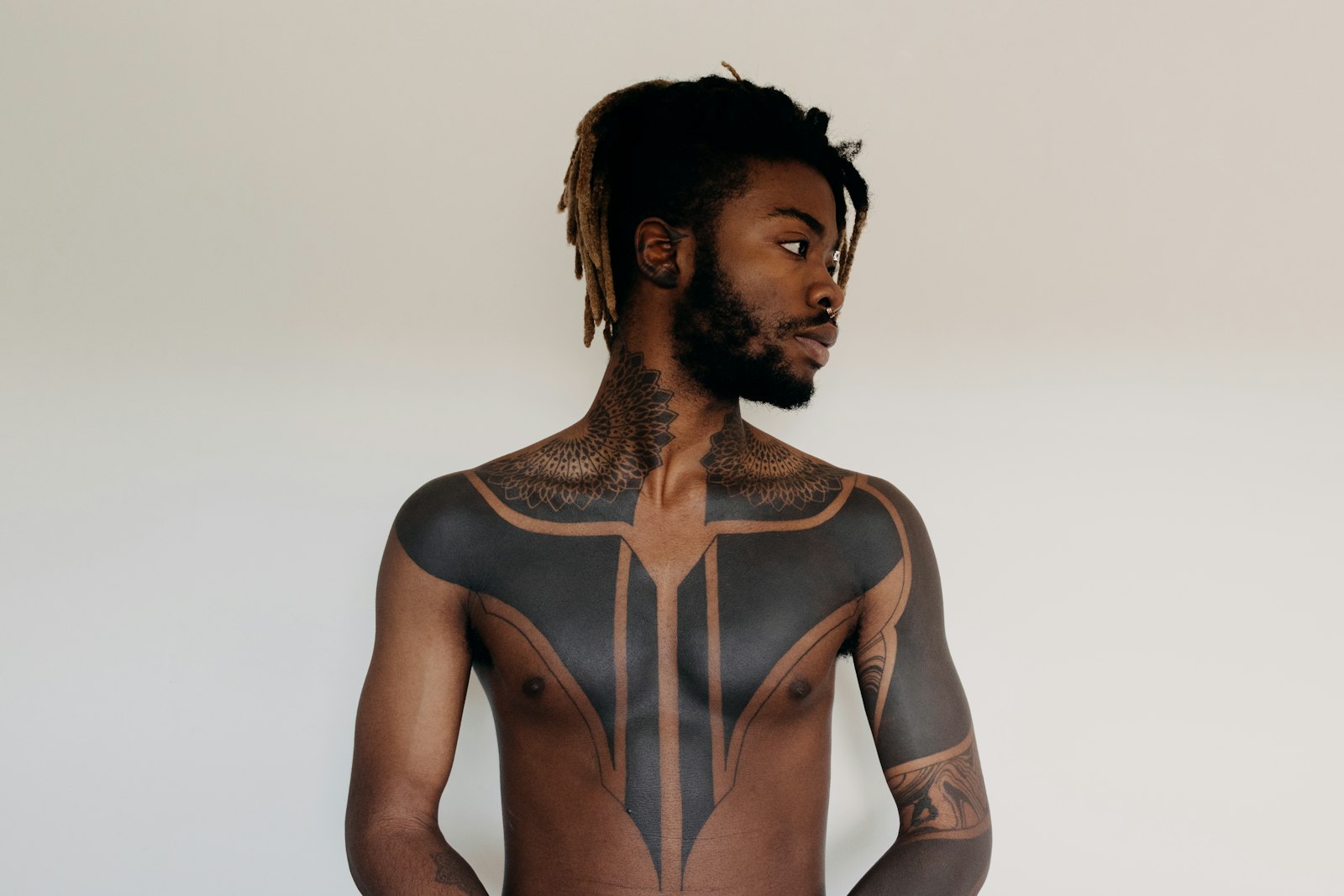
Religious tattoos aren't just ink on skin—they're a permanent commitment to faith, a visual anchor for belief, and sometimes a mark of spiritual turning points. You might be drawn to Christian crosses, Islamic calligraphy, Buddhist mandalas, Hindu deities, or something from your own sacred tradition. Whatever you choose, your tattoo becomes a direct conversation between your body and your beliefs. Seattle's got real spiritual diversity, and that means finding an artist who actually grasps what religious imagery demands matters more than most decisions you'll make. At Cleopatra Ink, we've spent years building expertise in religious tattoo seattle work, partnering with clients whose faith deserves nothing less than precision, respect, and work that'll still look sacred decades from now.
What Makes Religious Imagery Work on Skin
Three things have to line up: the symbol has to be accurate, it has to read clearly when you look at it, and it has to actually mean something to you. A sacred symbol done badly becomes a lifetime of regret. Done right, it becomes an anchor. The real trick isn't making it complicated—it's making it count. An Orthodox cross needs completely different needle work than a Hindu mandala. A Quranic verse requires actual calligraphic skill, not just letters that look vaguely fancy. A saint portrait has to work as both likeness and reverence.
We don't rush this stuff. Our artists spend time understanding your specific tradition, your particular branch of faith, and what symbolism actually matters to you. We pull reference material, double-check meaning, and build designs that'll still feel sacred in fifty years, not like something you grabbed off a trend list.
Five Things to Verify Before Getting a Religious Tattoo
- Symbolic authenticity. Centuries of meaning live inside religious symbols—and sometimes they mean totally different things depending on context. A cross rotated the wrong way, a deity's hand gesture flipped, or a mantra spelled phonetically instead of in the actual script can wreck the whole piece. Work with your artist to research your exact tradition. Bring reference images. Speak up if something doesn't feel right.
- Placement significance. Many faiths have real rules about where sacred imagery can go on your body. Putting a religious image below the waist offends Hindu, Buddhist, and Islamic sensibilities. On the chest, a Christian symbol reads as heart-centered devotion, but other traditions might read it differently. Talk placement through with your artist and, if you're uncertain, check with an elder or trusted mentor in your community.
- Longevity of the design. Religious tattoos age in specific ways. Fine lines on a cross blur over time; a deity's face might lose its sharpness. Ask directly: how will your specific design hold up after ten, twenty, thirty years? Some designs need touch-ups; some fade beautifully. Know exactly what you're signing up for.
- Artist experience with your specific tradition. Not every tattoo artist knows every religious tradition equally well. Someone amazing at Japanese temple work might not understand Coptic Christian imagery. A blackwork master could crush Islamic geometric patterns but struggle with Christian realism. Ask straight up: "Have you done this exact religious style before? Got a portfolio?" Pay attention to their answer.
- Your own readiness and clarity. These tattoos carry real spiritual weight. You're not impulse-deciding; you're making a physical and spiritual commitment. Be real with yourself: are you in a stable spiritual place right now? Is this tattoo capturing what you believe now, or are you trying to lock down something you're still figuring out? The strongest religious tattoos come from people who genuinely know why they're doing it.
Cleopatra Ink's Approach to Sacred Ink
Our shop runs hospital-grade sterilization because religious work demands zero shortcuts. A contaminated needle during a sacred tattoo isn't just unsafe—it's a violation of something bigger. We run single-use sterile needles, autoclave everything between clients, and document every safety procedure.
Three artists anchor our religious work, each with different skill sets. Kuya Ramon handles portraiture and realism, which means he's your person for saint portraits, deity work, and detailed figurative religious pieces. His memorial tattoos often hit people spiritually—clients come back years later saying he captured something essential about someone they lost or a spiritual moment that shifted everything. Vee specializes in fine-line work and botanical detail, ideal for calligraphic religious text, sacred geometry, and symbolic pieces that need precision without weight. Seray brings exactness to intricate designs and knows sacred symbols across multiple traditions inside and out.
Our biggest strength: we actually listen. One client walked in wanting a Hindu deity but wasn't totally sure of the exact iconography. Instead of guessing, we spent an hour digging into references, called a local Hindu cultural center, and got it perfect. That tattoo means everything to her now. That's our baseline.
Religious Tattoo Design Questions and Answers
Can I get a religious tattoo if I'm exploring faith but haven't fully committed?
We'd push you to wait, honestly. Religious tattoos work best with real intention behind them. If you're still in exploration mode—which is totally fine and worth honoring—try temporary henna or mehndi to sit with a sacred symbol first. Come back when your conviction's solid.
What if I want a religious tattoo but I'm worried about judgment from my faith community?
That concern is legitimate for some traditions. Certain Christian, Jewish, and Islamic branches teach against tattoos entirely. Some Buddhist and Hindu communities see them as spiritual markers and welcome them. Know exactly where your specific tradition stands before you commit. If community judgment matters, talk to someone trusted in your faith first. A real tattoo artist supports that conversation; we're here to honor your faith, not compromise it.
How do I ensure the religious text on my tattoo is accurate?
Bring the actual source. Bring verses in their original language. Provide mantras in the correct transliteration or native script. Ask us to verify it with a native speaker if you're not fluent yourself. Religious text tattoos are permanent—spelling mistakes or grammar problems carry real consequences. Don't rush this part.
Are there styles that work better for religious tattoos?
Depends on your tradition. Christian and Islamic work often fits calligraphic precision, geometric sacred geometry, and clean line work. Hindu and Buddhist traditions embrace both detailed realism and intricate symbolism—some people choose black and grey portraiture for deity work, others go color. Some traditions pair perfectly with blackwork's bold, sacred weight. The right style is whatever actually represents your faith.
Ready to commit your faith to skin? Cleopatra Ink builds every religious tattoo on precision, respect, and the understanding that sacred work needs sacred hands. Book a consultation with one of our artists—bring your vision, your references, and your faith. Let's make something that matters.
Check out our studio gallery for recent work, meet our artists to find your stylistic fit, or browse the full menu of tattoo and piercing services we offer at Cleopatra Ink Seattle.
Read more guides on the Cleopatra Ink Seattle blog.