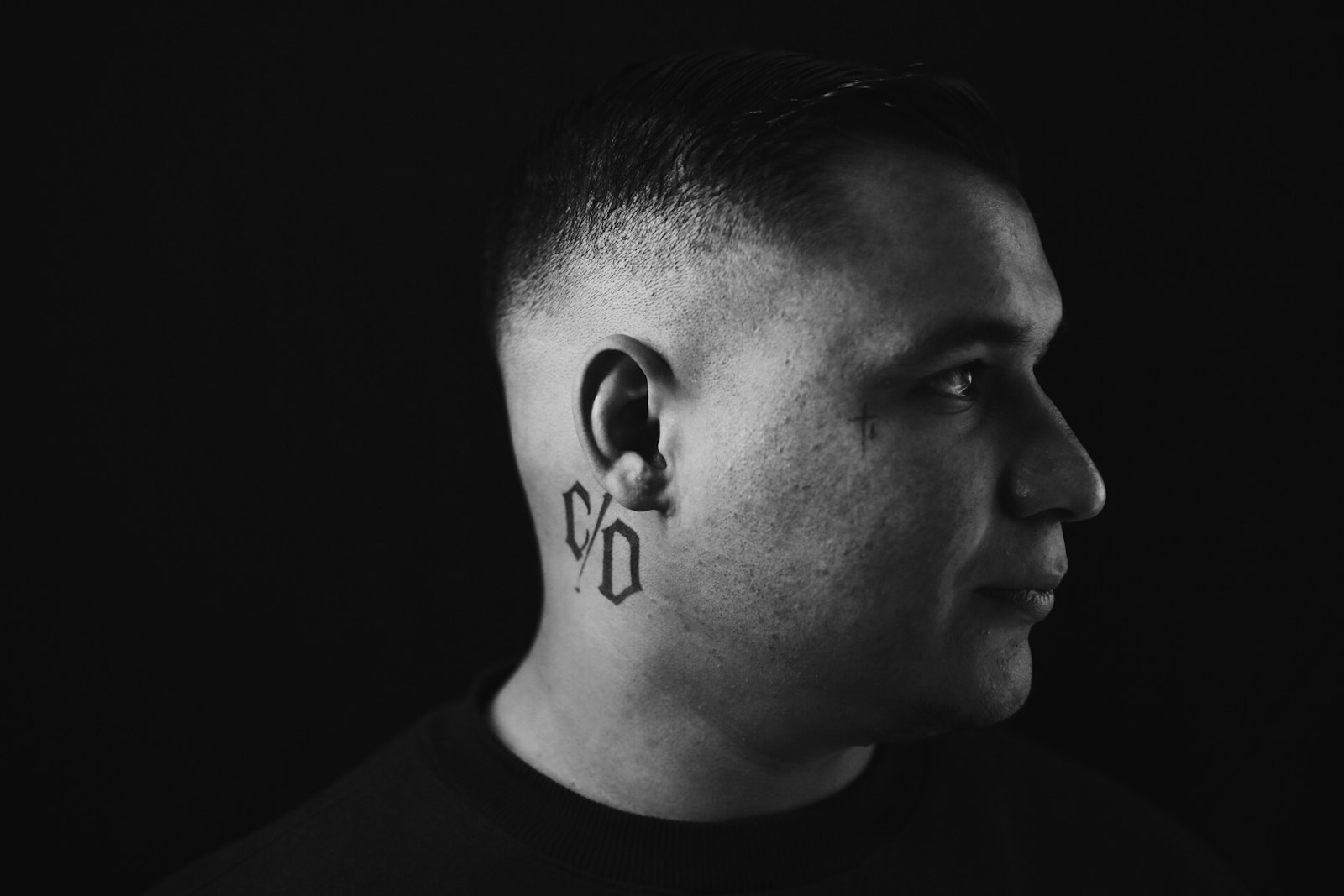
Old school tattoos hit different—bold lines, simple color palettes, designs that punch across a room. Vintage sailor work, nautical anchors, roses wrapped in daggers, swallows in flight. These are the images that define old school tattoo seattle, a style that's refused to become obsolete despite decades of competing trends. We've built Cleopatra Ink's reputation on respecting how classic work anchors a collection, pairing traditional aesthetics with modern execution and hospital-grade sterilization that honors both the legacy and your skin.
Why Old School Tattoos Outlast Trends
Old school emerged from early-twentieth-century sailor culture. Simplified imagery and bold linework weren't artistic choices—they were practical necessities. Designs had to work on moving skin, age predictably, and tell stories without excessive detail. That constraint became the foundation of the style itself. A proper old school piece doesn't lean on photorealistic shading or intricate detail. It relies on confident line weight, strategic color blocking (red, green, yellow, black), and compositions that naturally feel balanced.
The style survives because it works. Hyper-realistic work dates as camera technology shifts. Abstract pieces depend on what's fashionable right now. Old school exists outside both cycles. That 1945 anchor looks identical today. No accident—geometry and human psychology aligned. Heavy outlines keep the image sharp as bodies age and skin changes texture. Limited color prevents ink from shifting muddy or pale over decades.
Curious about old school's place in your own collection? Consider how our artists handle related classic work. American traditional tattoo Seattle shares significant overlap with old school, though it often carries slightly more refinement. And if you're wondering how vintage methods clash with contemporary approaches, new school tattoo Seattle shows exactly how line-based design has evolved.
Five Elements to Verify Before Committing to an Old School Design
Old school looks deceptively simple. That's precisely why poor execution becomes glaringly obvious. Before booking, ask yourself these five things:
- Does the line weight feel intentional? Old school isn't "thick lines everywhere"—it's calculated weight variation. Outlines need confidence and consistency. Ask your artist to show portfolio images where you can judge their line weight against the composition. Wavering or uneven lines wreck the entire aesthetic.
- Is the color theory sound? Traditional old school uses red, green, yellow, and black. The strongest work respects contrast between these colors, so they read distinctly on skin instead of blending into muddy brown or dull orange. Check color saturation across multiple pieces in your artist's portfolio, especially work done 2+ years back. Time exposes whether colors actually hold.
- Does the design have negative space? Old school compositions need room to breathe. They don't fill empty skin just to fill something. A rose should have distinct petals separated by bare skin, not a solid blob. Before your artist starts inking, ask them to walk through the composition.
- Can the artist hand-draw your custom design? Stencils are standard, but the strongest old school artists sketch custom work through conversation, not just trace existing flash. This shows they understand proportion, balance, and how your idea actually translates to your specific placement.
- Has the artist executed successful old school work before? Talent alone isn't enough. Old school demands restraint and specific understanding of proportion. Request portfolio photos of old school pieces specifically, not just "things I've done that happen to have color."
Why Cleopatra Ink Artists Master Old School Execution
Kuya Ramon has invested years perfecting realism and blackwork—disciplines that demand absolute technical precision. That precision transfers directly to old school. Bold outlines and limited color palettes leave no room for sloppy work. Every mark shows. Ramon treats old school commissions with the same meticulous care he brings to memorial portrait pieces.
Our sterilization beats industry standards by a wide margin. Every needle, tube, and ink cap is single-use and discarded right after. Our equipment is hospital-grade and serviced by certified technicians. For old school specifically, this matters more than most styles. Bold lines and strategic color blocking demand perfect needle alignment and clean ink delivery. A tiny infection or ink migration in a thick outline destroys the entire piece.
One regular walked in wanting a classic nautical sleeve—anchors, ropes, ship wheel. She'd spent months wrestling with the commitment. After her first session with Ramon, she texted back: "I'm shocked how bold it is and how perfectly balanced it feels on my arm. It doesn't look stamped on—it looks like it belongs there." That's the gap between competent technique and artistry that understands old school as a living tradition, not a relic.
Old School Tattoo Questions Answered
Do old school tattoos fade faster than modern styles?
Not if the work is solid. Bold outlines and simple color palettes actually age better than intricate detail. Red is the exception—red fades quicker than black, green, or yellow. A well-placed red line in old school still reads clearly ten years later though. Before you sit down, talk fade expectations with your artist. Some clients touch up reds every 7-8 years. Others embrace the gradual softening as patina.
Can I customize old school designs, or should I stick to traditional flash?
Customization is the smart path. Flash is inspiration, but real old school work gets tailored to your body, your story, your collection. We build from your ideas—family symbols, initials, nautical mixed with personal meaning—then apply old school composition rules to create something that feels timeless and entirely yours.
What's the difference between old school and American traditional?
The terms blur together, but technically old school refers to the earliest sailor and circus work (1900s–1940s). American traditional is the bigger category including mid-century refinements. American traditional often carries slightly more detail and color range. Blackwork tattoo Seattle artists sometimes borrow old school composition too, just without color. Bold lines and clarity connect all of them.
How much arm space does a good old school piece need?
Small pieces sing. A two-inch anchor or rose absolutely works. But composition matters more than raw size. A three-inch piece with bad spacing feels cramped. A well-composed two-incher feels generous. During the design phase, talk placement and size with your artist. They'll show you what "readable from across a room" actually looks like on your specific body.
Old school endures because it respects line, composition, and color theory fundamentals. Ready to invest in a piece that looks bold at year one and dignified at year twenty? Cleopatra Ink is here to guide you through it. Book a consultation with one of our artists and let's build something timeless.
Check our portfolio in the studio gallery, meet our artists to find your stylistic match, or browse the full range of tattoo and piercing services at Cleopatra Ink Seattle.
Dig into more resources from our team on the Cleopatra Ink Seattle blog.