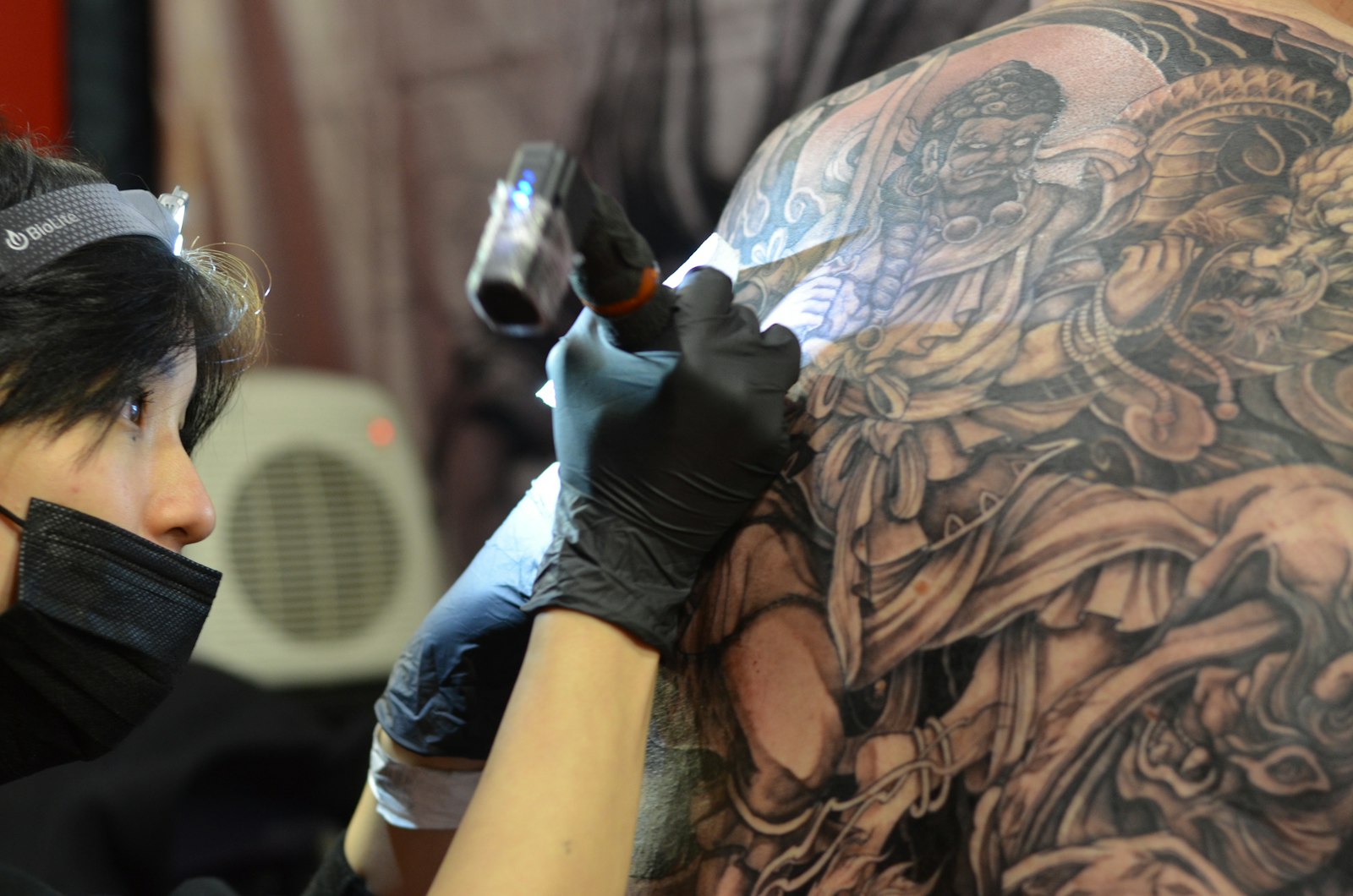
American traditional is the backbone of modern tattoo culture. Sailors in the early 1900s invented a visual system that still dominates today—heavy dark outlines, solid fills, designs that pop from a distance. Anchors. Roses. Eagles. Names burned into skin as permanent promises. The style endures because it was built to. Bold lines, simple shapes, designed to survive decades. This is the kind of work that deserves serious artists and serious commitment.
The Core Language of American Traditional Design
You can't fake American traditional with gossamer lines or soft watercolor effects. The rules have held rock solid for over a century, and they exist for a reason. Every piece starts with a thick, clean outline in black or dark brown. That outline carries the entire design. Inside, you get solid color: red, green, yellow, blue, orange, purple. Opaque. Bold. Zero blending, zero realistic shading. A rose looks like a rose whether someone's standing next to you or watching from across the bar.
These symbols aren't decorative accidents. Sailor culture wove meaning into every image. An anchor meant stability and home. Roses symbolized love, beauty, or grief. Ships stood for escape or journey. A pin represented a sweetheart waiting ashore. This visual vocabulary still resonates because it came from real lives, real danger, real emotion. That's why American traditional outlasts trendy styles.
5 Things to Check Before Committing to American Traditional Design
- Does the artist have a strong traditional portfolio? Not every tattoo artist masters every style. American traditional requires precise knowledge of line weight, color saturation, and the proportions that make designs jump. Ask for healed photos. Muddy outlines or weak color hold are red flags that the artist hasn't put in the foundational work.
- Can you describe what you want in traditional terms, or does the artist guide you? Real traditional artists think in the language fluently. They don't just copy reference photos. Tell a skilled artist "I want a rose with my grandmother's name" and they'll nail the proportions, stem placement, petal weight so everything feels balanced and reads sharp. That's years of experience showing.
- Is the artist sourcing quality ink and using fresh needles? Traditional color only holds as well as the pigment. Cheap ink fades, blurs, or shifts unpredictably. A serious artist uses pharmaceutical-grade sterile ink from reputable makers. Needle packs crack open right in front of you. No shortcuts, period.
- How does the artist handle scaling and placement on your body? A design looks different on actual skin than on paper. A good artist talks placement through with you and adjusts sizing so the piece reads clearly in real life. This matters hugely with traditional work, where every detail shows.
- Will the artist recommend touch-ups and what's their aftercare protocol? American traditional color can fade if aftercare gets messed up. A responsible artist explains how to keep work vibrant (gentle soap, lotion, sun protection) and offers reasonable touch-up terms if needed. That kind of honesty tells you they'll care about your piece a decade from now.
Why Cleopatra Ink Gets American Traditional Right
Kuya Ramon is one of our main artists and has spent serious time mastering traditional and realism work. His approach respects the style's core rules while making designs personal to each client. He sources pharmaceutical-grade imported inks that hold color for decades. Every needle pack opens in front of you. His station runs on hospital-grade sterilization. No compromises.
A client walked in wanting a traditional eagle with her late father's initials worked into the design. Kuya Ramon spent real time in consultation grasping the emotional weight, then created something that honored both the traditional aesthetic and the personal story. The eagle sits bold and balanced on her forearm. The initials hide in the feathers, only visible up close. The color is rich and crisp, the kind of work that looks incredible decades from now because it was done right the first time.
Our studio space supports this work too. American traditional demands focus and clarity, and our clean, carefully designed environment with its Egyptian gold and dark aesthetic gives artists room to concentrate and clients space to breathe through the session. We invest in top-tier equipment because traditional work punishes mistakes and cheap tools.
Common Questions About American Traditional Work
How much does an American traditional tattoo cost in Seattle?
Size, complexity, and artist experience all factor in. Small traditional pieces typically run $150–$300. Medium work costs $300–$700. Larger designs or complex multi-element work starts at $700 and goes up. At Cleopatra Ink, pricing reflects actual artist skill, sterile gear, and quality ink. Buy quality, not price tags. Cheap traditional looks rough after half a year.
Does American traditional work better on certain body placements?
Traditional designs read well almost everywhere, but some spots really showcase them. Upper arms, forearms, and chests are classic homes for larger pieces. Traditional also holds better on areas that don't take constant sun or friction. Hands and feet get hammered by both, so chat with your artist about touch-up schedules if you're interested in those spots. The style works anywhere, but placement absolutely affects how color and clarity survive.
Can I get an American traditional tattoo if I already have other styles?
Sure. People mix traditional with other styles all the time. The contrast will be visible though—traditional's thick lines and solid fills stand apart from black and grey work or neo-traditional designs. Some artists blend styles seamlessly. Others keep traditional isolated. Work through placement and flow with your artist so your whole collection reads as one cohesive story.
How should I care for a new American traditional tattoo?
The first two weeks matter most. Wash gently with fragrance-free soap and cool water two or three times daily. Apply a thin layer of fragrance-free lotion or recommended balm and let it breathe between applications. Avoid swimming, saunas, and direct sun. Wear loose clothing over the area. Traditional color blurs fast if the tattoo stays wet or dirty, so keep it clean and dry. Once healed, sunscreen keeps colors vibrant.
American traditional tattoos last because they're built right and built to mean something real. Book a consultation with our artists and we'll figure out what a traditional piece looks like on your skin.
Browse our work in the studio gallery, meet our artists to find your match, or explore the full range of tattoo and piercing services at Cleopatra Ink Seattle.
Stop by the Cleopatra Ink Seattle blog for more knowledge from our team.