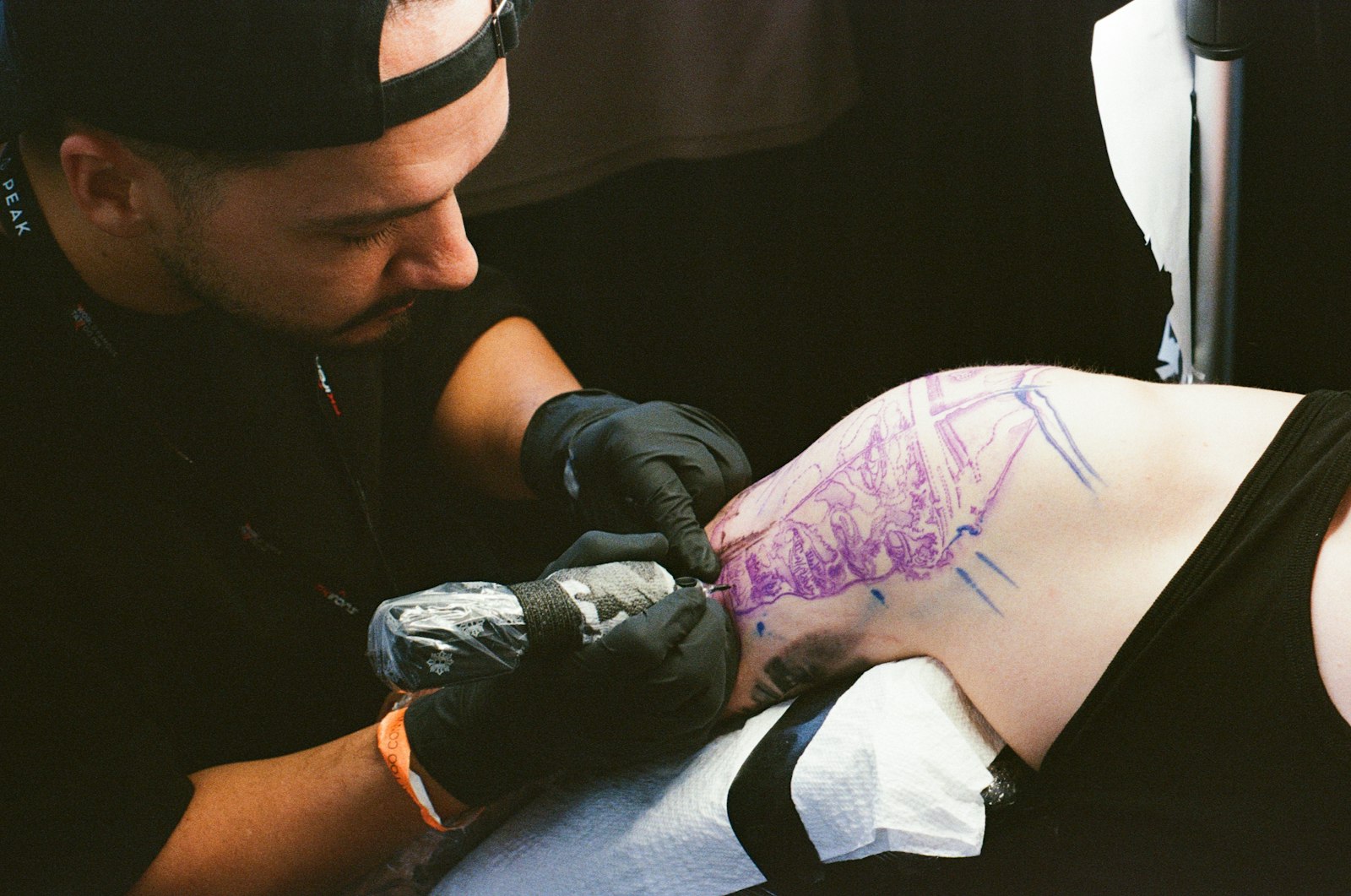
Mandala tattoos demand something most designs don't: absolute precision. Every line, every circle, every geometric layer has to sit exactly where it belongs, or the whole piece falls apart spiritually and visually. In Seattle, a mandala tattoo artist who grasps the technical execution and respects the sacred geometry behind the work will give you something worth wearing forever. Everything else is just ink.
Why Mandala Tattoos Require a Different Skill Set
Mandalas aren't just circles with decorative stuff inside. They're built on mathematical ratios and symmetry that don't forgive mistakes. Miss by two millimeters on one ring and the entire composition gets thrown off. The visual harmony collapses. The spiritual intention gets muddied. This is precisely why most tattoo artists, even really talented ones, shouldn't be tattooing mandalas. The artists at Cleopatra Ink who do this work treat each mandala like a meditation. They measure. They calculate. They execute with the kind of patience that actually transforms a concept into something sacred.
You also need an artist fluent in multiple styles. Some clients want delicate, hair-thin linework. Others need bold blackwork that dominates the skin. Some request color palettes rooted in traditional Indian or Tibetan aesthetics. A real mandala artist knows how to move between these approaches and can recommend what actually suits your skin tone, placement, and what you're trying to express.
5 Things to Check Before Booking Your Mandala Tattoo
- Portfolio consistency in geometric work: Don't just search for "mandala" examples—examine how the artist handles symmetry and line weight across multiple pieces. Zoom in. Are the concentric circles actually concentric? Do the repeating elements stay consistent or does the precision drift?
- Understanding of mandala symbolism: Ask what different patterns and elements actually mean. A real mandala artist can explain why a lotus matters differently than a geometric star, and how your personal intention should shape the design. This separates people who can draw mandalas from people who understand them.
- Stencil and measurement methodology: How do they lock in symmetry? Custom stencils? Digital templates? Hand-measuring with dividers? The process directly impacts the result. Push for specifics during your consultation.
- Experience with your chosen placement: A mandala on your forearm behaves completely differently than one on your chest or back. Curved body areas create optical distortion. Ask whether they've tackled mandalas in your specific location and how they account for the body's contours.
- Willingness to iterate on the design: The best mandala artists show you multiple design versions and actually listen to your feedback before committing. If an artist resists revisions or seems impatient during design development, walk away. Precision work like this deserves time.
How Cleopatra Ink Delivers Mandala Work You Can Trust
Downtown Seattle. At Cleopatra Ink, Vee specializes in fine-line and geometric work that handles mandala designs with technical precision. Every project starts with measurements, digital mockups, and a serious conversation about symbolism and placement strategy. The studio uses custom medical-grade stencils and hospital-standard sterile equipment, which matters enormously when you're doing work this intricate. Even tiny contamination in tight linework can wreck the healing process.
Accuracy doesn't stop after the needle. You'll get detailed aftercare guidance specific to mandala work, because the fine lines in mandalas need extra care during those first two weeks to stay crisp while your skin heals. Vee's portfolio spans the spiritual spectrum, from clients seeking traditional Vedic symbolism to those wanting purely geometric, secular designs.
What stands out in Cleopatra Ink's 4.9-star reviews is how clients feel genuinely heard during design work. One recent client spent almost two hours with Vee before the first needle touched skin, discussing what each element represented and why certain placements honored that meaning better. That kind of dialogue is standard for every mandala consultation here.
Mandala Tattoo Design Questions You Should Ask
What's the difference between a mandala and a geometric tattoo?
A geometric tattoo uses mathematical shapes but might not follow mandala structure or spiritual meaning. A mandala is circular, radially symmetrical, and rooted in meditation or spiritual tradition. You can blend them, but a true mandala centers on that radial balance and intentional meaning.
How long does a typical mandala tattoo session take?
Three to six hours for a single session, depending on size and detail. Larger, complex mandalas often need multiple appointments. Add another one to two hours for design consultation because precision demands serious planning. Any artist who rushes this timeline isn't the one you want.
Can I get a mandala on a curved body area like the shoulder?
Absolutely. You just need an artist who understands how curves warp the design visually. Some artists tweak the mandala slightly to compensate. Others position it deliberately to complement the curve. Talk this through with your artist before finalizing placement.
Will my mandala tattoo stay symmetrical as my skin ages?
Solid mandala work ages beautifully if the artist applied correct depth and consistent line weight. Work with an experienced artist and stick to solid aftercare. Fine, shallow linework deteriorates faster than properly layered geometric pieces.
Ready to bring your mandala to life with an artist who knows both the technical and spiritual sides of this work? Book a consultation with Vee at Cleopatra Ink. Check our gallery of geometric and fine-line pieces to see past mandalas, and read about what makes our team stand out in Seattle's tattoo scene.
More guides from Cleopatra Ink are on the Seattle blog.