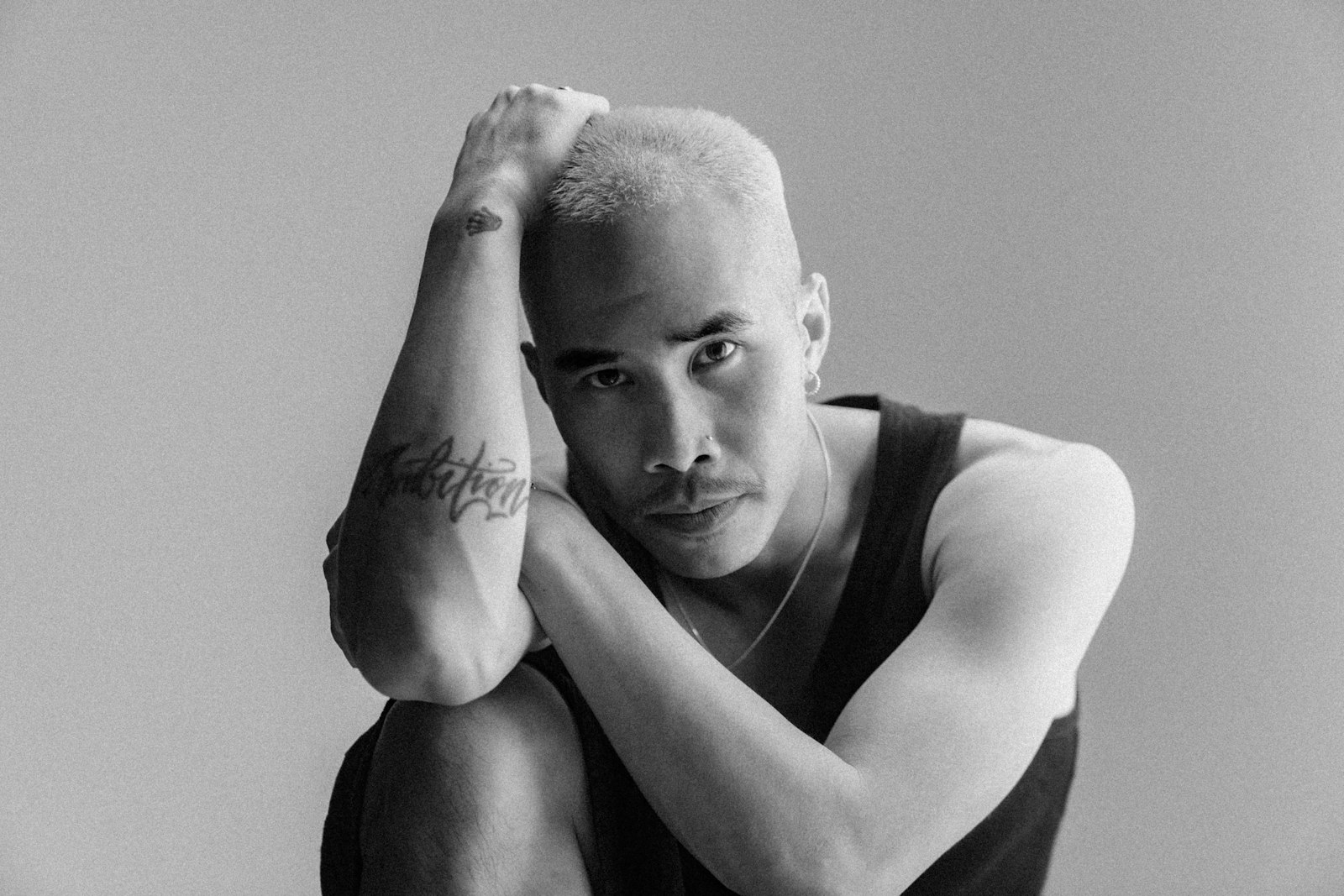
Japanese tattoo art sits at the intersection of ancient tradition and living craft. It's not just about picking a style—it's about working with someone who grasps both the technical precision and the cultural weight behind every line. At Cleopatra Ink, we've spent years building a reputation for doing exactly that. Our artists deliver authentic Japanese designs with the respect and skill they demand.
What Makes Japanese Tattoo Design Distinct From Western Styles
Japanese tattoo aesthetics developed over centuries with their own language of line, negative space, and symbolic meaning. Western traditions often lean hard into bold outlines and bright color saturation. Japanese work flows differently—it breathes, it balances, it tells stories across the body rather than sitting as isolated images.
The execution speaks immediately. A Japanese dragon doesn't rest flat on your skin. It moves. The scales vary intentionally. The eyes have weight and presence. This demands artists trained in Japanese design philosophy, not just people copying photos. You need someone who has actually studied these principles, not someone treating it as another style to knock out.
Kuya Ramon specializes in realism and blackwork, understanding how Japanese design philosophy meets fine line precision. If you're leaning toward something more minimalist, Vee brings that same intention to delicate Japanese-inspired work through botanical and fine line expertise. Both approaches honor the tradition while making something uniquely yours.
Five Things to Check Before Committing to a Japanese Tattoo Design
- Does your artist understand Japanese symbolism? A koi isn't just a fish; it represents perseverance and transformation. A cherry blossom isn't decoration; it symbolizes the transience of life. Your artist should discuss what your design means and why the composition serves that meaning. Ask about their research process. Real artists study source material, not just Pinterest boards.
- Has the artist worked with flowing, wraparound compositions? Japanese designs work best when they embrace the body's contours rather than fight against them. Before booking, ask to see portfolio work that shows understanding of how a design will move with your arm, chest, or leg. A dragon wrapped around your bicep needs completely different line planning than one on a flat canvas.
- Are they experienced with the specific technique you want? Fine line Japanese work is completely different from bold blackwork pieces. Delicate linework demands steady hands and years of precision. Bold traditional irezumi requires color theory and saturation control. Look at your artist's specific portfolio for work that matches your vision, not just generic "Japanese-style" pieces.
- Does the artist respect placement and proportion? Many Western artists underestimate scale when designing Japanese work. A composition that needs breathing room gets crammed into a small space. Conversely, delicate fine line work can vanish if placed somewhere with too much natural movement. Your artist should guide you toward placements that let the design breathe and hold up over time.
- Have they addressed the long-term vision? Many Japanese designs start as part of something larger. Your artist should ask: Is this a standalone piece or part of a sleeve plan? A back piece or a leg? Can this design grow if you want to add to it later? Thinking ahead prevents design conflicts down the road.
How Cleopatra Ink Approaches Japanese Tattoo Artistry and Sterilization
We treat Japanese tattoo work with the same precision that traditional artists in Tokyo or Kyoto bring to their craft. Hospital-grade sterilization runs through everything we do. Autoclave sterilization, individually packaged sterile needles, fresh ink for each client. When you're getting fine line Japanese work or bold blackwork, you need equipment that won't compromise delicate linework through contamination or ink migration.
Kuya Ramon has refined his approach to blackwork and realism over years, which forms the foundation for striking Japanese designs. He understands how line weight affects aging—thinner lines need different needle configurations than bold traditional work. Vee brings botanical precision to fine line Japanese pieces, treating each line like calligraphy. Seray handles piercings and ear curation with the same meticulous approach, if you're thinking about complementary work.
We completed a full back piece recently depicting a koi climbing a waterfall in bold blackwork style. Three sessions, each planned to ensure the composition flowed correctly across the spine and shoulder blades. The client was most impressed not just by the final result, but by how our artist had planned each session around healing, saturation consistency, and how the piece would interact with their body's natural movement. That's intentionality separating real Japanese tattoo work from imitation.
Japanese Tattoo Questions Our Seattle Clients Ask Most
How long does a Japanese tattoo typically take?
Scale and complexity determine the timeline. A medium fine line piece might take two sessions. A full back composition with bold traditional styling could need four to six sessions, spread over months to allow proper healing between work and maintain consistent saturation. Your artist should outline a realistic timeline during the design phase, not blindside you later.
Will a Japanese tattoo fade faster than other styles?
Not if it's done right. Fine line work requires artist expertise and good healing habits on your end—sunscreen, no swimming for two weeks, aftercare done exactly as instructed. Bold Japanese work actually ages beautifully; the saturation and composition hold strong over years. Our clients have pieces from five years back that still look fresh because they invested in quality work and cared for it properly.
Can I combine Japanese design elements with other styles?
Absolutely, but with intention. Some artists blend Japanese blackwork with botanical tattoo elements or integrate blackwork influences into larger compositions. The key is that your artist knows both traditions well enough to make them speak together rather than compete. Ask your artist for examples of fusion work if that's your direction.
How do I care for a Japanese tattoo after getting it?
Japanese work, especially fine line, needs meticulous aftercare. Keep it clean and dry for the first two weeks, use unscented lotion or ointment as directed, and avoid sun exposure entirely during healing. Once healed, use SPF 30+ sunscreen year-round, as UV exposure fades fine line work fastest. Japanese designs are investments; protect them like any valuable art.
Ready to start your Japanese tattoo in Seattle? Book a consultation with one of our artists and bring your design ideas, references, and questions. We'll map out a plan that honors the tradition while creating something authentically yours. You can also explore our full range of work—from traditional irezumi styles to modern Japanese-inspired pieces—in our gallery. Your story deserves an artist who understands depth, not just technique.
Ready to book your Japanese tattoo? Schedule a consultation with Cleopatra Ink Seattle today.
Browse our portfolio in the studio gallery for fresh examples, meet our artists to find a stylistic match, or explore the full range of tattoo and piercing services we offer at Cleopatra Ink Seattle.
Explore more guides from our team on the Cleopatra Ink Seattle blog.