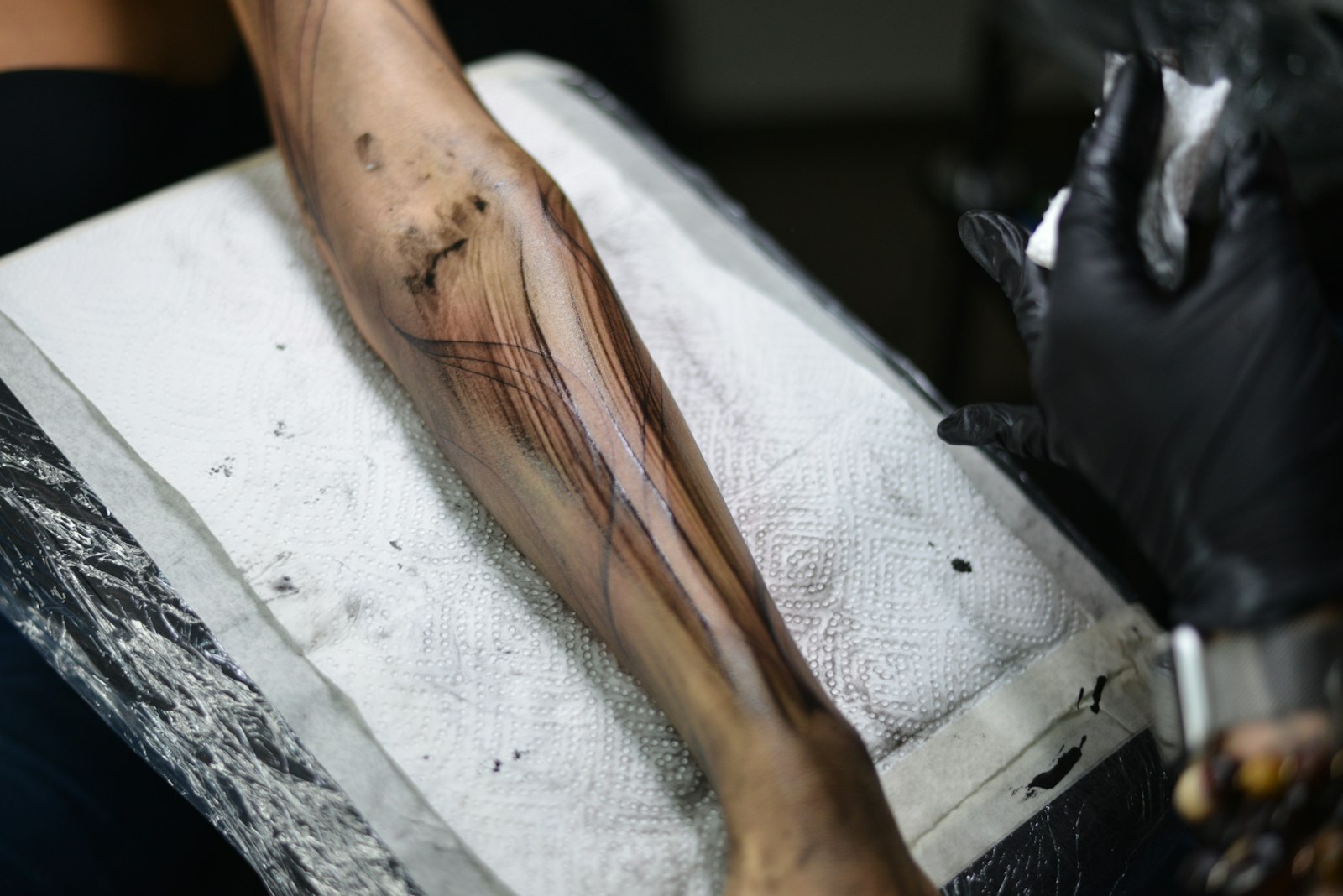
Irezumi tattoo work in Seattle means stepping into centuries of Japanese artistic tradition—stories told through water, mythological creatures, and patterns that flow across your entire body. You've probably seen a full sleeve with a dragon coiling down an arm, koi diving through waves, and symbolic imagery layered into every inch. At Cleopatra Ink downtown, Kuya Ramon has spent years learning irezumi's language: how to balance negative space, what each phoenix and dragon actually represents, and how to blend hand-poke and machine techniques in ways that honor tradition while delivering modern precision.
What Makes Irezumi Different from Western Tattoo Traditions
Irezumi isn't just a Japanese tattoo style—it's a completely different way of thinking about how images should live on your body. Western tattoos tend to stand alone: a skull, a portrait, some text. Irezumi builds across the entire canvas. One koi becomes part of a whole water ecosystem wrapping your forearm; a dragon connects to clouds, rain, and seasonal meaning. The composition actually respects your body's shape, with larger figures across shoulders and chest, and smaller secondary imagery flowing down the limbs.
The technical foundation is rooted in tradition. Classic irezumi used hand-poke methods (tebori) with natural pigments, creating a visual depth that modern machines can replicate when the artist knows what they're doing. The color range skews toward indigo-blacks, deep reds, golds, and greens—nothing neon. And here's what matters: irezumi carries real cultural weight. A dragon means power and transformation. Koi mean perseverance. Flowers mark seasons and emotions. A real irezumi master doesn't randomly place a tiger on your chest; there's always a reason behind the placement and symbolism.
Five Things to Verify Before Committing to an Irezumi Piece
Irezumi takes a different approach than getting a portrait or abstract piece. The timeline is longer, cultural meaning actually matters, and your artist needs legitimate experience with traditional Japanese composition.
- Artist expertise in Japanese cultural symbolism. Ask your artist directly: What does this design represent? Can they explain the narrative you're building? A real irezumi master knows why a specific creature belongs in a specific placement and what it communicates. This isn't learned from Instagram; it comes from years studying Japanese art history and working under mentors who understand the tradition.
- Portfolio depth in full compositions, not single designs. Scroll their gallery specifically for sleeves, chest pieces, and multi-limb work. Irezumi shines in how elements interact across large areas. A few beautiful koi don't prove they can architect a six-month full-sleeve project. Look for flow, balance, and how secondary imagery supports the primary figure.
- Experience with color saturation and longevity in irezumi-specific palettes. Deep indigo and traditional reds behave differently than bright Western colors. Ask: How do you manage pigment density over time? Do you adjust for skin tone? Has your work held its punch after three years? Irezumi pieces that fade unevenly become muddled; you need an artist who respects the color theory behind the tradition.
- Willingness to invest in the consultation and design phase. Irezumi isn't ordered like a flash sheet. A real artist will spend sessions talking through your story, sketching concepts, refining composition. If someone quotes you a price and schedules your first session in two weeks, they're not approaching this with the seriousness it deserves. Budget 2–4 weeks of back-and-forth before ink touches skin.
- Clear communication about session length, healing, and the full timeline. A quality irezumi sleeve takes 6–18 months depending on scope. Sessions typically run 4–6 hours and shouldn't be pushed beyond that. Ask your artist: How many sessions does this piece require? What's the spacing between them? What does aftercare look like for traditional pigments? You're not just booking appointments; you're entering a partnership with someone who'll shepherd your work to completion.
How Cleopatra Ink Approaches Irezumi with Mastery and Care
Kuya Ramon treats irezumi with genuine respect for the tradition and absolutely no shortcuts on execution. He spends weeks in consultation with clients, building the narrative together, sketching variations, making sure every element aligns with cultural meaning and your personal story. His portfolio shows what serious practice looks like: multi-limb compositions where negative space actually breathes, where secondary figures enhance rather than clutter, where color choices reflect authentic irezumi palettes.
On the technical side, Cleopatra Ink's setup and sterilization exceed what the industry requires. Every needle and tube is single-use and autoclaved. The studio runs hospital-grade disinfection, and Kuya follows strict protocols for irezumi-specific pigment handling to ensure consistency and safety with the deeper saturation traditional work demands. Your irezumi piece is beautiful, yes, but it's also created in an environment where safety and infection control are absolute.
One client came in wanting a shoulder-to-wrist koi sleeve with seasonal motifs mixed in. Over four months and five sessions, Kuya built a composition where the koi flows across the shoulder, diving toward the wrist, with cherry blossoms above and water beneath. The client said it felt collaborative—not being told what to get, but guided through choices, educated on symbolism, and watching the vision materialize across sessions. That's how irezumi should work: as a partnership, not a transaction.
If you're interested in other Japanese-rooted styles, Kuya also masters traditional Japanese tattoo techniques, and his blackwork precision (covered in depth on our blackwork tattoo guide) informs the crisp linework irezumi demands. His realism background also brings portrait elements into narrative pieces.
Irezumi Design Questions We Hear Often
How long does a full irezumi sleeve actually take?
A traditional full sleeve (shoulder to wrist, front and back) usually runs 6–12 months with sessions spaced monthly or every other month. More elaborate pieces with extensive secondary imagery can stretch to 18 months. Each session runs 4–6 hours. The timeline isn't arbitrary—it lets your skin heal properly, gives you time to live with the piece and adjust details, and avoids stressing your immune system. Rushing irezumi means compromising quality.
Will an irezumi piece work if I want to add Western tattoos later?
Yes, but thoughtfully. Irezumi and Western styles use completely different visual languages. Most artists recommend finishing your irezumi composition first, then treating any additional pieces as deliberate companions rather than gap-fillers. At Cleopatra Ink, we discuss integration during your consultation if you're building a mixed-style body plan.
What if I'm not Japanese—is it respectful to get an irezumi tattoo?
Short answer: yes, absolutely, as long as you approach it with education and intention. Irezumi has moved beyond strict cultural gatekeeping. What actually matters is respect—understanding the symbolism, working with an artist who respects the tradition, and avoiding caricature or offensive imagery. Think of it like learning to cook French food: skill, reverence, and authentic execution count more than your background.
How do I maintain the color and clarity of irezumi over years?
Irezumi holds up exceptionally well if properly healed and protected from sun. Use high-SPF sunscreen on exposed pieces year-round (Seattle's overcast helps, but UV still penetrates). Moisturize regularly during the healing phase. If a touch-up is needed after several years, a skilled artist can refresh fading sections. Most pieces remain vibrant for a decade or more with basic care.
Ready to begin your irezumi journey? Kuya Ramon is taking consultations now. Book a free design consultation at Cleopatra Ink, and let's start building the narrative your body deserves.
Browse our portfolio in the studio gallery for fresh examples, meet our artists to find a stylistic match, or explore the full range of tattoo and piercing services we offer at Cleopatra Ink Seattle.
Explore more guides from our team on the Cleopatra Ink Seattle blog.