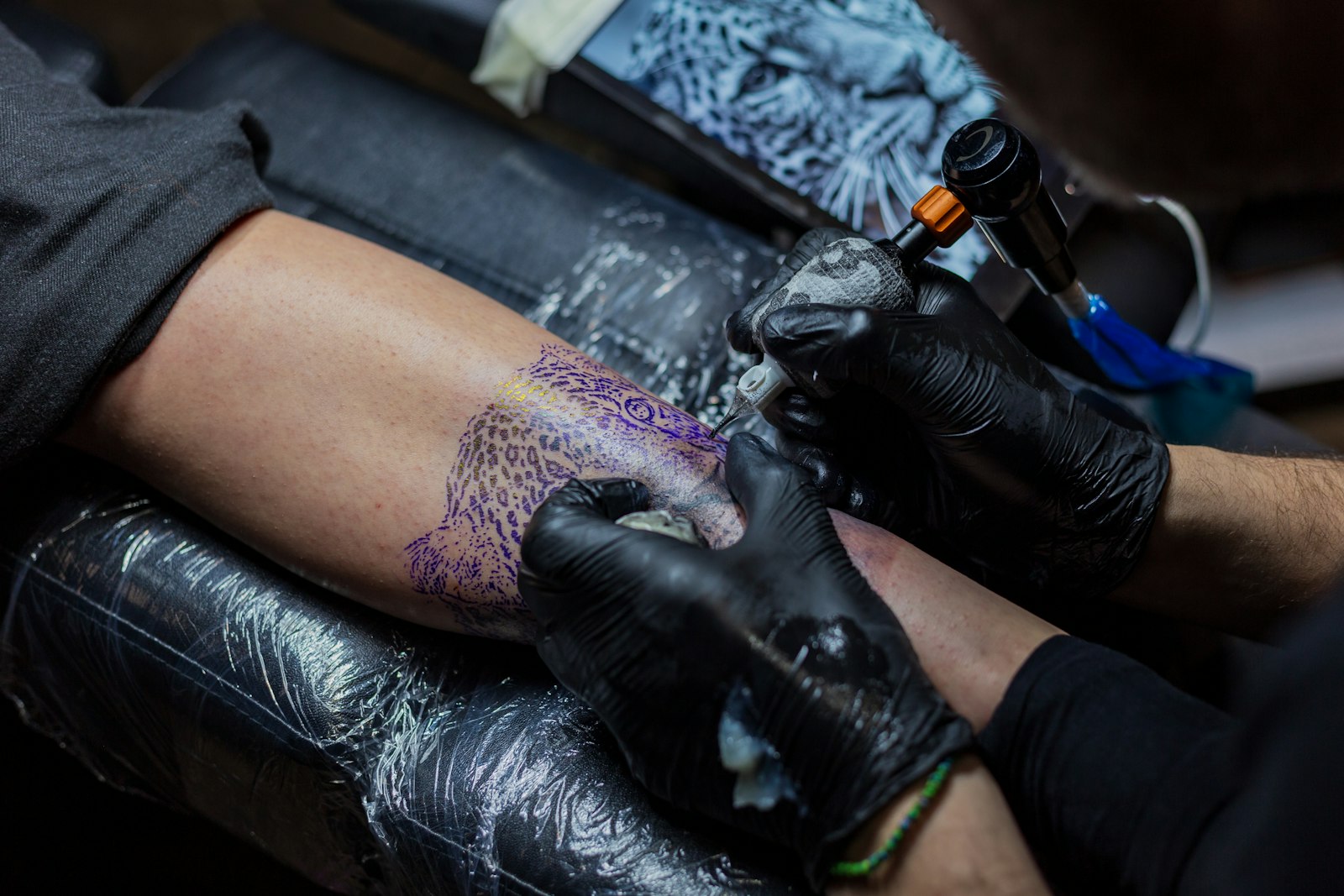
Every athlete I've worked with asks the same thing: how soon can I get back to lifting? Your fresh tattoo is a real commitment, sure, but your skin needs time to actually heal. Sweat, gym equipment, and bacteria create serious problems in those first two or three weeks. We see this balance play out constantly at Cleopatra Ink Seattle, and honestly, there's no single answer for everyone. The key is knowing exactly when and how to return to the gym safely, so you protect the work and keep your fitness momentum without compromise.
The First Week: Why Complete Rest Matters for Fresh Ink
Right after you get tattooed, your skin is legitimately an open wound for seven days, even if it doesn't look like one. The needle went through your dermis thousands of times, and your immune system is working overtime to seal that up. Your skin is actively weeping plasma and ink particles. Three real dangers show up immediately if you hit the gym: bacteria from shared equipment gets into a vulnerable wound, sweat pools directly over fresh ink and traps moisture, and your clothes or machines create friction that disrupts healing.
This first week calls for light activity only. Walk around the block, no problem. Swimming, hot tubs, saunas, heavy cardio, or anything with weights? Not happening. I know it sucks if you train every single day, but seven days is seven days, not months. Skip this step and you risk infection that doesn't just wreck how your tattoo looks—it can scar, fade the ink, and cause health issues you won't even notice until later.
Five Things to Check Before Returning to the Gym After a Tattoo
- Confirm your tattoo's healing stage—not just the calendar. A tattoo inked on Monday might appear fully healed by Friday, but collagen is still reorganizing underneath. Real healing takes three to four weeks minimum. If it still feels tender, warm, or is producing plasma or ink residue, you're not ready. Scabbing doesn't mean go; it means wait more.
- Assess your gym's sanitation standards—especially contact surfaces. Barbells, dumbbells, machines, and benches carry bacteria, fungi, and MRSA. Before you train around fresh ink, ask the staff directly about their equipment disinfection schedule. If they can't give you specifics, train at home or wait longer. It's that straightforward.
- Plan around sweating intensity—not just total time. Light cardio or stretching with minimal sweat beats heavy resistance training that soaks you. Your new tattoo needs to stay dry. A 30-minute walk at week two is smarter than a 20-minute spin class that floods your skin. Stick to low-sweat, low-friction movement initially.
- Choose loose, breathable clothing over tight workout gear—especially anything touching the tattooed area. Compression shirts, tight leggings, and athletic tape trap moisture and heat like a petri dish. Loose cotton or moisture-wicking fabrics that breathe are essential. Tattooed shoulder or chest? Oversized tee instead of a fitted tank.
- Have a post-workout cleansing routine ready before you go—not an afterthought once you're home. Bring antibacterial soap and a clean towel with you. Right when your workout finishes, wash the tattooed area gently with cold water, pat it dry, and apply a thin layer of fragrance-free ointment. Don't skip this because you're tired; bacteria multiply fastest when moisture sits on skin.
Cleopatra Ink's Perspective: How Healing Timeline Shapes Your Training Return
Vee, Kuya Ramon, and Seray—our artists here—all tell clients that healing timelines shift based on tattoo size, placement, and ink density. A small fine-line piece from Vee might be safe to train around by week three. A large color piece from Kuya Ramon could need four solid weeks of gentle activity before heavy lifting. That's not made up; it's about how much ink went in and how your specific immune system responds.
Our standard advice: build your gym routine back gradually. Week two is light only, walking and yoga and gentle stretching. Weeks three and four add low-intensity cardio like stationary bike or elliptical, but skip heavy sweating and direct rubbing. By week four, if there's no swelling, excess scabbing, or weird discoloration, resistance training with proper precautions becomes reasonable. I've had clients tell me that sitting out the gym entirely for two weeks, then easing back in over the next two weeks, gave them the cleanest heals and longest-lasting color.
One Seattle client with a large memorial piece from Kuya Ramon skipped the gym completely for three weeks before trying light cardio, then gradually built back to her CrossFit routine over another three weeks. No infection. Minimal scabbing. Colors stayed vibrant. That patience meant respecting her healing process and the work her artist put in.
Post-Gym Recovery: Timing and Aftercare Questions
Can I shower at the gym after my workout, or should I wait to shower at home?
Head home to shower if you can wait 30 minutes. Gym showers expose your damp tattooed skin to communal water, leftover soap, and fungal junk. If showering right away is your only option, grab a private stall, bring your own soap (unscented, fragrance-free), and clean the tattoo last using gentle water pressure. Dry it thoroughly and reapply ointment within minutes of leaving.
When can I go back to swimming, hot yoga, or hot tub sessions after my tattoo?
Hold off three to four weeks minimum for pools and hot tubs. Chlorine and heat compromise your healing barrier and fade fresh ink fast. Saltwater pools are slightly better than chlorinated ones, but submersion still risks bacterial problems. Hot yoga where you sweat and your skin touches a shared mat should also wait until week four. Our guide on safe showering with your new tattoo covers hygiene during that phase, and those same principles apply to pools.
Is cardio safer than weightlifting during tattoo healing?
Neither one is automatically safer—timing and how hard you push matters. Low-intensity cardio at week two (walking, easy cycling) beats heavy deadlifts. Heavy lifting at week four beats sprinting at week two. The real issue is how much you sweat and if you're putting stress on the tattooed spot. If lifting causes the tattoo to swell, feel hot, or visibly seep plasma, stop and wait another week. Your tattoo healing takes priority over your training schedule every time.
Can sweat cause my tattoo to fade or get infected?
Sweat itself won't fade your ink, but what sweat creates can. Bacterial growth, moisture trapping scabs, and salt buildup all harm healing. During weeks one and two, sweat sitting on your tattoo is a genuine infection risk because your skin barrier isn't sealed yet. After week three, light sweat is fine as long as you shower and clean the area within 30 minutes. Your post-workout hygiene habit matters way more than the sweat. Check out our ointment guide for tattoo healing to confirm you're using the right products during this stage.
Getting back to the gym means being smart, not being impatient. Give your ink three to four weeks, start with light movement, pick a clean gym, and establish a real post-workout routine immediately. Your fitness goals can wait; your tattoo's healing can't. Want to talk through your specific tattoo and training plan with one of us? Book a consultation at Cleopatra Ink Seattle and we'll give you real guidance for your exact piece and fitness goals.
Have aftercare questions? Message your artist on the artists page, check the location page for studio details, or see healed work in our gallery.
Read more guides from our team on the Cleopatra Ink Seattle blog.