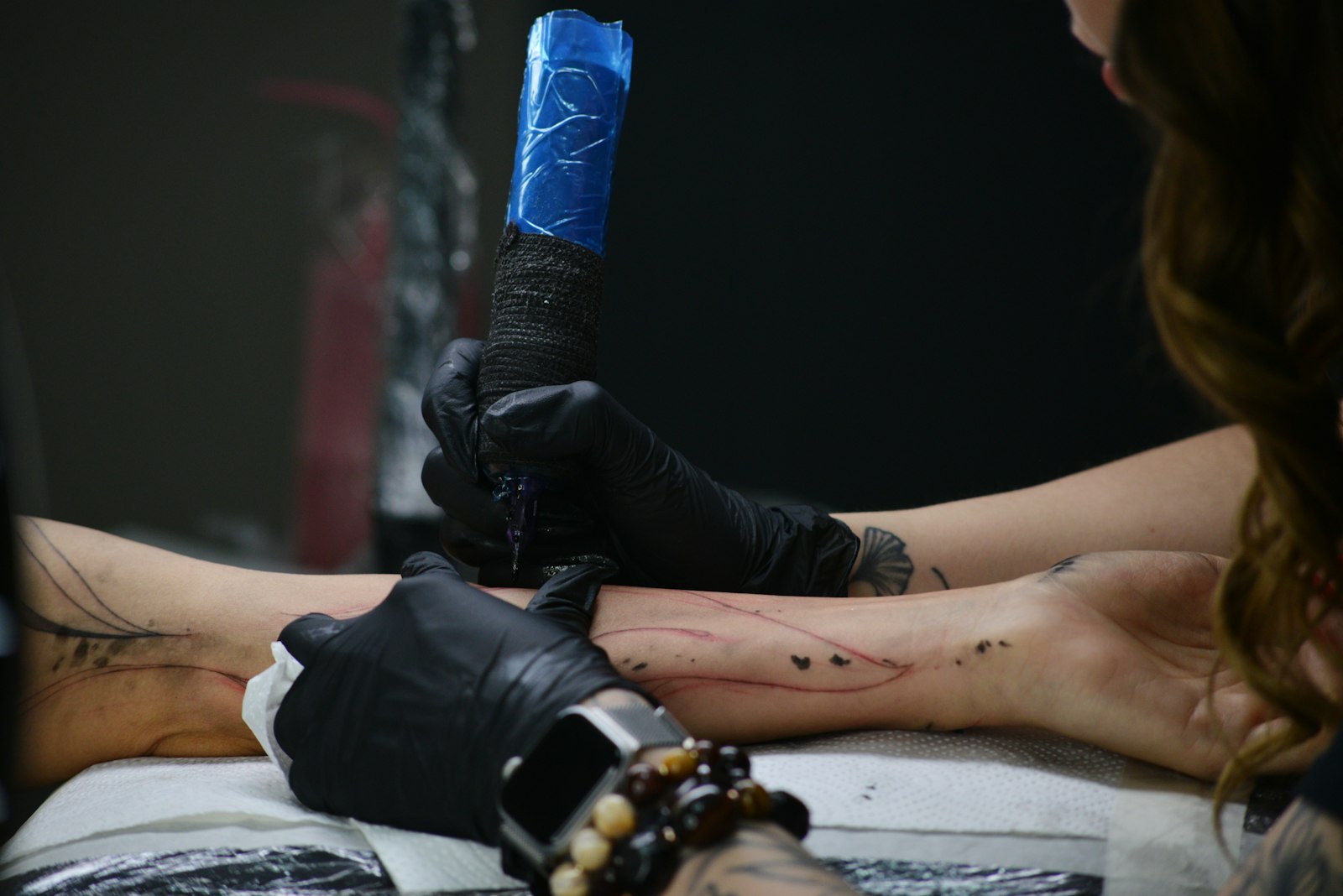
Your tattoo's future depends on what happens after you walk out our door. The ointment you use over the next two weeks matters just as much as the needle work itself. I've watched hundreds of clients heal their pieces, and the difference between a tattoo that looks crisp five years later and one that fades or scars comes down to one thing: using the right product at the right time. This guide breaks down which ointments actually work, why they work, and exactly how to use them as your skin heals.
What Makes an Ointment Work for Fresh Tattoo Healing
A solid tattoo ointment does three specific jobs. It keeps the area moist so scabs don't form too aggressively. It blocks bacteria and dirt from getting in. And it lets your skin breathe without trapping heat and infection. Most artists, including our crew at Cleopatra Ink, recommend petroleum-based or aquaphor-style products for the first few days because they seal in moisture without any harsh additives that irritate new ink.
Days one through five, your tattoo is basically an open wound. The ink is sitting in your dermis, and your body's actively working to integrate it. Ointment keeps the tattoo from drying out completely, which would cause way too much scabbing and color loss. Once you hit day five and light scabbing starts showing up, switch to a lighter lotion. You still need hydration, but you don't want that heavy seal anymore.
Five Things to Check Before Choosing Your Tattoo Ointment
Not every ointment works the same way. Some can actually mess up fresh ink. Before you grab anything from the drugstore, check these five things:
- Fragrance-free and dye-free formulation: Added colors and scents irritate tattooed skin, trigger inflammation, and cause extra redness. Go for products marked "unscented" and "colorless." Even lightly scented stuff can cause problems on a fresh tattoo.
- No petroleum byproducts that contain additives: Petroleum jelly is fine on its own, but a lot of brands mix in vitamin E oil, lanolin, or other extras that some skin types hate. Keep it simple. Pure petroleum jelly or aquaphor work without the extras.
- Confirmation it won't clog pores or trap bacteria: You need something that lets your skin breathe a little, not something that creates a sealed-off space where bacteria thrive. Look for non-comedogenic formulations or products labeled for wound care.
- pH-balanced and tattoo-tested: Some ointments are too alkaline and mess with your skin's natural acid balance, which slows healing. Tattoo-specific products like Hustle Butter are formulated with this in mind. If you're using a general product, check what tattooed people actually say about it.
- Expiration date and storage conditions: Old ointment doesn't work as well and can grow bacteria if stored wrong. Check the date on the container and never use something that's been sitting in a hot car or steamy bathroom for months. Open containers break down faster than sealed ones.
How Cleopatra Ink Clients Heal With Our Recommended Ointments
We tell people to start with Aquaphor or plain petroleum jelly for the first three to five days. Both are hospital-grade, non-irritating, and have worked for thousands of our clients. Our artists, including Kuya Ramon who does detailed realism and memorial pieces, and Vee who specializes in fine line and botanical work, always say that consistency matters more than brand names.
One of Kuya Ramon's clients got a large blackwork piece and stuck with Aquaphor for the first week, then switched to unscented Aveeno lotion. She healed with almost no scabbing and zero infection risk, even through a Seattle summer and with an active schedule. That's what happens when people follow a simple protocol: right ointment at the right time, thin layers (thick ones trap sweat and bacteria), and no picking or over-washing.
Our studio runs hospital-grade sterilization, and every client leaves with written aftercare instructions specific to their piece. But the ointment you pick is your first move to keep that quality after you leave. I've seen how the right product speeds up healing and keeps the color looking the way you wanted it to.
Ointment Transition: When and How to Switch Products
Most people mess this up. Staying on thick ointment too long traps moisture. Your skin gets wrinkly, the area gets gummy, and infections get more likely. Switching too early leaves your tattoo dry and vulnerable to picking.
Days 1–5: Aquaphor or petroleum jelly, applied thin (about dime-thickness per area), three to four times daily after gentle washing.
Days 5–14: Move to a fragrance-free, tattoo-safe lotion. Cetaphil, Aveeno Unscented, or tattoo-specific brands like After Inked all work during this stage. This is usually the heaviest scabbing period, so moisturizing lotion stops cracks and excessive flaking.
Week 3+: Keep using lotion if your skin feels dry, but most people stop needing it once the tattoo fully integrates. For detailed guidance on different tattoo healing, check out our guide on color tattoo healing to see how pigment-specific aftercare differs, and our resource on fine line tattoo healing explains why delicate pieces need slightly different ointment protocols.
Common Ointment and Healing Questions
Can I use regular body lotion instead of ointment?
Not for the first few days. Regular lotions are too light to seal and protect a fresh wound. After day five, unscented body lotions work fine. But that first week needs real ointment and its sealing power. If you're using second-skin tattoo wrap, you can skip heavy ointment entirely since the wrap handles the sealing part—that's a different approach altogether.
What if my ointment causes itching or redness?
Stop using it right away. Some people react to petroleum byproducts or additives, even in products that claim to be pure. Try a different fragrance-free lotion like plain Cetaphil, or ask your artist. Normal redness from the tattoo itself is expected. Redness that spreads beyond the design or causes intense itching means your product isn't working for your skin.
How much ointment should I apply each time?
Go thin and frequent, not thick and rare. A dime-sized amount spread across your entire tattoo is right. Thick globs trap sweat, trap bacteria, and stop your skin from breathing. You should see your tattoo through the ointment, not have it disappear under white cream.
Is it okay to use ointment past the first two weeks?
Yes, if your skin is still dry. Some people need light moisturizing lotion through week four, especially during dry Seattle winters. Most tattoos are completely healed by week three. If you're still dealing with heavy scabbing or weeping at week three, contact your artist. That can mean a healing complication that needs attention, not more ointment.
The ointment you pick is one of the few parts of healing that's entirely up to you. Choose right, apply it consistently, and watch your ink settle into your skin the way it's supposed to. Ready for your next piece? Book with Cleopatra Ink and we'll send you home with the exact aftercare plan for your design and skin type.
Have aftercare questions? Message your artist on the artists page, find the studio on the location page, or check healed work in our gallery.
More guides from our team are on the Cleopatra Ink Seattle blog.