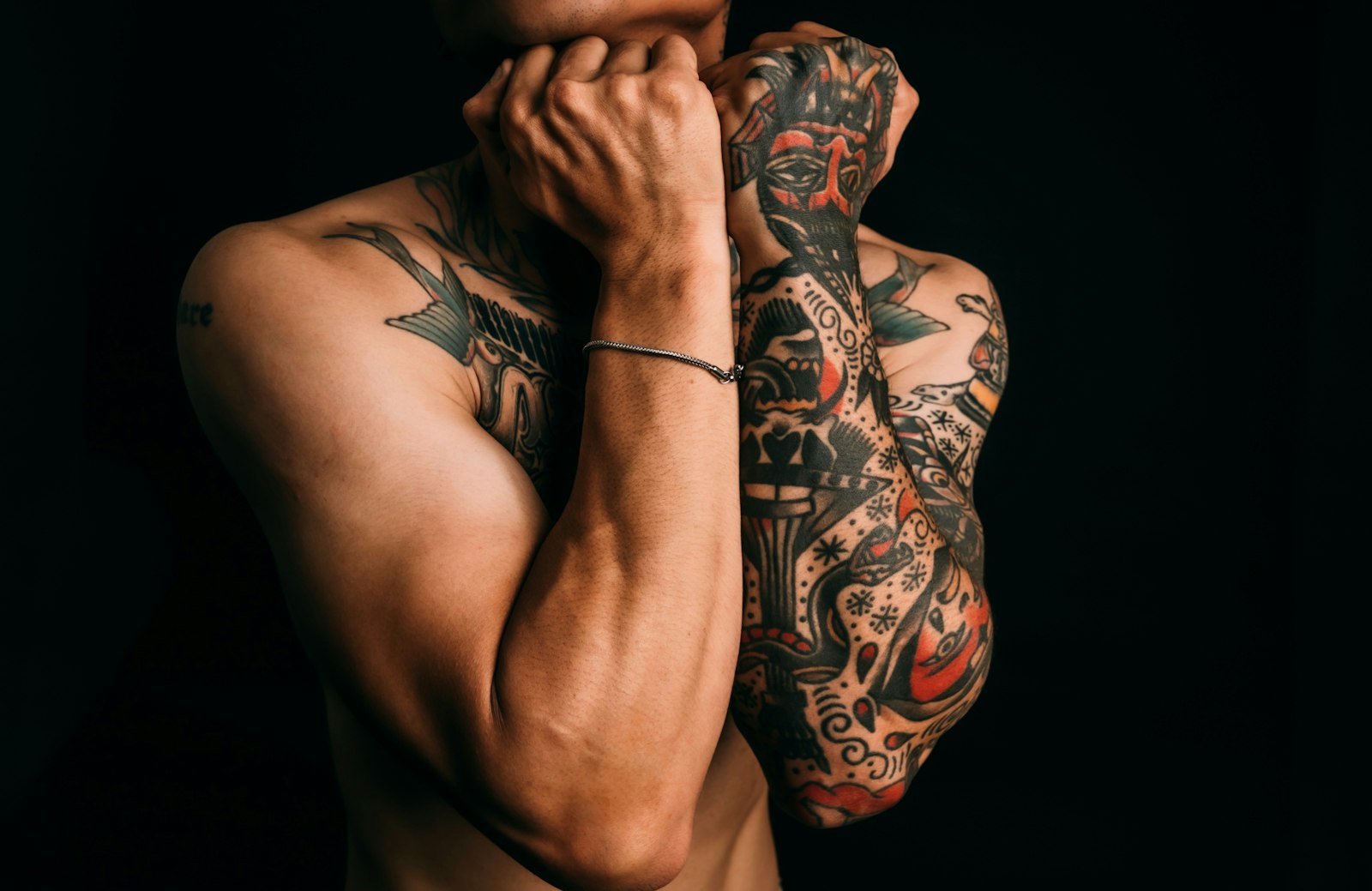
Tribal tattoos have stayed relevant for a reason. The bold geometric patterns, cultural weight, and timeless look pull people in, and a tribal tattoo Seattle artist worth their salt can create something that feels both personal and rooted in real tradition. These designs have history stretching back centuries across Polynesia, Africa, Southeast Asia, and indigenous communities everywhere. What makes tribal work stick around isn't just aesthetics—it's about choosing a design approach that means something instead of just looking cool for a season.
What Modern Tribal Tattoos Actually Represent
Tribal tattoo culture today is nothing like it was decades ago. Contemporary pieces borrow from traditional patterns while respecting where they come from and what they mean. Real tribal work communicates through symmetry, negative space, and strong lines. The geometric structure means these tattoos stay sharp on your skin for years, holding their edge and punch without degrading. People gravitate toward tribal because it photographs clean, works on almost any body part, and makes an impact without being loud about it. A solid tribal piece on your forearm, chest, or shoulder reads as intentional and considered—something you actually thought through instead of picking off a wall.
Five Things to Check Before Getting a Tribal Tattoo Seattle Artist
Picking an artist for tribal work takes more than liking their Instagram feed. Tribal designs require technical skill, a grasp of symmetry and flow, and honest respect for cultural origins. Here's what matters:
- Portfolio depth in geometric and blackwork styles. Look at the artist's full portfolio and check for consistent line weight, balanced symmetry, and solid handling of negative space. Tribal work shows every mistake. Spend time looking through 15-20 finished pieces to see how they manage both straightforward and intricate patterns.
- Experience with your specific body placement. Tribal designs shift based on if you're placing it on a forearm, calf, back, or chest. Ask if the artist has worked that area before. Good artists adjust the design to fit your body's natural lines, not just blow up a standard template to fit your skin.
- Understanding of cultural context and appropriateness. If your design comes from a specific cultural tradition—Samoan, Maori, Hawaiian, or something else—your artist should actually know that tradition and can talk about interpreting it respectfully. If they brush past this conversation, they're not thinking about what they're actually doing.
- Willingness to customize rather than copy. The strongest tribal pieces are original takes, not reproductions of work someone else got. An artist who listens, sketches different directions, and explains their thinking is someone worth the wait. Flash tribal work off a sheet usually doesn't age like custom pieces do.
- Clarity on touch-up policies and longevity. Get specifics on how they handle touch-ups two or three years down the line. Blackwork and solid fills fade differently than other styles. A solid artist will explain their ink saturation approach and whether you can expect any softening of the edges as time passes.
How Cleopatra Ink Approaches Tribal Design
At Cleopatra Ink Downtown Seattle, tribal work is about precision and real intention. Kuya Ramon handles blackwork and geometry-focused pieces, which makes him the natural fit for complex tribal patterns. His background in realism and portraiture shows in how he works negative space and symmetry to make tribal designs stand out beyond basic geometric fills. We sit down for a real conversation on every tribal piece—talking through cultural meaning, your vision, and how the design fits your frame. We don't rush this. The geometric accuracy required means multiple sketches, testing placement on your actual body, and getting the balance perfect before we start.
Cleopatra Ink runs hospital-grade sterilization across all tribal work, which matters even more with solid blackwork and heavy fills that need consistent needle depth and several passes. Everything gets autoclaved, we use fresh needles from sealed sterile packs, and we keep infection control standards you'd find in a medical setting. Had a client walk in wanting a big Polynesian-inspired chest piece. After three sit-downs, we developed a custom design mixing personal symbolism with traditional patterns. Two sessions later, it read both genuinely rooted and unmistakably his. That's our baseline for tribal projects.
Tribal Tattoo Style Questions
Does tribal work hurt more than other tattoo styles?
Pain during tribal work depends more on where you get it and how dense the fill is than the style itself. Solid blackwork and thick fills take multiple passes, which can be rough on sensitive spots like ribs or the inside of your biceps. But tribal's bold lines and geometric shapes often track along your muscle structure, which some people find more bearable than detailed fine-line work. Really, prepping yourself for longer sessions (tribal usually runs 2-4 hours per sitting) matters more than overthinking the style itself.
How long does a tribal tattoo take?
A basic tribal band on your arm takes about 1-2 hours. A medium chest or back design usually needs 3-6 hours across one or two sessions. Larger work like a full sleeve or detailed back piece can run 10-20+ hours split across multiple appointments. Timing depends on the size, how much fill you're getting, and how intricate the details are. We space sessions six to eight weeks apart so your skin fully heals between rounds, especially crucial with blackwork that needs saturation.
Will my tribal tattoo fade over time?
Solid tribal work, done right, holds its own. Blackwork and geometric fills don't soften as fast as thin lines because the ink sits deeper and more evenly. You might notice some edge softening after five to seven years, which is why we talk touch-up timelines upfront. Good aftercare (keeping sun off it, keeping your skin moisturized) combined with an artist who understands ink saturation makes a real difference in how long it lasts.
Can I modify a tribal tattoo design I found online?
Yes, and do it. Bringing reference images helps, but custom work always beats copying someone else's piece. Tribal designs adapt to your body, what it means to you, and your style when you customize them. A good artist takes your references, figures out what speaks to you, and builds something original that's actually yours. That takes more time upfront, but you end up with a tattoo you'll stand behind forever.
Ready to get a tribal tattoo that's real, technically clean, and built just for you? Cleopatra Ink Downtown Seattle is the spot for that. Book a consultation with Kuya Ramon or our team to start working on your tribal piece. Check out how our artists handle blackwork and bold geometric styles and see what we do with fine-line custom work to understand your options.
Browse completed work in the studio gallery, meet our artists to find your match, or check out the full range of tattoo and piercing services at Cleopatra Ink Seattle.
More resources are available on the Cleopatra Ink Seattle blog.