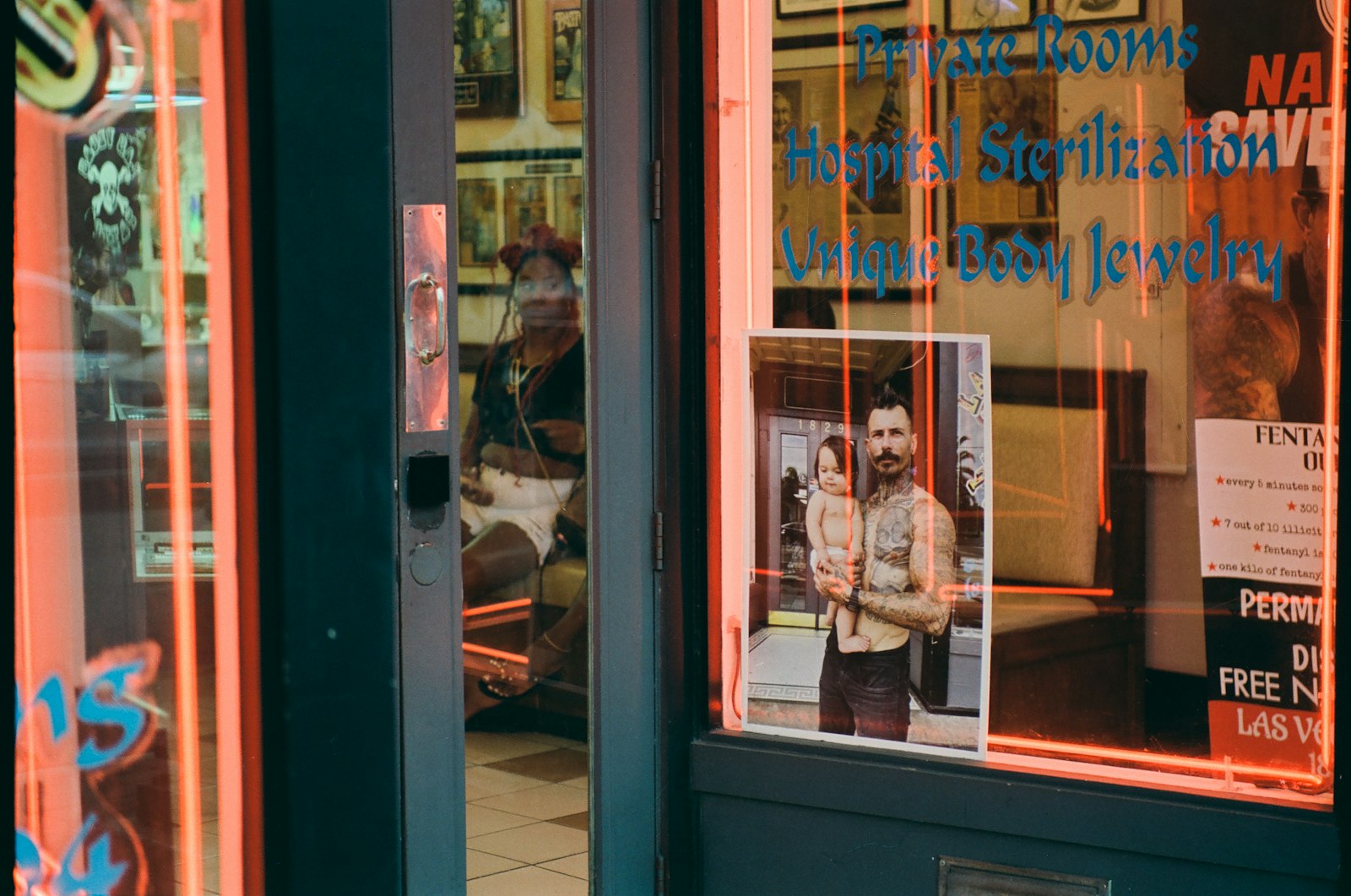
Traditional tattoos have made a serious comeback in Seattle, and it's not hard to see why. Bold outlines, saturated color, iconic imagery—this stuff doesn't age. Trends come and go, but a well-executed traditional piece looks sharp twenty years later. You want an artist who actually understands the lineage, not someone who just claims to do it because it's simple. That's a different thing entirely.
What Makes Traditional Tattoo Work Different from Modern Styles
Old school (traditional) tattooing grew out of American sailor culture and early 20th-century parlors. You know it instantly: thick outlines, restrained color palette (red, yellow, blue, green, black), slightly stylized imagery, maximum readability. A traditional rose isn't trying to be photorealistic. It's bold enough that someone across the room can see it and understand what it is.
This simplicity is actually deceptive. Traditional work demands serious skill—line weight consistency, controlled pressure, real knowledge of how colors behave on skin. You can't hide behind hyper-detail or gradient work. Every single element has to justify its existence. Seattle artists who do this well have put in years learning where to push and where to hold back.
Five Markers of Skill in a Traditional Tattoo Artist
Plenty of people say they do traditional work. They don't always mean it. Before you book with a traditional artist in Seattle, look for these five specific things:
- Consistent line weight throughout the piece. Traditional designs live and die by line quality. Good artists maintain even pressure on long lines, curves, and corners. Check portfolio photos and look for lines that stay thick from beginning to end—no fading, no wavering, no weird thickness changes. That consistency is everything.
- Color saturation that holds over time. Traditional work uses fewer colors, so each one has to be placed right. Look at healed photos in portfolios, not just fresh shots. Does the red still look like red six months later? Does the yellow stay bright? An experienced traditional artist knows pigment behavior and how to pack color so it lasts.
- Portfolio diversity within the traditional format. The best artists aren't just copying flash or tracing the same designs over and over. Look for range—nautical work, roses, panthers, snakes, skulls, pin-ups, lettering. All done in their own hand and style, not templates.
- Understanding of negative space and composition. Traditional designs work because they're balanced. A solid artist thinks about how a piece sits on your body, how it reads when you move, whether it feels placed with intention. During consultation, ask how they approach sizing and placement. That conversation matters.
- Honesty about what traditional can and cannot do. Real traditional artists won't promise to mix photorealism with classic American style or cram hyper-detail into traditional work. They know the boundaries and operate confidently within them. If an artist seems wishy-washy or oversells flexibility, move on.
Cleopatra Ink: Traditional Expertise with Hospital-Grade Standards
Kuya Ramon is one of our core artists and specializes in realism and blackwork—work that demands the same line precision and control you need for traditional pieces. His approach to bold, impactful design translates directly to traditional projects. Memorial pieces, portraits, intricate studies—all of it requires the same steady hand and intentional decision-making that traditional artists build their practice around.
Vee works in minimalist and fine-line styles, and while her aesthetic runs contemporary, her foundation in clean line work and botanical precision mirrors the discipline at the heart of traditional tattooing. Both artists operate in our Egyptian-themed space with dark and gold finishes that take the craft seriously—this isn't a casual place. It shows in how the room is designed and how the work is handled.
We operate under hospital-grade sterilization. Every needle is single-use and sealed. Equipment gets autoclaved. We follow Seattle health department standards completely. One client who came in for a traditional-inspired piece mentioned that the consultation felt thorough and respectful. The artist asked about placement, sizing, and long-term vision before any ink touched skin. That kind of deliberation is what serious traditional work looks like.
If traditional work appeals to you but you're curious about blending in modern elements, check out neo-traditional tattoo artists in Seattle who combine classic boldness with contemporary detail. Or if you're new to tattoos entirely, read our guide on beginner-friendly tattoo artists in Seattle for tips on approaching your first piece.
Traditional Tattoo Questions Seattle Clients Ask
How long does a traditional tattoo session typically last?
A small traditional piece runs maybe 45 minutes to an hour. Bigger designs—a full back piece, complicated nautical work—could take 3-5 hours or require multiple sessions depending on detail level and how your skin responds. Traditional work doesn't get rushed. Your artist will map out realistic timelines during the consultation so there are no surprises.
Will a traditional tattoo hurt more than other styles?
Pain during the session is roughly the same across styles. The difference shows up in healing. Traditional work with bold, saturated color and heavy lines sometimes takes slightly longer to fully settle because more pigment gets placed. Aftercare is what really matters—keep it clean, moisturized, out of the sun. That applies to any style.
Can I mix traditional and other styles in one piece?
You can, but usually less is more. Pure traditional work stands best on its own. That's the whole appeal. Some artists do pull off blended pieces though—classic rose with watercolor backgrounds, traditional imagery with geometric accents. Before committing to a hybrid design, ask your artist for portfolio examples of work they've already done that way. Our roster at Cleopatra Ink gives you plenty of options to explore during your consultation.
How much should I expect to invest in quality traditional work?
Price varies. Don't assume cheaper means better value or that expensive always means quality, but don't confuse the two either. A small, straightforward traditional design might start around $150-250. Larger or more complex pieces cost more—that reflects the artist's experience, the time required, and studio costs like sterilization and professional space. We price fairly while keeping standards high. No discounts that compromise sterility or technique.
Ready to work with an artist who knows both the history and the craft? Book a consultation with Cleopatra Ink. Kuya Ramon and the team are ready to talk through your ideas and create something that respects the traditional lineage while fitting your body and your story.
Check out all our artists on the artists page, browse recent work in the gallery, and see which services each artist focuses on.
Read more from our team on the Cleopatra Ink Seattle blog.