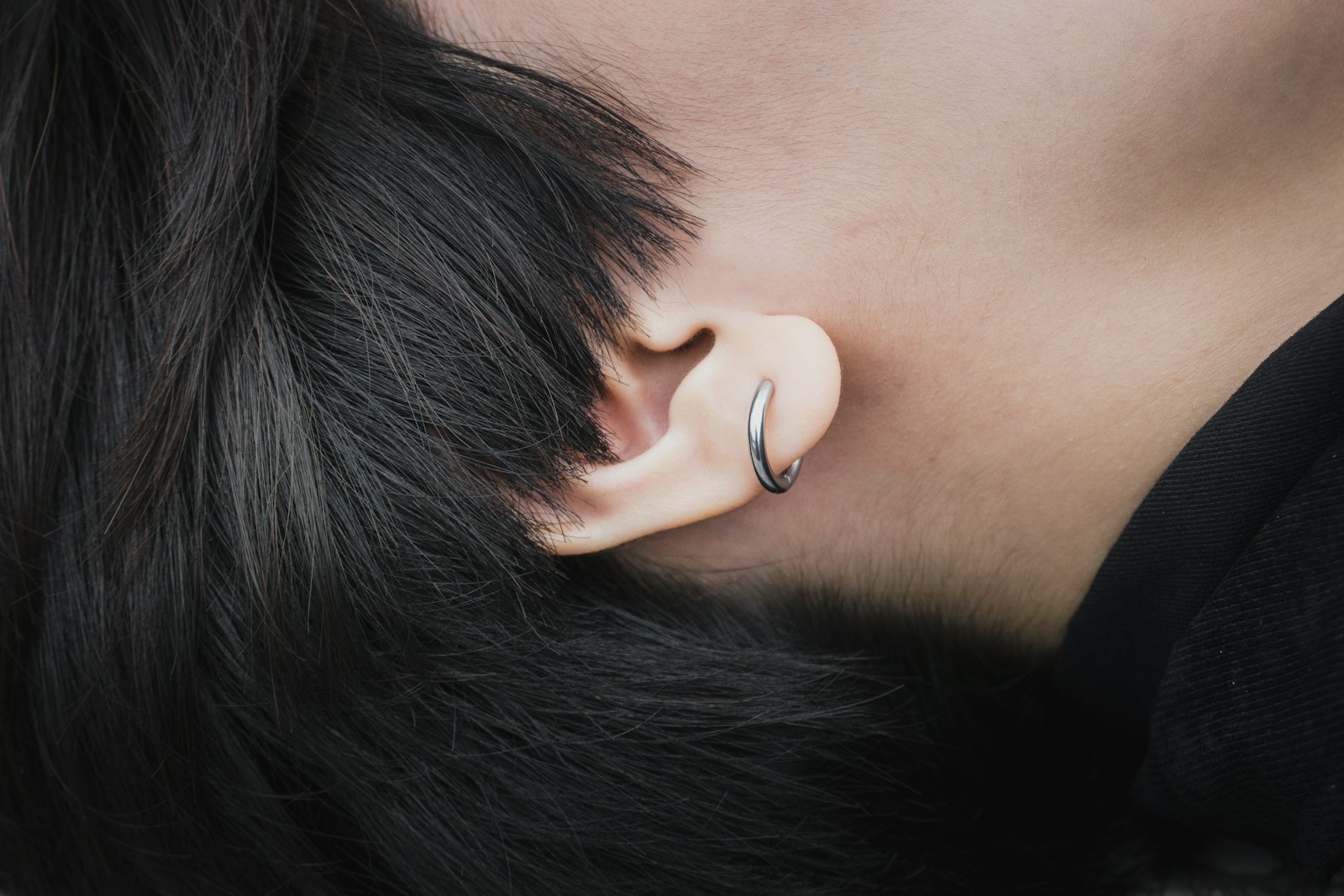
The third eye piercing sits on the bridge of your nose, right between the eyebrows, and it's become one of the most eye-catching facial piercings we see in Seattle. It doesn't fade into the background like some placements can—it's front and center, impossible to ignore, and deeply personal to how you want to present yourself. Some people connect with its spiritual roots, others are drawn purely to the bold look. Either way, a third eye piercing Seattle placement demands real knowledge about anatomy, jewelry weight, and proper aftercare. We've watched demand for this piercing grow at Cleopatra Ink, and we know exactly what separates a piercing that thrives from one that causes headaches down the road.
Why the Third Eye Sits in a Delicate Anatomical Zone
The bridge of your nose is thinner and more vascular than most people realize. Skin stretches tight over bone with minimal soft tissue underneath. That matters a lot. Excess pressure, heavy jewelry, or a wrong angle can trigger migration or rejection pretty quickly. The piercing typically runs straight through horizontally, with jewelry sitting flush against the skin. Some people ask about a vertical setup, though that's uncommon and comes with different healing challenges.
The bridge also lacks the depth of something like a bridge piercing placed lower on the nose itself, so there's no real tunnel for the jewelry to settle into. This is why Seray, one of our piercers at Cleopatra Ink, always insists anatomy gets assessed first. Not every bridge structure is suited for this placement, and a good professional will tell you straight up rather than just go ahead anyway.
Blood flow to the area is strong, which speeds healing but also means even minor irritation can bleed noticeably. That's normal, but it helps to understand the physiology so you know what to expect during healing and when something actually needs attention.
Five Things to Check Before Getting Your Third Eye Piercing
- Bridge width and skin thickness. Look in a mirror and measure the space between your eyebrows. A third eye needs real estate—roughly 8–10mm minimum—to give the jewelry room without crowding delicate facial nerves and blood vessels. If your bridge is narrow or the skin feels thin, ask your piercer straight whether this placement will hold up long-term.
- Your piercer's experience with facial surface piercings. Third eye isn't beginner territory. It takes precision angling and solid knowledge of how bridge skin behaves while healing. Ask your piercer how many third eyes they've placed, whether they've dealt with rejections, and what their success rate actually is. Seray at Cleopatra Ink specializes in facial piercings and ear curation, with a solid track record of successful placements and honest client conversations.
- Jewelry material and weight. Titanium is non-negotiable for your initial piece. Surgical steel often contains nickel and corrodes in the moist bridge environment, despite what you might hear. Your jewelry needs to be lightweight—heavy barbells or ornate pieces stress the piercing site and invite migration. Start with a threadless titanium piece, typically 14g or 16g, and hold off upgrading to heavier decorative stuff until your piercing is fully mature (8–12 months minimum).
- Your daily routine and contact risk. Third eye sits directly in line with your glasses, hat brims, sunglasses, and your own hands. If you wear glasses daily, expect occasional rubbing. If you work in a dusty or high-touch environment, healing takes longer. Be honest about your lifestyle before you commit to this placement.
- Realistic healing expectations and your pain tolerance. The bridge of the nose has dense nerve endings—third eye piercings hurt noticeably during the procedure itself, more than a lot of other piercings. Healing takes 8–12 weeks before things feel stable, and full maturation takes even longer. If you're sensitive to discomfort or prone to keloid formation, talk it through with your piercer before moving forward.
Why Cleopatra Ink's Approach to Third Eye Placement Builds Confidence
At Cleopatra Ink in Downtown Seattle, we handle third eye piercings with the same clinical precision we bring to every placement. Seray runs a full anatomy consultation before anything gets scheduled, examining bridge width, skin texture, and blood flow patterns. We use hospital-grade sterilization for all instruments—autoclave-processed needles and tools that meet medical standards. Safety doesn't happen on its own; it comes from solid process and real standards.
We only stock implant-grade titanium jewelry for initial piercings, sourced from reputable manufacturers. No mixed metals, no mystery alloys. When you're healing a third eye, that jewelry stays in constant contact with a highly vascular area; contamination or allergic reactions aren't just annoying—they tank healing and force removal.
One client not long ago told us she'd spent months researching third eye piercings because she was terrified of rejection. After Seray placed hers here, she mentioned that the difference between a confident, knowledgeable piercer and someone unsure showed up right away in how precise the marking and angle were. Two months later, her piercing was stable, no migration, no irritation. That's what comes from experience and actually caring about the details.
Questions About Third Eye Piercing Care and Longevity
How do I clean my third eye piercing, and how often?
Saline rinse twice daily—morning and night—is standard. Use a sterile saline solution (0.9% sodium chloride, like contact lens solution or piercing aftercare spray). Soak a clean, non-lint cotton pad with saline and hold it gently over the piercing for 5–10 minutes, letting the solution flush away debris. Skip hydrogen peroxide, alcohol, and antibacterial soap entirely; they damage healing tissue. If you get minor crusting, soften it with saline first, then let it flake off naturally.
What if my third eye piercing feels itchy or looks slightly red?
Mild redness and some itching are normal in the first 4–6 weeks. If you see spreading redness, warmth around the site, or pus, reach out to your piercer or dermatologist right away. Third eye is on your face, inches from your eyes—infection risk is real. We provide aftercare guidance at Cleopatra Ink and a way to check in if something feels off. Don't overthink it; just ask.
Can I change my jewelry before the piercing is fully healed?
Not until it's ready. Third eye typically takes 8–12 weeks to reach initial stability and 12+ months to fully mature. Changing jewelry during that window risks irritation, migration, or the piercing closing up. Wait at least three months before attempting a change, and ideally have your piercer do it. Once it's mature, you can play with different styles—but start with lightweight, hypoallergenic materials.
Is third eye piercing more likely to reject than other facial piercings?
Third eye does have a higher rejection rate than something like a bridge piercing placed lower on the nose, mostly because of the delicate skin, shallow anatomy, and constant micro-trauma from glasses, hats, and daily friction. But rejection isn't inevitable. Proper placement, solid jewelry, and consistent aftercare improve success rates significantly. If rejection worries you, talk through placement alternatives with your piercer—some clients go lower on the bridge or explore other facial options like anti-eyebrow piercing, which might suit their anatomy better.
Ready to get a third eye piercing in Seattle? Cleopatra Ink is here to walk you through every step. Book a consultation with Seray to talk about your anatomy, healing expectations, and jewelry choices. Schedule your appointment today and let's make sure your third eye placement is as striking and stable as you want it to be.
Check out more from our team on the Cleopatra Ink Seattle blog.