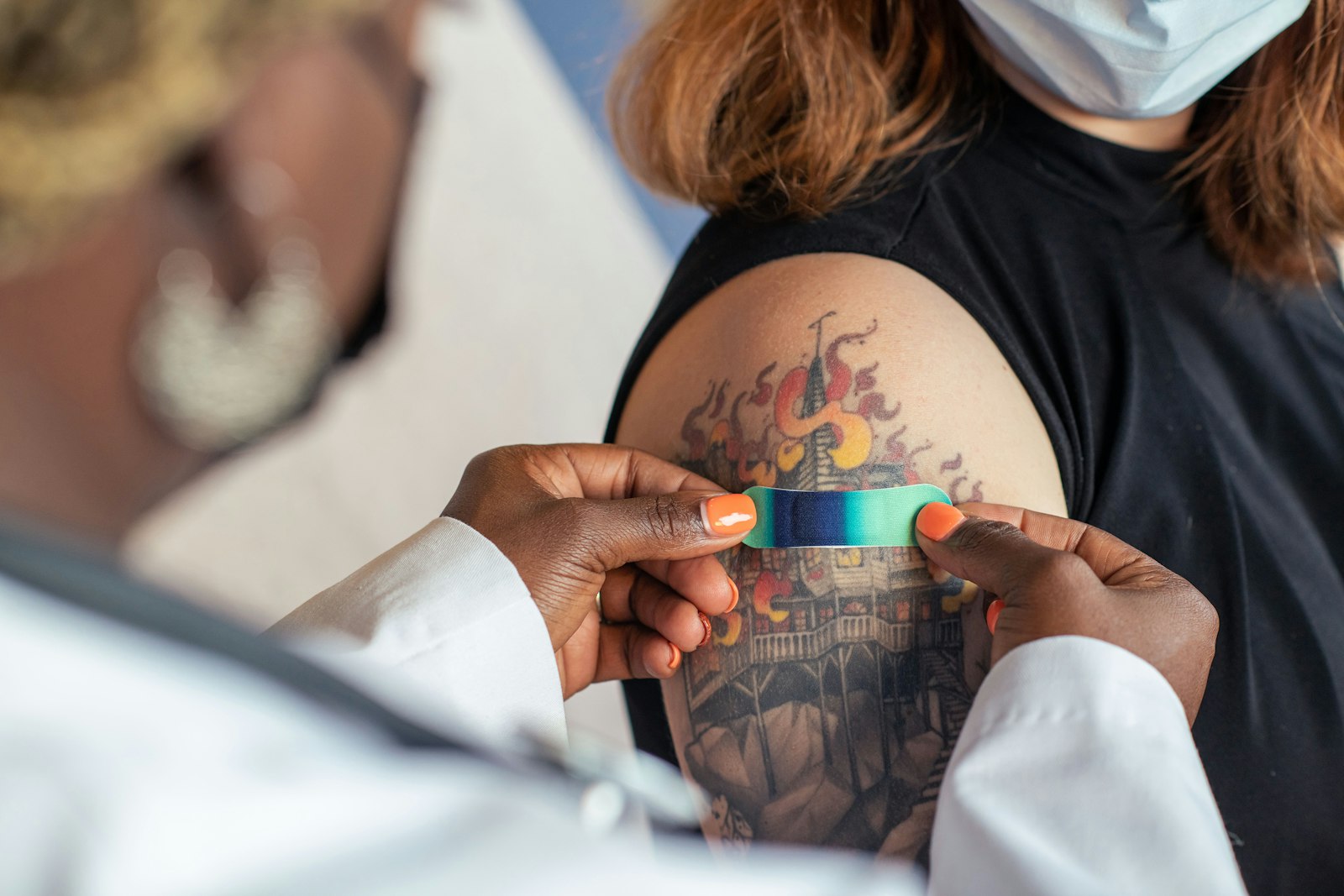
Your piercing blew up overnight, or maybe the swelling crept in over a day or two. Either way, you're staring at it in the mirror wondering if this is normal or if something's gone wrong. Here's the thing: swelling is your body doing exactly what it's supposed to do. It's an inflammatory response to a fresh wound, and most of the time it clears up on its own with decent aftercare. The tricky part is telling the difference between healing swelling and actual trouble. Let me walk you through what to do right now.
Why Your Piercing Swells and What's Actually Happening
Fresh piercings trigger your body's natural healing response. Blood vessels open up to send immune cells and nutrients to the wound, and that surge of fluid creates puffiness around the jewelry. This peaks in the first couple of days and is completely expected. You'll typically see the most swelling around day two or three, then it gradually goes down over the next week or so, though that timeline depends on where the piercing is and how your individual body responds.
Location matters a ton. Tongue, lip, and cheek piercings swell harder because your mouth has tons of blood flow and never stops moving. Ear piercings usually swell less dramatically. Genital piercings can balloon up pretty significantly, but they also tend to go down faster than you'd think. Knowing this stuff keeps you from panicking when you catch your reflection.
Five Things to Check Before Assuming Your Piercing Needs Emergency Care
- How old is the piercing? If it's less than 72 hours old, mild to moderate swelling is expected. If the swelling appeared suddenly after weeks of healing without issues, that's worth investigating further.
- Is the jewelry the right size? Undersized jewelry (especially bars or hoops) can dig into swollen tissue and trap fluid. If your piercer installed jewelry that's too small for the inevitable swelling, the metal itself may be contributing to inflammation. Properly fitted jewelry should have enough room for swelling without being loose enough to move.
- Are you sleeping on it? Sleeping directly on a fresh piercing compresses the tissue and restricts blood flow, making swelling worse. If you're waking up with increased puffiness, sleeping position is likely the culprit. This is one of the easiest variables to control immediately.
- Have you been over-cleaning? Using too much saline solution, or worse, hydrogen peroxide or alcohol, irritates the piercing channel and can trigger reactive swelling. Clean once or twice daily with sterile saline—no more. Over-cleaning is one of the most common aftercare mistakes we see at Cleopatra Ink.
- What does the discharge look like? Clear or slightly yellowish lymph fluid is normal. Green, gray, or brown discharge with a foul smell suggests infection. Pus-like discharge or blood oozing more than a few hours post-piercing also warrants a call to your piercer.
Immediate Steps to Reduce Swelling at Home
If your swollen piercing is less than a week old and shows no signs of infection, try these approaches:
Cold therapy: Wrap ice in a thin cloth and hold it against the piercing for 10–15 minutes, a few times a day. Cold shrinks blood vessels and cuts inflammation down fast. For mouth piercings, suck on ice chips or popsicles. Keep direct ice off sensitive skin.
Saline soaks: Use sterile saline solution (or mix your own: 1/4 teaspoon non-iodized sea salt in 8 oz distilled water) and soak the piercing for 5–10 minutes twice a day. This calms irritation without overdoing it. Warm or room-temperature saline actually moves blood to the area and speeds healing, so skip the ice-cold stuff.
Elevation: Keep the swollen area raised when you can. More pillows under your head for ear piercings. Avoid leaning forward if your lip is puffy.
Anti-inflammatory support: Over-the-counter ibuprofen reduces swelling and pain if you have no medical reason to avoid it. Follow package directions. This really helps if swelling peaks on day two or three.
Hands off: Don't touch, play with, or rotate the jewelry. I know it's hard, but movement irritates the channel and keeps swelling going. Boring aftercare wins every time.
How Cleopatra Ink Supports Your Healing From the First Appointment
A lot of swelling problems come from jewelry that's the wrong size or made from low-quality materials. At our studio, Seray and the rest of our piercers use implant-grade titanium and other safe materials that don't trigger unnecessary inflammation. We also size everything knowing your piercing will swell for several days. Your first jewelry fits snug enough to stay put but loose enough that three to five days of puffiness won't cut off the tissue.
We sterilize everything to hospital standards, so any swelling you get is from the piercing itself, not from bacteria or contamination. Every client walks out with written aftercare specific to their piercing. I had a client come in on day four with major tongue swelling, and it turned out she'd been using chlorhexidine rinse instead of saline and sleeping flat. After switching to saline-only care and sleeping propped up, the swelling was gone in two days.
If you're not sure whether your swelling is normal, reach out to whoever pierced you. A real piercer can look at photos or see you in person and tell you if it's fine or if something needs attention. Don't wait around if you think there's an infection.
Swollen Piercing Concerns: Common Questions
How much swelling is too much?
Swelling that doesn't mess with breathing, swallowing, or vision is fine. Serious swelling that affects function, or swelling that gets worse after day three instead of better, means you need to call your piercer or doctor. If your mouth swells so much you can't swallow or breathe easily, get medical help right away.
Can I remove the jewelry to let the swelling go down?
Not early on. Take out fresh jewelry and the hole closes in hours, trapping swelling and bacteria inside. That usually ends in an abscess. Leave the jewelry in and stick to proper aftercare instead. The only time a piercer would suggest removal is if there's a serious infection, which is rare.
Is swelling in week two a sign something's wrong?
Most piercings stop noticeably swelling by day seven. Swelling that shows up or returns after a week could mean you're sleeping on it, reacting to the jewelry material, or fighting an early infection. Run through the five-point checklist above and book a follow-up with your piercer. Read more about what signs actually indicate infection in our guide on piercing infection signs to distinguish between normal healing irritation and genuine concern.
Should I use saline spray or soak for a swollen piercing?
Soaks work better because warm saline increases blood flow and healing. Still, if soaking doesn't fit your life (nose or eyebrow piercings, for instance), sterile saline spray does the job—just spray two or three times daily, not constantly. Check out our saline solution piercing aftercare guide for more details on what works best.
Swelling sucks, but it's also your body healing. Tweak your sleep position, double-check your jewelry size, and dial in your aftercare routine. Most swelling clears in a week. If you got pierced here at Cleopatra Ink and want to verify your healing or talk through stubborn swelling, book a free aftercare consultation with Seray. We've got your back.
Got aftercare questions? Reach out to your artist via the artists page, check the location page, or flip through healed work in our gallery.
More from our team on the Cleopatra Ink Seattle blog.