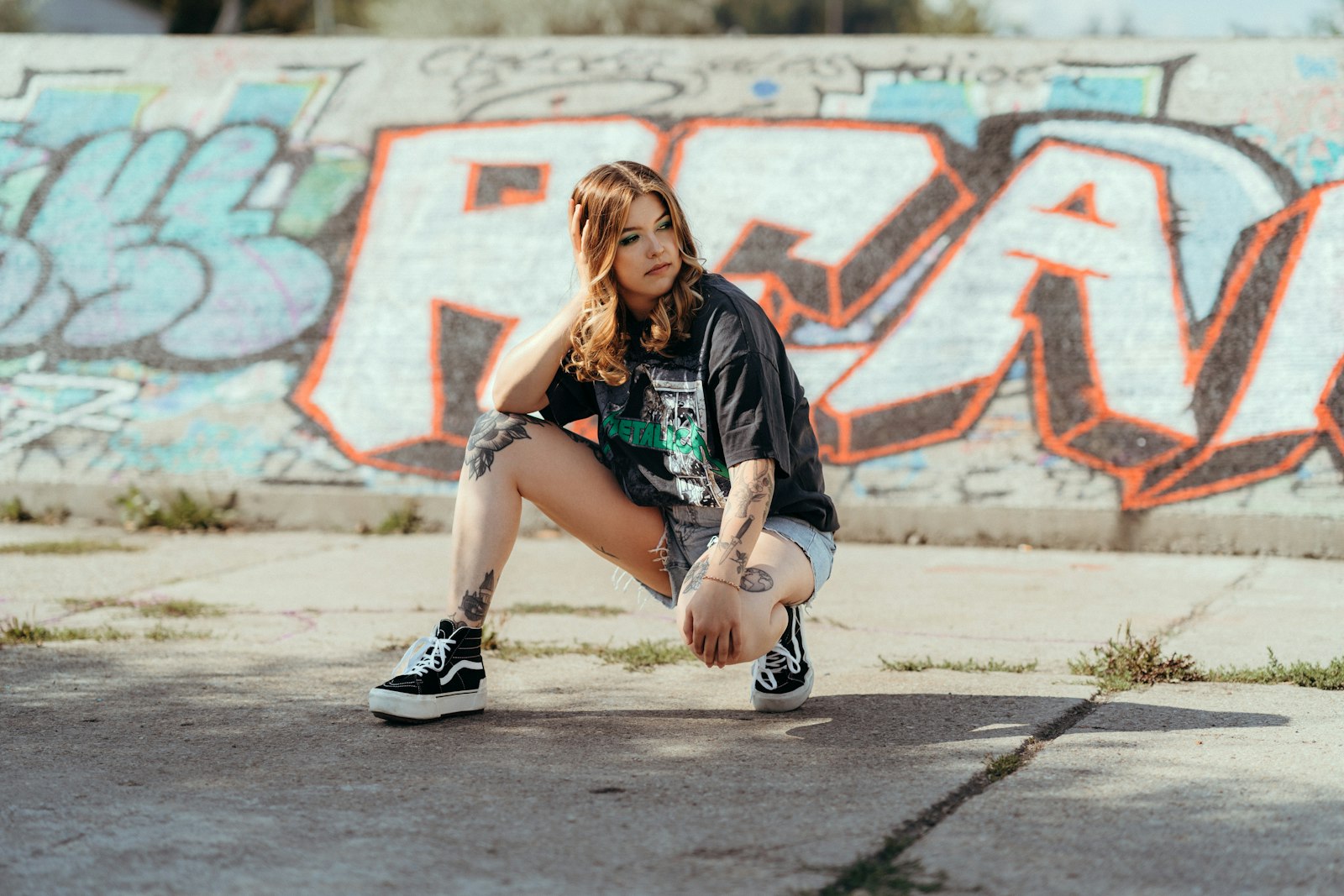
Script tattoos look simple on the surface. A few letters, some flowing curves, maybe a date or a name. The reality is much more demanding. The gap between a script that ages beautifully and one that turns into a smudgy mess depends on three core skills: hand precision, understanding how letterforms actually work, and commitment to clean needle technique. Most shops can do script. Not many do it well. At Cleopatra Ink, our artists have put in the hours to make words into something worth wearing forever.
Why Script Lettering Demands Precision Over Speed
Script is brutal on sloppy work. Blackwork and realism pieces can hide small mistakes with bold strokes and shadows. Script can't. Every line weight, every gap between letters, every curve matters. A letter that's a hair too wide reads as clumsy. A curve off by a millimeter breaks the whole rhythm across a word. Most tattoo artists can technically do script. The ones who excel have spent thousands of hours learning how letters actually fit together—serif versus sans serif, how cursive connections flow, why baseline alignment changes everything. Choosing a script tattoo artist in Seattle means picking someone who's studied lettering design, not just someone who won't drop the machine.
5 Things to Check Before Committing to a Script Tattoo Artist
Portfolio stalking tells you a lot. Here's what separates the real deal from the ones you should skip:
- Consistency in line weight across their portfolio. Pull up their Instagram and zoom in hard. Do their fine lines stay steady throughout entire pieces, or do some tattoos have shaky, inconsistent lines? Script demands steady hands and bulletproof muscle memory. Wobbly lines in other work means wobbly script.
- Evidence of custom lettering, not flash templates. Ask straight up: does this artist design custom letterforms for each client, or do they trace pre-made scripts? Custom takes longer but gives you something that's actually yours. Artists who care about custom design show work where the letters feel deliberate, not off-the-rack.
- Knowledge of how script ages. Some scripts scream "2018." Others stay timeless. The best script artists will steer you toward letterforms that'll look good in ten years, not five. If they're just agreeing with whatever font you found on Google, they're not thinking about the long game.
- Placement recommendations based on line thickness. Thin script works great on the forearm or inner arm. Same script on a hand or foot gets hammered by friction and sun and blurs faster. Artists asking detailed placement questions are thinking about whether your tattoo will still read clearly in five years.
- A real process for proofing before the needle goes in. The best script artists show you printed proofs or digital mockups so you can see exact sizing, spacing, and how it'll sit on your body. No surprises, no "I didn't expect the letters to be that small" regrets.
Vee and Kuya Ramon: Script Excellence in Downtown Seattle
At Cleopatra Ink, Vee focuses on fine line script and minimalist lettering—clean work that stays crisp over years. She combines technical precision with real understanding of negative space and how letters balance against each other. She's done everything from single words to complex multi-line quotes, always keeping that fine line sharpness that makes scripts readable decades later. Kuya Ramon goes the opposite direction: bold blackwork script with real weight and presence. His lettering background in portrait and realism work means he knows how letterforms sit on skin and move with the body.
Both follow Cleopatra Ink's hospital-grade sterilization standards, which matters with script because tight line placement means more needle density and more puncture points. One unsterilized needle can trash the whole piece's clarity. We autoclave every tool before use and only use single-use needles from certified manufacturers. One client came to Vee wanting her daughter's name in minimalist script on her collarbone. Vee printed out a full mockup and held it against the client's collarbone to show exact size and baseline. The client asked for a two-millimeter adjustment to the letter spacing. That small change mattered because it changed how the whole name would sit. That's the difference between script work and just lettering.
Script Lettering Questions Answered
How small can script lettering actually be and still look good?
Three-eighths of an inch tall is about the practical floor for legible script—think size 36 point font. Go smaller and the letters start bleeding together once the tattoo ages slightly. Fine line script on a wrist needs enough height that each letter stays distinct. If you're set on tiny lettering, your artist might suggest a bolder style that holds detail at smaller sizes.
What's the difference between cursive script and block letter script?
Cursive connects letters with flowing lines for an elegant continuous look. It's harder to nail because every connection has to feel right. Block script uses individual letters with space between them, more forgiving and usually louder. Neither is wrong. Cursive feels classic and personal. Block feels modern and punchy. Your artist can walk you through both during design.
Should I bring my own font, or should the artist design it?
Bring inspiration, let the artist rebuild it. Digital fonts don't translate to skin well because they're made for screens, not curves. A good script artist takes your reference and reshapes it for your body placement, adjusting weight and spacing as needed. This is exactly why custom design matters—your tattoo feels intentional instead of xeroxed.
How do I protect script tattoos from fading faster than other styles?
Fine line script gets damaged by sun faster than bold blackwork because thin lines lose sharpness quicker. Use SPF 30+ on exposed script year-round, and consider placement that avoids direct sun if longevity matters. Also: pick an artist who builds proper line density from day one. Script tattooed with real precision holds up longer, sun or no sun.
Ready to talk script and work with artists who know the difference between lettering and real art, book a consultation at Cleopatra Ink. Vee and Kuya Ramon both take custom script appointments. Check our guide to beginner-friendly tattoo artists in Seattle if this is your first piece, and our breakdown of the best tattoo artists in Seattle for a wider view of what we do.
Meet the whole team on the artists page, see recent work in the gallery, and check which services each artist specializes in.
Read more guides on the Cleopatra Ink Seattle blog.