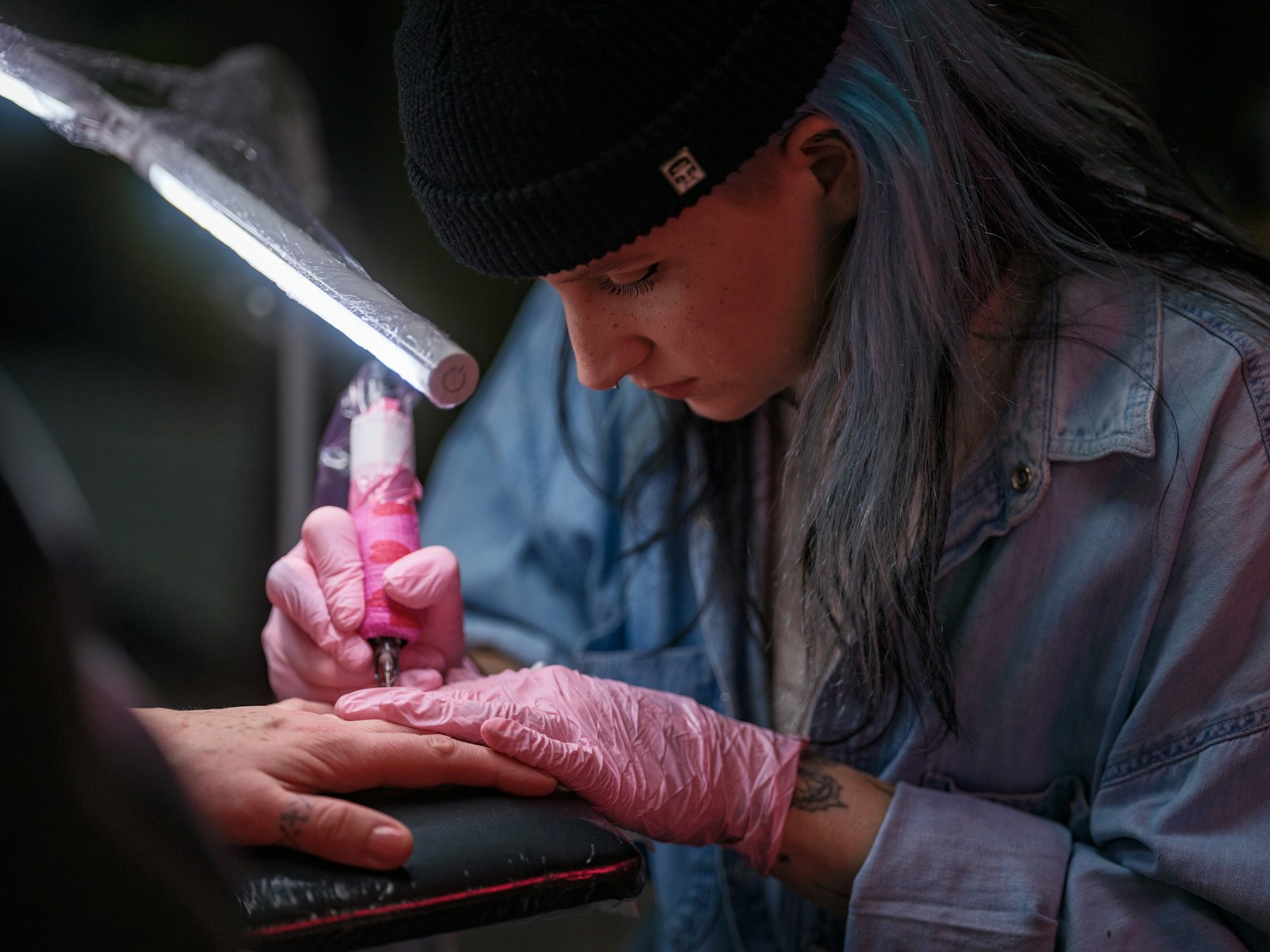
Hyperrealistic tattoos need a different kind of artist. Someone who sees skin as a canvas for shadow, light, and anatomical precision. When you're after a true realism specialist in Seattle, you're not just looking for someone who can draw. You need an artist who understands how ink behaves under skin, how to layer grayscale properly, and how to nail a portrait's essence in a sitting or two. Kuya Ramon at Cleopatra Ink does exactly that—he translates photographs into permanent, living art with years of specialized work behind him.
What Sets Realism Tattoos Apart From Other Styles
Realism operates under completely different rules than traditional or stylized work. A fine-line minimalist artist suggests form with a single stroke. A realism specialist renders every micro-detail: the exact catch of light in an eye, skin texture, the subtle gradient between shadow and highlight. This isn't technical showing off. It's about emotional weight. A portrait done in true realism feels like it's breathing on your skin, and that's where the skill gap between a good artist and a master becomes obvious.
Kuya Ramon's portfolio proves this through memorial pieces, celebrity likenesses, and pet portraits that hit almost photographic quality. The jump from "looks like something" to "looks like *that* person" is the difference between competent and exceptional. Cleopatra Ink has invested in an artist whose work speaks across our 1,300+ reviews and 4.9-star rating.
Five Things to Verify When Choosing Your Realism Tattoo Artist
Before you commit to hyperrealistic ink, protect yourself by checking these specific artist markers:
- Black and grey consistency across portfolio. Realism lives or dies on tonal range. Scroll through at least 20 finished pieces and ask: do the darkest blacks feel dimensional, or flat? Do the mid-tones create realistic depth? Kuya Ramon's work shows zero inconsistency here. Every portrait keeps that three-dimensional illusion that defines realism.
- Hands-on approach to reference material. A realism artist should ask detailed questions about your photograph or concept. They need to understand lighting, skin tone, emotional intention. Expect the artist to study your reference like a surgeon studies an X-ray, not skim it in passing.
- Equipment specific to fine detail work. Realism requires smaller needle configurations, higher-quality ink suspension, and longer session times than other styles. Ask your artist what equipment they use for shading and linework. Hospital-grade sterility is baseline, but for realism you want professional-grade machines calibrated for precision, not general-purpose tools.
- Willingness to do touch-ups and refinement sessions. Realism pieces often need a second session to deepen blacks, refine shadows, or adjust contrast after initial healing. The best realism artists build this into their practice. At Cleopatra Ink, we see the final piece as a collaboration that may span multiple visits, not a one-shot transaction.
- Proven experience with the specific subject matter. Portraits demand different problem-solving than animal realism or mechanical work. Getting a pet memorial? Ask how many animals they've rendered. Human face? Ask about age ranges, ethnicities, and facial structures they've tackled. Kuya Ramon's portfolio spans all of these, but your artist should at minimum show competence in *your* specific vision.
Why Cleopatra Ink's Realism Standard Matters in Downtown Seattle
Seattle's tattoo scene has capable artists everywhere across every style, so specialization matters hard. Kuya Ramon doesn't try to master realism *and* tribal *and* lettering. He commits to realism as his primary discipline, and that focus builds skill year after year. Our studio maintains hospital-grade sterilization that exceeds industry standards. That becomes important when you're booking longer sessions that demand precision and client comfort over extended time.
Every realism portrait at Cleopatra Ink gets documented in high-resolution photography before and after healing, giving you and the artist a clear record of how the piece settles in your skin. This feedback loop is how masters refine their craft. We've invested in specific equipment realism demands: professional-grade rotary machines, needle configurations calibrated for consistent pressure, and high-quality inks that hold their tonal integrity for years. When a client comes in for a memorial portrait—which happens often—they're trusting us with something precious. That responsibility shows in every technical choice we make.
Realism Tattoos in Seattle: Your Practical Questions Answered
How long does a realistic portrait tattoo take?
Realistic portraits almost always need multiple sessions. A small portrait (2-3 inches) typically runs 4-6 hours across two appointments. Larger pieces or complex compositions can take 8-12+ hours total. This isn't because your artist is slow. Hyperrealism requires layering, which can't be rushed without compromising depth. Kuya Ramon schedules realism appointments knowing this reality, building in time for careful work rather than burning through appointments.
Will my realism tattoo look like the reference photo forever?
Realism tattoos age differently than other styles. The hyperdetail that makes them striking upfront softens slightly over 5-10 years as ink naturally spreads in skin. This isn't failure. It's physics. A master realism artist knows this and builds in extra contrast and depth compared to the reference photo. At Cleopatra Ink, we discuss longevity expectations upfront and often recommend touch-up sessions at the 3-5 year mark to restore original crispness. This is standard practice in elite realism studios, not an upsell.
Can realism work well on all skin tones?
Yes, but the technique shifts. On darker skin, a realism artist must use different reference lighting and highlight placement to keep dimensionality. Kuya Ramon's portfolio shows mastery across all skin tones because he approaches each portrait with specific knowledge of how light reads differently based on melanin content. If you have deeper skin, ask this question directly. Some artists haven't developed this skill, and it will show in the final result.
How much should I expect to pay for a realism piece?
Realism tattoos cost more than other styles for solid reasons. A truly skilled realism artist has invested thousands of hours developing tonal control, anatomical knowledge, and equipment mastery. Budget $200-400+ per hour depending on artist reputation and location. In Seattle, master-level realism work sits at the premium end. If cost is a priority, explore our affordable tattoo artists in Seattle who may specialize in other styles, or start with a smaller realism piece to test the artist's work on your skin.
Building Your Seattle Realism Tattoo Plan
Choosing a realism tattoo artist means choosing someone who translates your vision into permanent form. Kuya Ramon at Cleopatra Ink brings hyperrealistic technical skill, years of portrait specialization, and a commitment to precision that shows in our 4.9-star rating and 1,300+ client reviews. You're considering a memorial portrait, a personal hero, or a beloved pet—investing in a true realism specialist pays off the moment you see photorealistic detail staring back from the mirror.
Ready to explore realism work with Kuya Ramon or learn more about how we approach portrait tattoos? Book a consultation at Cleopatra Ink. You can browse Kuya's complete portfolio on our artists page or explore our best tattoo artists in Seattle across all specialties to find your perfect match. For insight into what makes our process different, check out our award-winning artists and the technical standards we maintain across every genre.
Explore more guides from our team on the Cleopatra Ink Seattle blog.