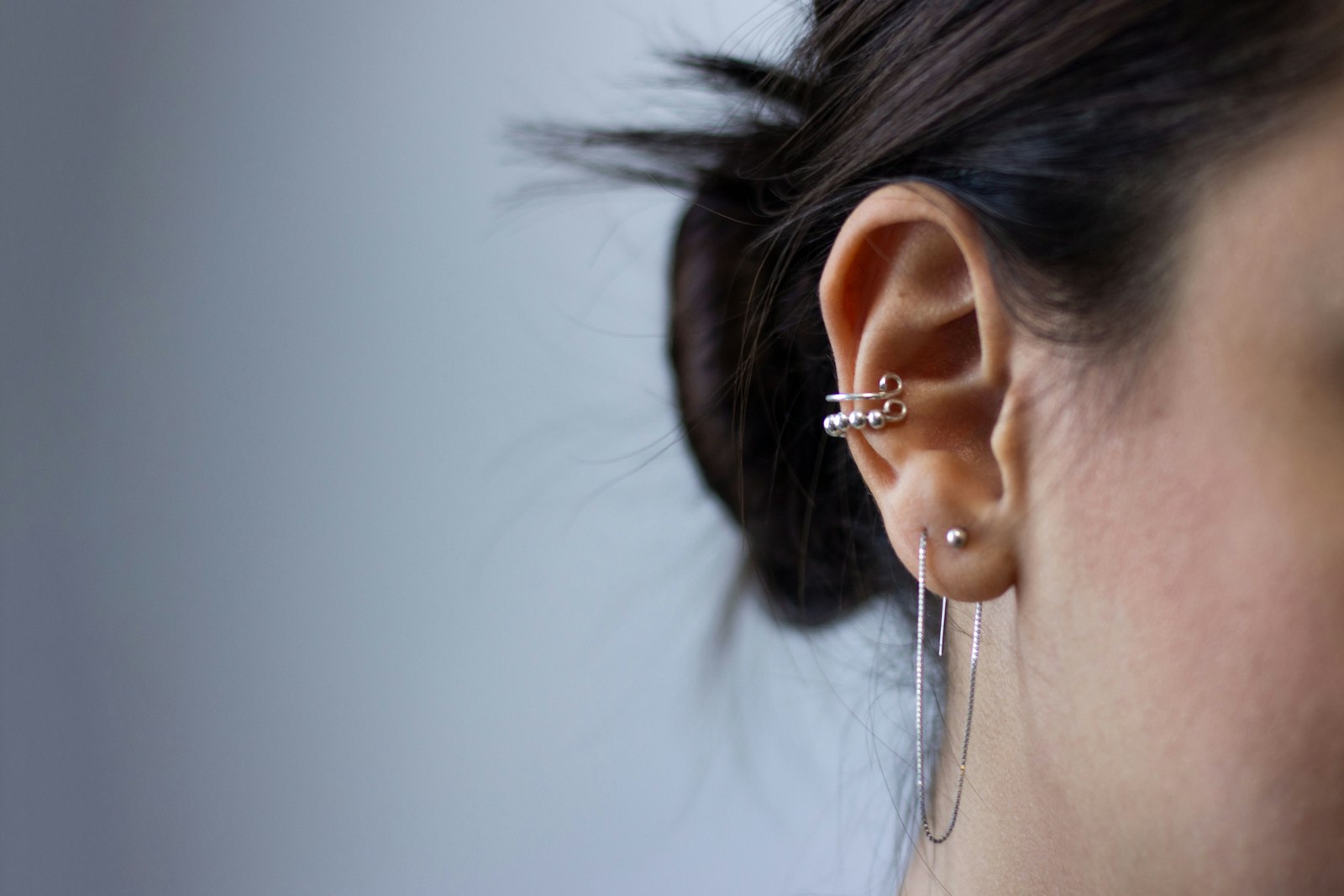
The outer conch sits on that flat, curved cartilage above your earlobe—the space that gets noticed first. Unlike the inner conch tucked deeper into the ear's bowl, this one's immediately visible and works beautifully as the centerpiece of a curated ear setup. If you're thinking about an outer conch piercing in Seattle, knowing the right placement, what to expect during healing, and how to pick a solid studio makes all the difference.
Why the Outer Conch Has Become a Curation Essential
That flat, accessible surface is what makes the outer conch so versatile. It catches light, frames your ear's natural shape, and connects your lobe piercings to your upper cartilage work. For anyone building out a full ear, the outer conch becomes the anchor point—the piece that ties everything together visually.
The cartilage there is dense and gets good blood flow, so it typically heals faster and cleaner than some other ear piercings. You can wear hoops, studs, shields, and bigger statement pieces without them getting tangled in your hair or catching on clothes the way a rook or daith might.
At Cleopatra Ink, we treat every outer conch placement as part of your whole ear vision. Seray spends time understanding what you already have pierced, what jewelry actually speaks to you, and how this new piercing will fit your overall look.
Five Things to Verify Before Booking Your Outer Conch Piercing
- Placement consistency with your ear anatomy. Every outer conch is shaped a little differently. A solid piercer measures that flat area carefully to make sure jewelry sits right and won't shift over time. Bad placement leads to uncomfortable healing and jewelry that sits crooked. Ask to see a mockup or photo preview before anything happens.
- Titanium-first jewelry policy. Implant-grade titanium is non-porous and won't aggravate fresh cartilage piercings. Lots of studios default to surgical steel or whatever's cheap, and those materials collect bacteria. Make sure your studio carries ASTM F136 titanium as the standard, not an upsell. Check out our titanium jewelry guide to see what's actually good.
- Needle gauge and sterile technique specifics. Outer conch piercings do best with a hollow needle, usually 14 or 16 gauge. Ask if they use a single-use sterile needle and a receiving tube to protect the cartilage. Dull or reusable needles wreck tissue and slow healing way down.
- Aftercare instruction clarity. Your piercer should hand you written aftercare instructions and actually answer questions you have during healing. Outer conch piercings need 6–9 weeks before you can think about changing jewelry, and another month or two before they're really stable. If a studio glosses over the timeline or gives you vague instructions, walk out.
- Artist experience with ear curation clients. If you've got existing piercings and want your outer conch to work with them, your piercer needs to think about symmetry and balance across your whole ear. Ask to see a portfolio of actual curated ears, not just single piercing photos. That shows whether they understand the bigger picture.
Cleopatra Ink's Outer Conch Piercing Standard
Seray handles our piercing work at Cleopatra Ink in Downtown Seattle and brings the same cleanliness standards we're built on to every placement. Every needle is sterile, one-time use, and comes from medical suppliers. The titanium jewelry arrives sealed, sterilized, and goes straight into your fresh piercing.
Our autoclave meets hospital standards, and every surface gets cleaned between clients. Seray consults with you on your ear's specific shape and what you want your piercing to look like long-term. We've done hundreds of multi-piercing ears, so we know exactly how the outer conch sits with your lobes, flats, and upper cartilage piercings.
One client wanted to visually connect her lobe piercings to her forward helix. Seray angled her outer conch to create a natural line across the whole ear, then suggested specific jewelry to emphasize that flow. Six weeks later, when she came back for her first change, it had healed perfectly straight and in exactly the right spot. That's the level of precision we aim for every single time.
We also back what we do. If something goes wrong, Seray's here to figure it out, make adjustments, or help you solve problems without any drama. That's how we handle piercing services that care as much about your safety as the final look.
Outer Conch Piercing Questions We Hear Regularly
How long does an outer conch piercing take to heal?
Full healing runs 3–4 months, though the first phase where it stops leaking and feels better happens around 6–9 weeks. The first month, don't sleep on that side and keep it dry when you shower. Cartilage always heals slower than soft tissue, so regular salt soaks or sterile saline spray really do matter.
Can I change my outer conch jewelry quickly, or do I need to wait?
Wait at least 8–10 weeks before swapping jewelry, even if it looks ready. The piercing channel develops slowly through cartilage, and changing too early invites bacteria, swelling, or placement shift. Some people get restless and swap at six weeks, then get hit with infections. Stick with the wait. Once you're past 12 weeks, jewelry changes are safe and simple.
Will an outer conch piercing hurt, and how does it compare to other ear piercings?
It's cartilage, so it'll hurt more than a lobe piercing. Most people describe a sharp, quick pinch that's done immediately. The pain isn't intense or dragging on—it's fast. The outer conch is thinner cartilage compared to a rook or daith, so many clients actually think it's easier than those. Your adrenaline kicks in too, which naturally dulls the pain.
What's the difference between an outer conch and inner conch piercing?
The inner conch goes deeper into the ear's bowl, closer to your ear canal, and heals slower (usually 4–6 months). It's hidden and limits jewelry choices because the canal needs room. The outer conch is shallower, heals faster, and gives you way more visibility and options. Some clients get both as part of a full ear curation, but they're different placements with their own jewelry styles and healing speeds. If you're considering multiple conch piercings, Seray can walk you through what actually works for your ear.
Ready to add an outer conch to your ear? Book a consultation with Seray at Cleopatra Ink and we'll talk placement, jewelry options, and how your new piercing fits your bigger ear vision.
Check out more guides from our team on the Cleopatra Ink Seattle blog.