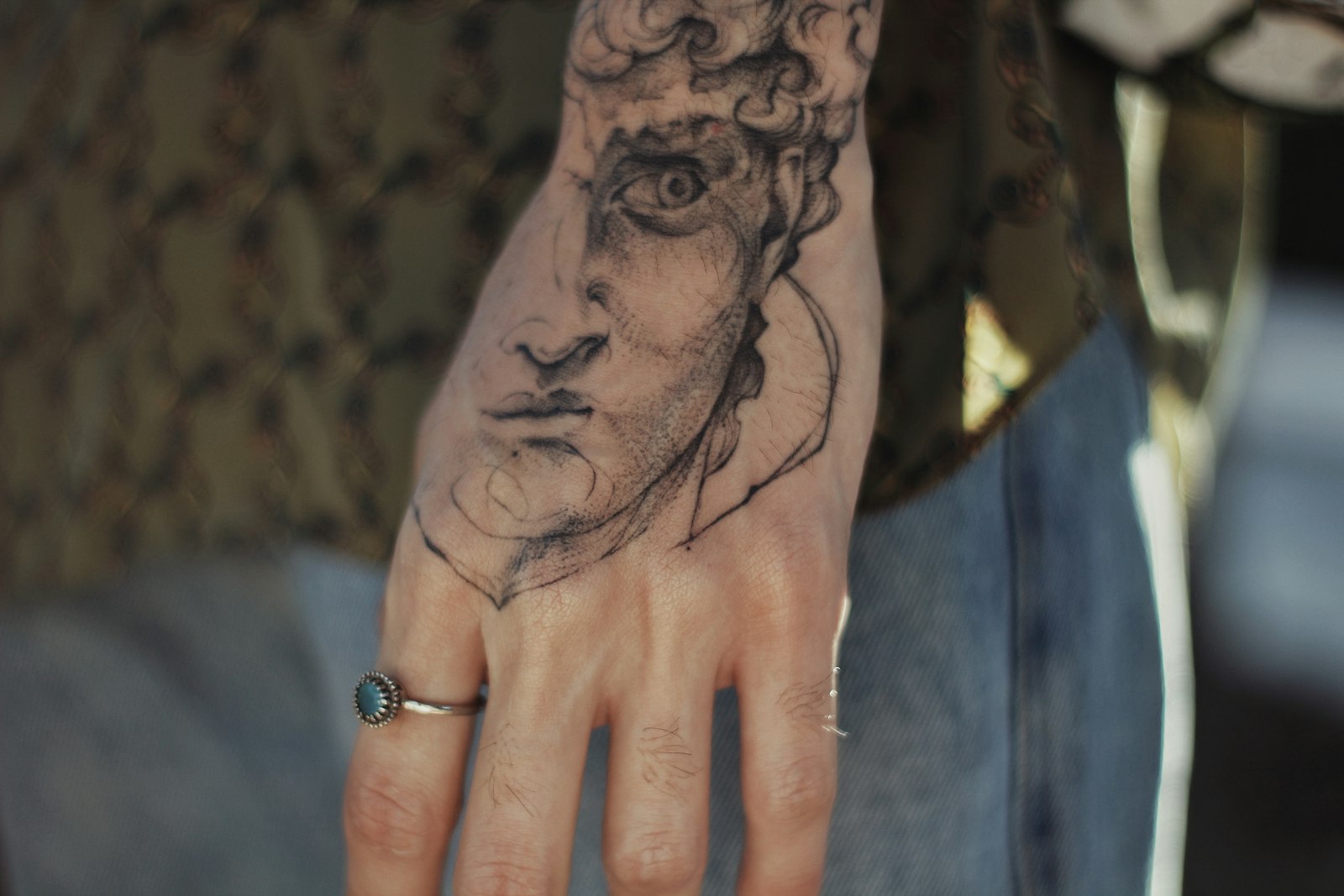
Micro realism tattoos sit at the extreme end of technical difficulty. Unlike bigger realistic pieces, micro realism leaves zero margin for error: every single line matters, every shadow has to land in exactly the right spot, and the whole piece has to work at a scale where you can't fake anything. Seattle's tattoo scene has always pushed for both innovation and serious technical chops, so micro realism tattoo seattle has become the go-to request for clients who want serious visual impact in a tiny footprint.
Why Micro Realism Requires a Different Skill Set
Micro realism isn't just "realism but smaller." An artist who crushes large photorealistic work might hit a wall once the canvas shrinks to a quarter-inch portrait or a thumbnail landscape. The whole game changes. Ink behaves differently on smaller skin. Needle pressure becomes exponentially more important. Your hand's natural tremor gets proportionally bigger relative to the design. This is why only the most disciplined technical artists do micro realism well—people who've spent years perfecting hand steadiness, needle depth, and the art of creating detail through negative space.
At Cleopatra Ink, our artists live and breathe this distinction. Vee's specialty is fine-line botanical and minimalist work, and she's earned her reputation because what looks effortless actually requires obsessive planning and execution. In a micro realism piece, every line is deliberate. There's no room for the lucky accidents that sometimes save a bigger piece.
Five Criteria to Evaluate Before Booking a Micro Realism Artist
Thinking about a micro realism tattoo in Seattle? Use these five checkpoints to figure out if an artist can actually handle the work:
- Portfolio consistency at small scales: Don't just look at their impressive large pieces. Scroll to their smallest work. Do the micro designs hold the same clarity and intentionality as their bigger pieces? Lines should be crisp, shading should read clearly even at phone-screen size, and fine details should never look muddy or blurred.
- Evidence of architectural planning: Micro realism requires photographic-level precision before the needle ever touches skin. Ask about their design process. Do they work from high-resolution references? Do they use a light table or projector to ensure placement? Artists who skip this step produce inconsistent micro work.
- Client testimonials specific to small pieces: A five-star review that says "best artist ever" tells you little. Look for specific feedback about micro work: "The detail is insane," "Can't believe this is on my skin," "Holds up perfectly at this size." These comments signal mastery of the style's unique demands.
- Willingness to discuss needle selection and depth: Micro realism artists will talk openly about needle size, machine settings, and depth adjustment. If they seem vague or say "I use the same settings for everything," that's a red flag. Micro work demands precision-level equipment knowledge.
- Clear aftercare expectations for fine detail: Micro realism tattoos heal differently than standard work. The artist should explain this upfront, including how to protect fine lines during healing and what long-term touch-ups might look like. Transparency here indicates experience with the style's specific healing curve.
Why Cleopatra Ink Stands Out for Micro Realism Work
Our 4.9-star rating across 1,300+ reviews didn't happen by accident. It comes from years of committing to precision work across all styles, including the unforgiving demands of micro realism. Here's what actually sets us apart:
Equipment calibration: Micro realism lives or dies by your equipment. We've calibrated every needle selection, machine configuration, and lighting setup to handle work at reduced scale. Our hospital-grade sterilization isn't just marketing—we execute it consistently because contamination in a fine-line piece destroys both the client's health and the aesthetic.
Artist specialization: Vee's background in fine-line botanical work means she's logged thousands of hours developing the hand control and visual precision that micro realism demands. Her portfolio is packed with intricate miniature pieces—botanical studies, tiny animal faces, detailed architectural elements—all executed with the control that only comes from deep, focused specialization. Kuya Ramon, known for larger realism and portraiture, brings a photographer's eye for detail and shadow that translates beautifully into micro formats.
Client experience detail: A regular client came in with a reference image of a hummingbird for a micro realism piece, roughly the size of a postage stamp on her wrist. Rather than jumping at the job, our artist spent 20 minutes discussing whether the reference image had enough contrast to work at that scale, and whether the client's long-term vision aligned with what micro realism could actually deliver. That conversation prevented a common regret: a piece so small that even the artist struggles to maintain it during future healing. We planned the design at a slightly larger scale, and two years later, it still holds perfect clarity.
Common Questions About Micro Realism Tattoos
How long does a micro realism tattoo take compared to standard realism?
Here's the weird part: micro realism often takes longer than larger realism, despite the smaller total ink coverage. The artist has to move slower, keep tighter hand control, and take frequent breaks to check detail under magnification. A thumbnail-sized portrait might run 3-5 hours, while the same image at standard size might take 6-8 hours but feel faster because there's less hand fatigue.
Does micro realism age differently than other tattoo styles?
Yes. Fine lines blur slightly over years as ink particles migrate within the dermis—that's normal. In micro realism, this blur can eventually make crisp detail read as soft or slightly faded. Our artists discuss long-term touch-up expectations upfront. Your micro realism piece will stay recognizable and striking for decades, but maintaining that original crispness might require a light refresh every 5-10 years.
Is micro realism more painful than larger tattoo work?
Pain varies person to person, but the extended session and precision work often make it feel more intense mentally. You're hyper-aware of the needle because the artist is being so careful. Most clients report that the concentration required actually makes time feel shorter, even if the clock says otherwise.
Can you combine micro realism with other styles?
Totally. Micro realism pairs beautifully with minimalist line work, geometric framing, or abstract elements. Many clients use micro realism as a focal point—a detailed portrait in the center, say—surrounded by simpler elements that complement rather than fight for attention. If you're exploring hybrid styles, check out our guides on color realism tattoo Seattle and hyper realism tattoo Seattle to understand how different realism approaches can work together.
For those drawn to minimal design philosophy, our micro tattoo Seattle article explores how scale itself becomes an artistic statement.
Micro realism is a conversation between artist and canvas, and it demands absolute technical skill plus artistic vision. If you're ready to explore this style with an artist who specializes in precision work, book a consultation at Cleopatra Ink. Bring your reference image, and let's talk about whether micro realism is right for your vision.
Check out our portfolio in the studio gallery, meet our artists to find your stylistic match, or explore the full range of tattoo and piercing services we offer at Cleopatra Ink Seattle.
Read more guides from our team on the Cleopatra Ink Seattle blog.