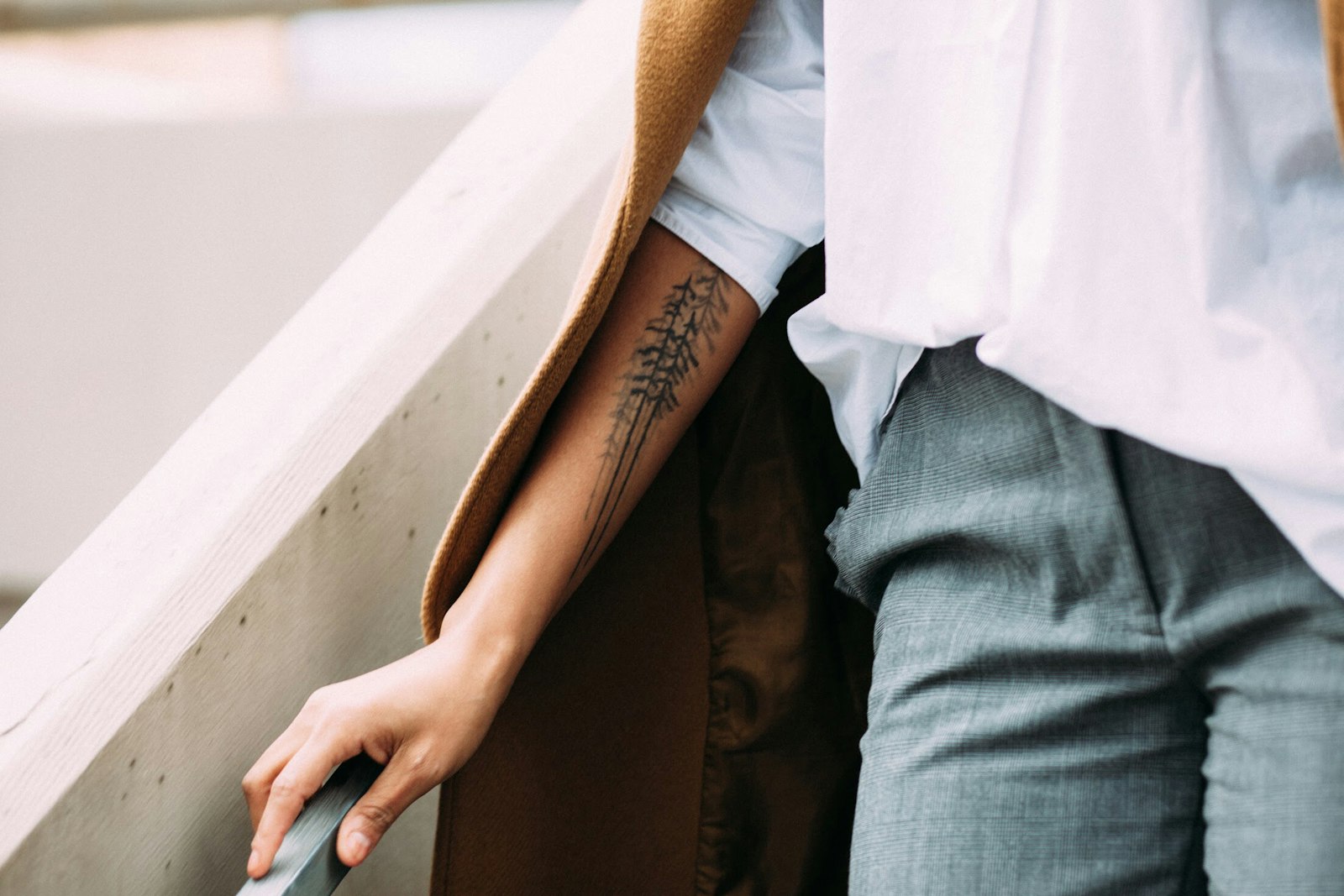
A memorial tattoo goes way beyond getting some ink on your skin. It's how you keep someone close—a permanent reminder of their face, their impact, their place in your story. In Seattle's rain and changing seasons, a truly great memorial piece becomes something you carry with absolute intention. At Cleopatra Ink, we know that memorial work demands more than just technical chops. It takes emotional intelligence, real artistic precision, and the kind of focus that makes sure every detail honors the person you're remembering. Let's walk through what makes memorial tattoos work in Seattle and why your choice of artist can't be casual.
Why Memorial Tattoos Require a Specific Kind of Artist
Not every tattoo artist can handle memorial work properly. A portrait of someone you've lost isn't about grabbing flash off the wall or speed-running a session. You're taking a photograph—maybe the only one that captures them right—and turning it into permanent ink that matters. The pressure is real because the stakes genuinely are.
You're not getting this tattoo and changing your mind in six months. This is someone's face, their soul, their permanence on your body for life. Memorial tattoos sit right at the edge between technical realism and raw emotion. The technical side can't slip: one eye slightly off, a shadow in the wrong spot, and the whole feeling changes. But your artist also has to actually listen. They need to understand you're not just ordering a tattoo—you're working through grief, celebrating a bond, and leaving something behind that says "this person mattered." Kuya Ramon at Cleopatra Ink does exactly this work. Realism, portraiture, memorial pieces—done with the attention they deserve.
5 Things to Verify Before Booking Your Memorial Piece
Before you commit to a memorial tattoo in Seattle, run through these five checks to make sure you've got the right person and the right studio:
- Portfolio depth in portraiture. Ask to see at least 10–15 finished portrait or memorial pieces. Don't accept three examples. You need proof they can handle different skin tones, ages, facial features, and actual emotion in their work. A solid realism portfolio shows consistent likeness and real depth.
- Process for photo selection and reference. Good memorial artists ask real questions about which photo to use, when it was taken, the light source, whether you have high-resolution files or prints. They'll tell you why some photos work better for tattooing than others. An artist who doesn't dig into this isn't thinking seriously enough about your memorial.
- Willingness to do custom stencils and mockups. The pros will create custom stencils and often digital previews so you can see placement and size before any needles come out. This lets you tweak proportions or position without screwing up the final tattoo.
- Sterilization and equipment standards. Memorial pieces often run multiple sessions. Confirm the studio autoclaves all reusable tools, follows hospital-grade protocols, and uses fresh single-use needles and ink every time. This isn't optional for any tattoo, but especially one this meaningful.
- Artist availability and realistic timeline. Real memorial work can't be rushed. A solid portrait artist in Seattle might have a 2–4 month wait. That wait is actually good—it means they're booked because they're worth waiting for. Anyone promising a custom memorial in two weeks is cutting corners on your tribute.
How Cleopatra Ink Approaches Memorial Tattoo Work
At Cleopatra Ink in Downtown Seattle, memorial work gets treated as sacred work. Kuya Ramon has spent years building his realism and portrait skills to the level memorial pieces need. His portfolio shows he doesn't just capture someone's likeness—he captures who they were. The warmth in their eyes. The character in their face. That specific thing that made them irreplaceable.
Our studio hits hospital-grade sterility. Every tool gets autoclaved. Every needle comes fresh from sealed, single-use packaging. For memorial work, where clients sometimes return over weeks to build out the piece and emotions run deep, this isn't bureaucracy—it's respect. We've had people come back session after session, adding details, adjusting shading, letting the memorial shift as their grief shifts. That only works if they trust our sterilization completely.
One client brought us a photograph of her father in his workshop, where he lived. She wanted his face, but also that window light behind him, the way his hands looked at that moment. Kuya Ramon sat with that photo for hours. He asked questions about her dad's personality, what made him laugh, how he carried himself. The finished piece captures not just his appearance—it captures him. She said afterward that looking at the tattoo feels like talking to him again.
That's the bar: technical excellence grounded in real human care. Your memorial might be a portrait, a name with symbolic imagery, an abstract marker of someone's influence on you—whatever it is, we treat it as heavy and important as it actually is.
Common Questions About Memorial Tattoos in Seattle
How long does a realistic memorial portrait tattoo typically take?
A solid portrait memorial usually takes 2–4 sessions, each running 3–5 hours, depending on size, detail, and shading complexity. Many people space sessions weeks apart, giving themselves time to sit with the piece and process before continuing. Rushing a memorial portrait produces mediocre results. Patience is part of honoring the person you're remembering.
Can you do a memorial tattoo from a very old or low-resolution photograph?
It's possible. A skilled realism artist can work with imperfect source material, but the outcome depends on what's available. Black-and-white photos, Polaroids, slightly blurry prints can still create beautiful memorials. The artist just has to be honest about what they can and can't do. Multiple photos help—different angles, expressions, different lighting give the artist more to work from. If you're thinking about a black and grey memorial tattoo, older photographs can actually work great because they're already aligned with that aesthetic.
Should I include names, dates, or symbols with the portrait?
That's up to you. Some people want just the portrait. Others add names, birth and death dates, meaningful symbols, flowers (lots of clients choose botanical elements to represent the person), or words that mattered to them. The rule is: make intentional choices. Don't add stuff because you think you're supposed to. Work with your artist on a composition where everything means something. A memorial that's thought through beats a portrait with random add-ons.
Is there a "right" placement for a memorial tattoo?
Placement comes down to what you need. Some people want their memorial visible—forearm, chest, upper arm—because it keeps the person present and invites conversation. Others need privacy with it: inner forearm, ribs, thigh. Both are valid. Think about how often you want to see it, if you're okay with it showing at work, and how you feel about explaining it to strangers. Kuya Ramon can advise on how placement affects how the portrait reads.
Moving Forward With Your Memorial
A memorial tattoo deserves real time, clear thinking, and someone who specializes in this work. Seattle's got good studios, but memorial pieces need specialists. Book a consultation at Cleopatra Ink when you're ready. Bring your photo, your memories, what you want this to say. Kuya Ramon will listen hard, ask the right questions, and create something that lasts—not just on your skin, but in how it keeps someone you love alive in your everyday life.
Check out our work in the studio gallery, meet our artists to find your stylistic fit, or get into the full range of tattoo and piercing services we offer at Cleopatra Ink Seattle.
More guides from our team are available on the Cleopatra Ink Seattle blog.