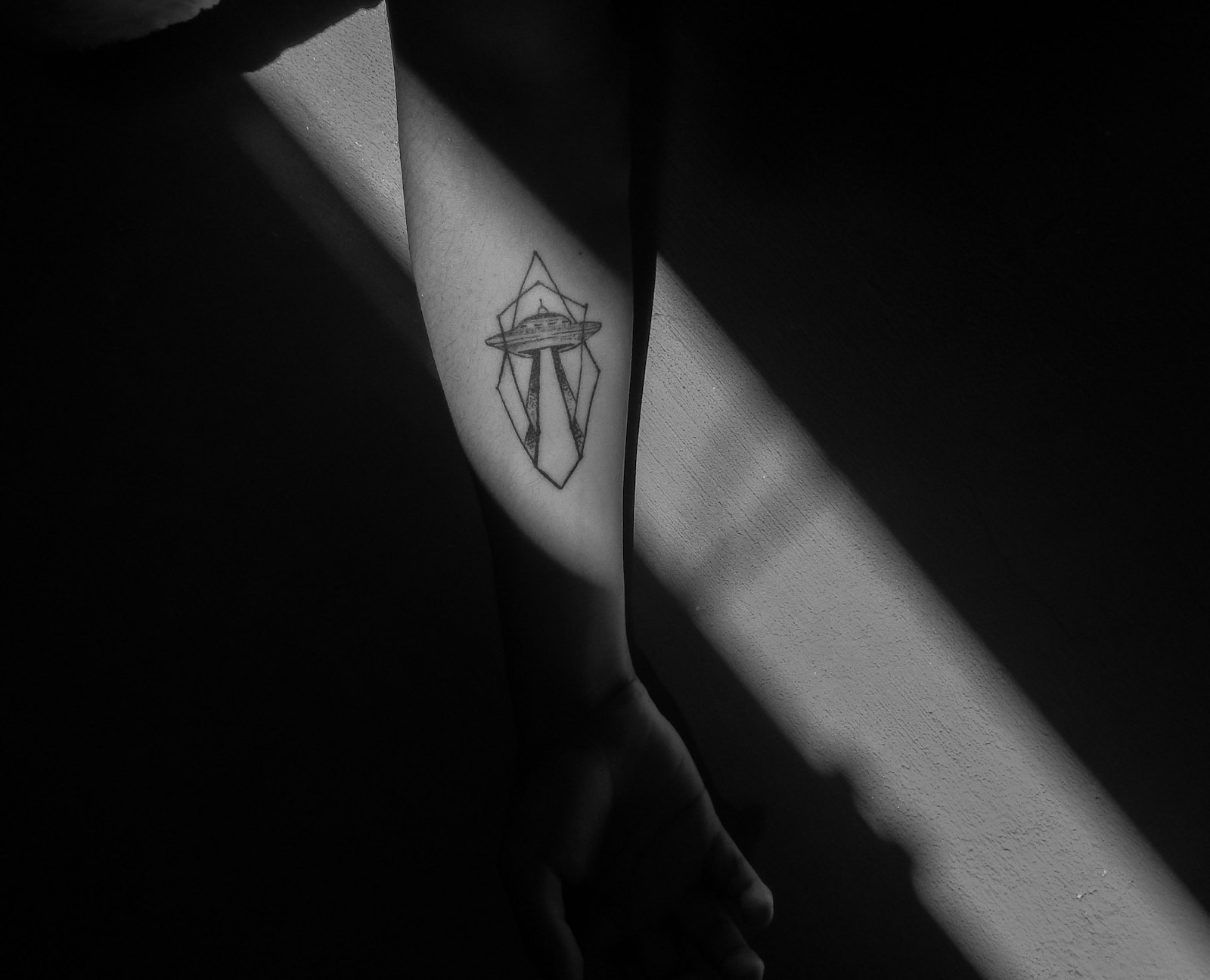
An illustrative tattoo isn't just a picture on your skin—it's a moment frozen in time, a scene with depth and intention. Unlike traditional styles that follow strict rules, illustrative tattoo Seattle work draws from fine art, illustration, and graphic design to create pieces that feel alive. At Cleopatra Ink, we specialize in designs that tell a story, whether that's a detailed landscape, a character in motion, or a scene that holds personal meaning. If you've been drawn to tattoos that feel more like wearable art than decoration, illustrative work is probably speaking to you.
What Makes Illustrative Tattoos Different From Other Styles
Illustrative tattoos occupy their own space. They're not bound by the geometric precision of geometric work, nor do they follow the bold-line tradition of American traditional. Instead, they pull from illustration—think storybook art, concept design, editorial imagery. The real difference is narrative detail: these pieces often include background elements, layered shading, and a sense of composition that moves your eye through the design.
What separates illustrative work is the emphasis on mood and storytelling over technical rulebooks. You'll see soft gradients mixed with bold lines, realistic elements alongside stylized ones, all working together. This flexibility is why people gravitate toward illustrative tattoos when they want something deeply personal—your vision gets room to breathe. At Cleopatra Ink, this is where our artists like Vee shine, particularly when working with fine line detail and botanical imagery that carries real weight.
Five Things to Verify Before Booking Your Illustrative Tattoo
Illustrative work demands precision, subtlety, and a keen eye for composition. Not every artist nails this. Here's what to assess:
- Portfolio depth in narrative scenes. Don't just look for "good shading"—find work where the artist has clearly composed a scene with foreground, middle ground, and background. Ask yourself if their pieces feel flat or dimensional. Look for consistency across multiple pieces, not just one or two standouts.
- Fine line consistency and longevity. Illustrative work often relies on delicate linework that needs to hold up over years. Request to see healed work, not just fresh pieces. Ask the artist directly: how do they ensure fine lines don't blur as the tattoo ages? This matters more for illustrative work than almost any other style.
- Reference material and art direction capability. Does the artist ask detailed questions about your vision? Illustrative tattoos live or die based on composition and detail—your artist needs to be a collaborator who understands visual storytelling, not just someone who traces your reference image. Look for artists who've created original compositions, not just redrawn existing artwork.
- Black and grey (or color) mastery without losing detail. Many illustrative pieces work in black and grey, which means the artist must create dimension entirely through tonal variation. If you're considering color, the artist needs to show they can balance color saturation with fine detail. Review their portfolio specifically for pieces similar in size and complexity to what you're planning.
- Willingness to iterate on design during consultation. Illustrative work benefits from a real design conversation, not a one-shot approval. The best artists at Cleopatra Ink treat the design phase as collaborative. They'll sketch, adjust, get feedback, and refine before the needle touches skin.
How Cleopatra Ink Approaches Illustrative Tattoo Design and Execution
We start by understanding what you want to communicate. These pieces are often deeply meaningful—if you're commissioning a portrait, a landscape with personal significance, or a scene from a story you love. Our artists spend real time in the design phase because it matters.
Vee, one of our core artists, specializes in fine line illustrative work with a particular strength in botanical and naturalistic scenes. Her approach combines meticulous linework with thoughtful composition—each piece feels like it could be lifted from a naturalist's journal or a beautifully illustrated book. She works closely with clients to understand the emotional core of what they want, then translates that into a design that reads clearly at tattoo size and will age gracefully.
Our studio maintains hospital-grade sterilization standards, which is non-negotiable for any fine work. Illustrative tattoos often involve extended sessions (sometimes multiple appointments), so you're trusting us with hours of your time and your skin. Every needle, tube, and surface is sterilized according to industry best practices. We use only professional-grade inks formulated to hold detail without spreading or fading prematurely. For illustrative work, a line that blurs even slightly changes the entire composition.
A recent client came in wanting a detailed botanical scene inspired by a childhood garden. Rather than just referencing her photos, our artist sketched multiple compositions, explored different placements on her body, and tested how the piece would read at actual size. The final design took four weeks to finalize through design revisions, but the result was a piece that felt entirely hers—not a generic botanical tattoo, but a bespoke illustration with personal meaning embedded in every element.
Illustrative Tattoos: Real Questions, Real Answers
How long does an illustrative tattoo typically take?
This depends entirely on complexity and size, but illustrative work almost always takes longer than a comparably sized traditional or geometric piece. A small, detailed scene might take 3-4 hours. Larger, more complex pieces frequently require 6-8 hours or multiple sessions. The design phase adds time too—expect 2-4 weeks of back-and-forth before the appointment. We never rush illustrative work. The detail that makes these pieces special requires patience.
Will fine lines hold up in an illustrative tattoo, or will they blur over time?
That's the right question to ask. Fine lines will naturally soften slightly as any tattoo ages—that's biology. But with proper technique, quality ink, and appropriate needle sizing for line weight, illustrative tattoos age beautifully for years. The key is working with an artist who understands how to space lines, use appropriate line weights for detail, and knows which areas of the body hold detail longest. Forearms, chest, and back pieces tend to age better than hands or feet.
Can I combine illustrative style with other tattoo styles?
Absolutely. Many stunning pieces blend illustrative narrative elements with blackwork boldness or incorporate botanical realism as a foundation. Some clients love mixing fine line illustrative work with the sculptural quality of black and grey depth. The versatility is part of what makes illustrative work so compelling. Your artist can help you explore how different styles might strengthen your specific vision.
What's the difference between illustrative and realism?
Realism aims for photographic accuracy—the goal is for your tattoo to look like a photograph on skin. Illustrative work, by contrast, is intentionally styled. It draws from illustration and fine art rather than trying to replicate photography. You might see stylized proportions, intentional line work, or composed elements that wouldn't appear that way in a photograph. Both are beautiful; they just have different goals. Realism demands technical mastery of form and shading; illustrative demands mastery of composition and storytelling.
Ready to bring your illustrative vision to life? Your story deserves an artist who understands both the technical demands and the personal meaning behind the work. Book a consultation at Cleopatra Ink and let's discuss what you want to create.
Browse our portfolio in the studio gallery for fresh examples, meet our artists to find a stylistic match, or explore the full range of tattoo and piercing services we offer at Cleopatra Ink Seattle.
Explore more guides from our team on the Cleopatra Ink Seattle blog.