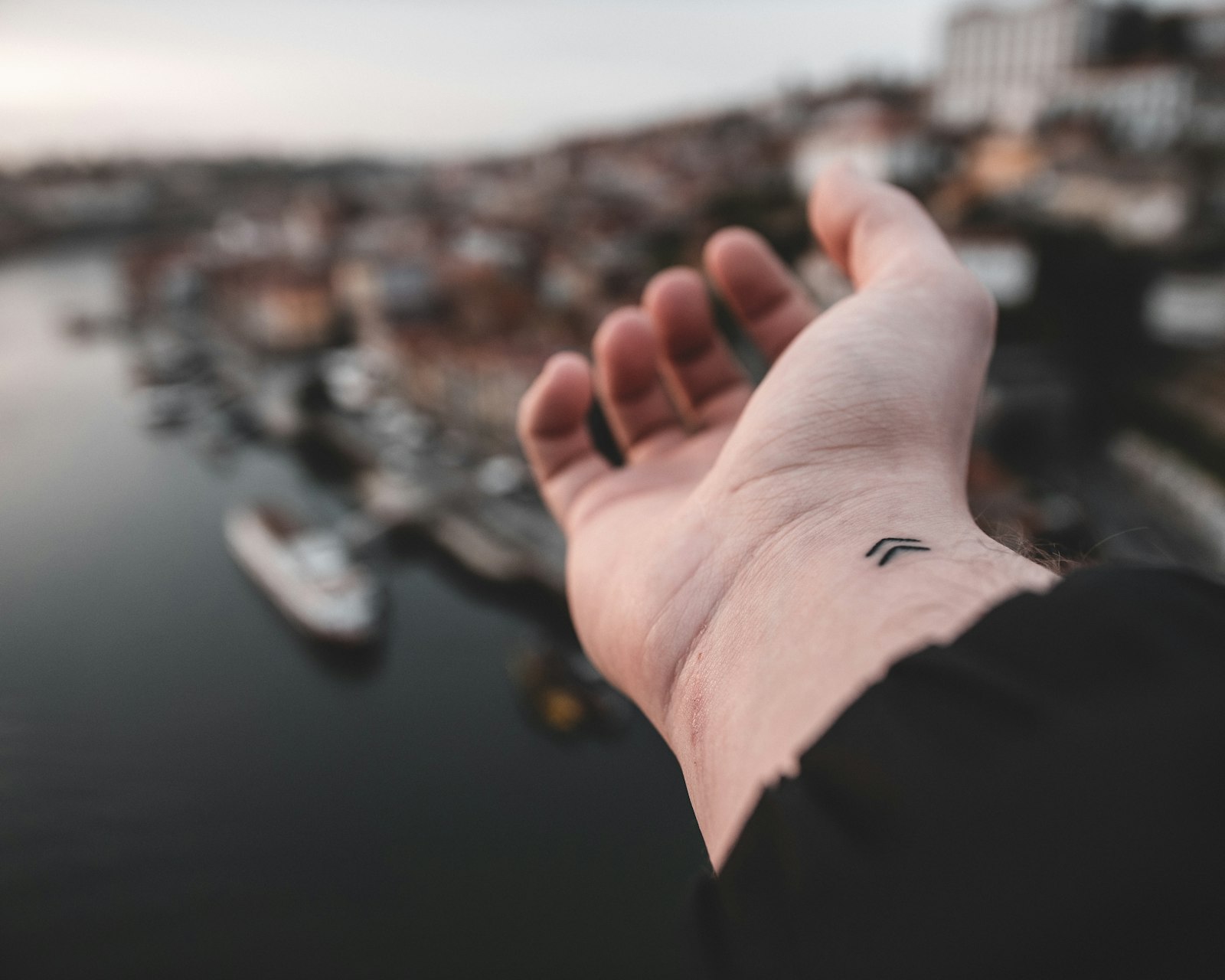
Geometric tattoos mean something specific. They're not just shapes on skin—they're about intention, sacred meaning, mathematical precision, and the kind of clean execution that separates mediocre work from pieces you'll still love a decade later. A geometric tattoo in Seattle deserves an artist who understands that every line matters, every angle has purpose, and symmetry isn't optional. At Cleopatra Ink, we've spent years perfecting exactly this craft, and I want to walk you through what actually goes into picking the right artist, designing something that fits your body, and placing it somewhere it'll hold up over time.
Why Geometric Designs Demand a Specific Skillset
Most tattoo artists can't pull off geometric work at a high level. Here's the reality: geometric pieces live or die on precision. A wobbly line in a portrait suggests feeling. A wobbly line in a mandala that's off by two millimeters destroys the whole piece. Your brain catches it instantly, even if you can't explain exactly why something feels wrong.
The core challenge is this—translating a design from screen or paper into scaled body art without losing proportion or distortion. Then there's placement. A geometric design reads completely different on your forearm versus your ribcage, where your body's natural curves can subtly shift straight lines in ways you won't anticipate until you're sitting in the chair.
Geometric work also intersects with other styles. Many pieces use blackwork techniques for bold, solid fills, and others blend abstract elements with mathematical precision. The artists worth your time understand these crossovers and can actually advise you instead of just executing what you ask for.
5 Things to Check Before Committing to Your Geometric Design
- Verify the artist's geometry portfolio specifically. Don't assume a talented realist can execute geometric work. Ask to see 5–10 finished geometric pieces, preferably ones that are 2+ years old. Aged geometric tattoos show you whether lines stayed crisp and whether the proportions held.
- Understand symmetry expectations for your placement. A mandala on the chest has different symmetry demands than a geometric sleeve or a minimal geometric line piece on the wrist. Discuss with your artist how your body's natural asymmetry will interact with the design. This conversation separates experienced artists from those still learning.
- Ask about design scaling and reference images. How will your artist translate a small reference image to your body? Do they use digital scaling tools, or do they freehand the proportions? The best geometric artists often use measured approaches—rulers aren't cheating; they're professional standards.
- Confirm needle and line weight consistency. In geometric work, line weight (how thick each line is) creates visual rhythm. A consistent line weight shows control; wobbly or inconsistent lines break the illusion of precision. Ask your artist about their needle selection for your specific design.
- Discuss your pain tolerance and session length realistically. Fine geometric work takes time. Rushing a 3-hour geometric piece into a 90-minute session often compromises quality. Your artist should be honest about realistic timing, especially for complex designs with many intersecting lines.
Cleopatra Ink's Precision Standard for Geometric Work
We approach geometric tattoos with the same obsession over detail that you should demand. Our studio runs hospital-grade sterilization for every client, and our artists have real depth in the styles that geometric work requires. Vee, one of our core artists, lives in fine line and minimalist territory—the exact space where geometric pieces thrive. Her portfolio is filled with clean, confident lines in botanical designs and geometric compositions where everything is exactly where it belongs.
Equipment matters as much as artist skill. We use single-use sterile needles for every single client, and those needles are calibrated for the specific line weight your geometric piece needs. Thicker lines require different needle configurations than fine geometric line work, and our artists adjust accordingly. Most studios don't even talk about this, but it's the difference between a sharp line and one that's slightly fuzzy when you look close.
One of our clients brought in a complex geometric mandala concept—a 12-point symmetrical design with layered, intricate patterns. Her consultation ran 45 minutes, not because we were stalling, but because every angle, every radius, every proportion had to align with her vision and her body. That's how we work: precision first, speed never. The tattoo took two sessions total, and she told us a year later that under close inspection, every line still feels intentional and sharp.
Geometric Tattoo Design Questions Answered
Can I bring a Pinterest design and have it tattooed exactly as-is?
No, and that's actually a good thing. A geometric design that's perfect on a flat screen won't necessarily translate to your specific body placement and natural curves. Your artist needs to adapt the proportions and angle to suit your anatomy. The best geometric pieces respect the reference but customize for your actual body. That's what separates a copied image from a real tattoo.
How do geometric tattoos age compared to other styles?
Geometric tattoos age exceptionally well, especially the ones done with consistent line weight and clean, sharp lines. The simplicity of the design means there's less detail to blur as time passes. A mandala executed well at 25 will still look sharp at 45. Solid aftercare matters, and professional execution matters more—geometric lines have no room for sloppy work the way a portrait might hide blur.
What's the difference between sacred geometry and abstract geometric tattoos?
Sacred geometry incorporates symbols and proportions with spiritual or mathematical meaning—flower of life patterns, metatron's cube, golden ratio spirals. Abstract geometric tattoos prioritize visual balance and pattern without embedding historical or spiritual significance. Both require precision, but they're conceptually different conversations. Your artist should ask which direction speaks to you before the needle starts.
Is geometric work more expensive than other tattoo styles?
Not necessarily. Complex geometric pieces with many intersecting elements do require longer sessions and more experienced artists, which affects price. At Cleopatra Ink, we price based on size, complexity, and placement—not the style alone. A small geometric line piece might cost the same as a small portrait. A full-back geometric mandala will reflect the time your artist invests and the precision required.
Ready to start your geometric tattoo with an artist who takes line weight and symmetry as seriously as the design itself? Book a consultation at Cleopatra Ink. We'll talk through your vision and make sure every line lands exactly where it should.
Check out examples in our studio gallery, meet our artists to find your match, or see the full range of tattoo and piercing services we offer at Cleopatra Ink Seattle.
More guides are available on the Cleopatra Ink Seattle blog.