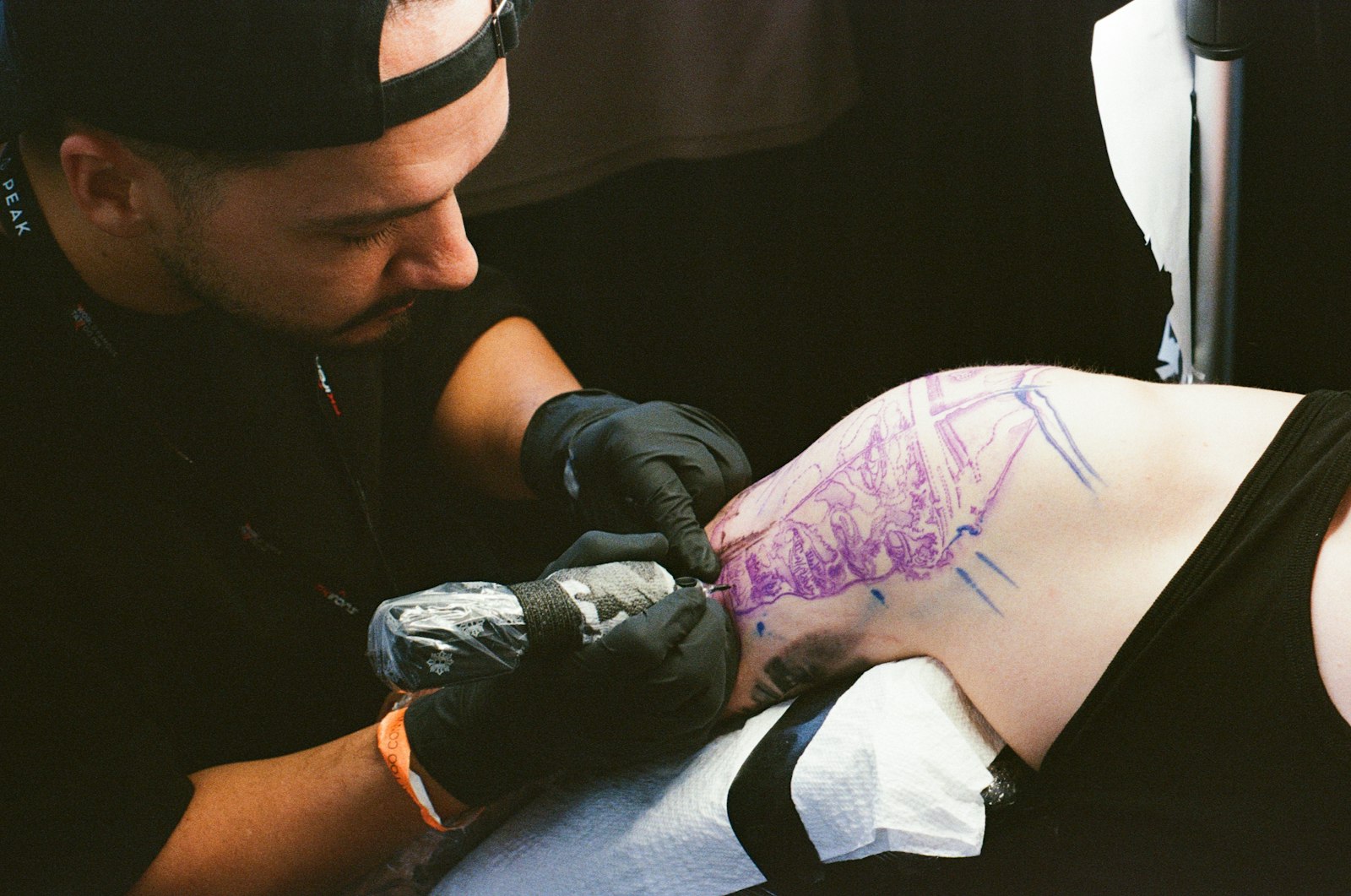
Fine line tattoos exist in that weird space where less somehow becomes more. A single thin stroke can carry an entire piece, but only if the person holding the needle actually understands negative space, how skin heals, and whether ink will stick in those delicate lines over time. Seattle's tattoo community has serious standards—people here know the difference between someone rushing through a session and an artist who actually cares about precision. Finding a fine line specialist isn't just nice to have; you need someone whose hands are steady enough to pull this off. I'll break down what separates real fine line artists from people who just claim to do it, and introduce you to the people in Downtown Seattle who've actually mastered this demanding, beautiful work.
Why Fine Line Work Requires a Different Skill Set
Fine line tattoos aren't just smaller versions of bigger pieces. They're built on completely different mechanics: needle depth, ink saturation, hand control. A fine line artist has to predict how thin lines will fade over years, not months, and adjust every part of their technique around that reality. They're working with thinner needles, minimal power, zero margin for error. One shaky hand movement or one angle miscalculation ruins the whole balance.
Most talented tattoo artists never go down the fine line rabbit hole. The work is slow. The focus required is relentless. There's no way to hide or fix a mistake. The artists who actually nail it have usually spent years building hand stability and learning exactly how their specific needle setup, ink brand, and power settings perform on different skin. Vee at Cleopatra Ink built her whole reputation on this kind of mastery. She focuses exclusively on fine line work—everything from minimalist geometric shapes to botanical pieces so intricate they look like they were drawn with an actual pen.
5 Things to Check Before Booking a Fine Line Artist
A lot of artists will tell you they do fine line work. Not many have actually put in the work. Here's what you should actually look for:
- Line consistency in their portfolio: Scroll through their work at different scales. Real fine line artists show you pieces small and large. Check if the lines stay clean or if they look shaky and blown out. Consistency beats everything else.
- Proof of long-term healed work: Ask for healed photos, especially at the six-month and one-year mark. A fine line piece that looks perfect fresh but turns into a blurry mess months later? That's a sign the needle depth or saturation is off. A solid fine line artist will show you healed work that still holds sharp lines. That's proof.
- Experience with your specific idea: Fine line botanical work is completely different from fine line blackwork, which is different from fine line geometry. If you want botanical and their portfolio is 80% geometric, ask directly if they've actually done botanical work before. Specialization matters.
- Their approach to touch-ups: Every tattoo fades a little. Fine line pieces sometimes need a refresh around the two-year mark. Ask upfront how they handle touch-ups. A good artist won't charge you for fixes if the fade is because their technique wasn't dialed in properly.
- Willingness to discuss needle and equipment specifics: You don't need to be a gear nerd, but any serious fine line artist will explain their needle choice, machine settings, and ink without hesitation. If they get vague or defensive about the details, they probably haven't actually refined their craft.
Vee at Cleopatra Ink: Precision, Patience, and Proven Results
Vee's work is basically the foundation of Cleopatra Ink's fine line reputation. She specializes in minimalist, botanical, and delicate line work. Every session she does comes from the understanding that one thin line carries the entire piece. Everything she uses supports that: hospital-grade sterilization, needle setups built specifically for fine line consistency, power supply tuned for the control thin work demands.
What actually separates Vee isn't just technical skill. It's the consultation process. She doesn't rush straight to needles. Instead, she listens to what you want, talks placement on your actual skin type, and gives you honest feedback on whether your design will actually hold up over years. Some ideas look stunning on a sketch but won't survive as fine line work. Vee will steer you toward what actually works instead of just taking your money for a rushed session.
One of her recent clients brought in a botanical design based on pressed flowers from her grandmother's garden. The piece needed dozens of thin lines placed with absolute millimeter precision to keep the delicate structure without losing anything. Three hours in the chair, and the result was botanical illustration tattooed on skin. The healed work at two months was so clean the client couldn't believe how sharp the lines stayed.
Common Fine Line Tattoo Questions
Do fine line tattoos hurt more than regular tattoos?
Nope. Fine line work actually uses lighter needle setups and lower power levels, which means less skin trauma overall. A lot of clients say fine line sessions feel gentler than bolder work. The real pain point? Sitting still for hours while someone works slowly. Time in the chair is more of a challenge than the needle itself.
How often do fine line tattoos need touch-ups?
When it's executed properly, fine line work lasts years without major fading. The catch is that thin lines show ink loss faster and more obviously than bold pieces do. Most people plan for a light touch-up around the two-year mark to keep everything crisp. Your artist should tell you this upfront and give you realistic aftercare instructions to slow any fade.
Can you do fine line work on any body part?
Fine line does best on skin that doesn't move much and doesn't get baked by sun constantly. High-risk spots like ribs, knuckles, and palms fade faster because of constant friction and movement. Shoulders, calves, and upper arms? Those are your sweet spots. Vee will look at wherever you want it and be honest about whether the placement works or if you need to shift the design for it to survive long-term.
How is fine line different from minimalist tattoo design?
Fine line is technique—the actual execution of how the needle and ink hit skin. Minimalist is design—using the fewest elements possible to make your point. A lot of fine line pieces are minimalist, but minimalist work doesn't always need fine line technique. You can do minimalist with thick, bold lines. Knowing the difference helps you explain what you actually want to your artist.
Ready to get fine line work that'll still look sharp years from now? Book a consultation with Vee at Cleopatra Ink. We also have black and grey specialists and guides on working with beginner-friendly artists if you're thinking about different styles. Your design deserves someone whose hands are steady enough to respect it.
Check out the full team on the artists page, browse fresh work in the gallery, and see what each artist specializes in on the services breakdown.
Read more guides from the crew on the Cleopatra Ink Seattle blog.