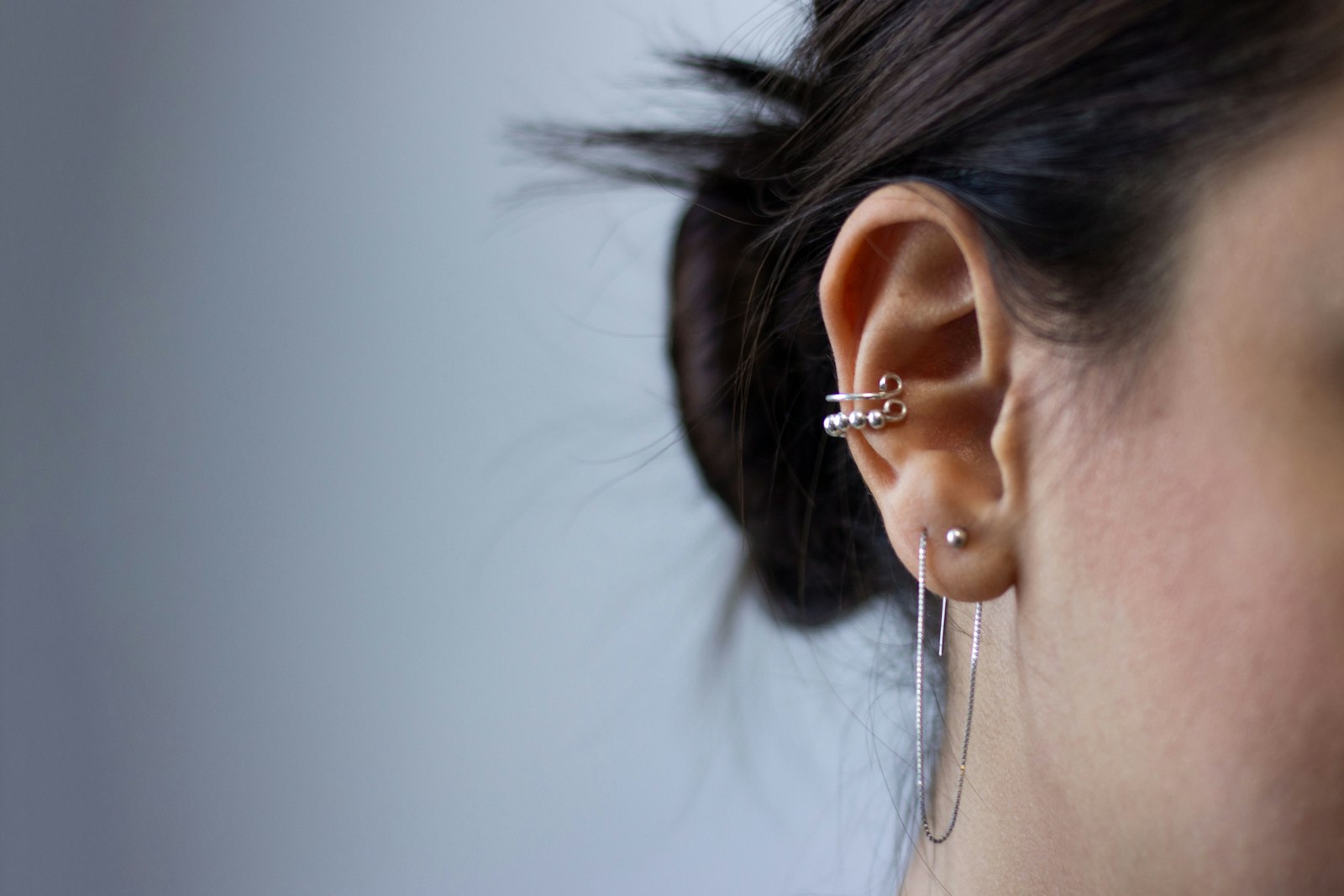
A double helix piercing means two separate holes along the upper cartilage ridge of your ear, stacked vertically for that clean, layered look. Unlike a single helix piercing sitting at the top curve, a double helix piercing seattle requires serious precision and skilled hands to nail symmetry and spacing. The geometric appeal is obvious—especially when gold studs sit one above the other, catching light. But it's more than just looks. This piercing has become the go-to for people who want impact on their ear without filling every available space.
Why Placement Matters More Than You'd Think
Here's the thing nobody talks about: your ear isn't flat. It curves. The cartilage has different thickness zones. Everyone's ear is shaped differently. A piercer who really understands ear anatomy can position two holes so they feel intentional and balanced, not like a mistake. Bad placement looks off-kilter, heals unevenly, and makes jewelry choices painful. That's exactly why finding the right artist in Seattle makes all the difference. Seray at Cleopatra Ink actually listens to what you want, measures your specific ear anatomy, and marks placement before the needle even comes close. She's done enough ears to know which angles work with different shapes, so your double helix looks like it belongs there naturally.
5 Things to Check Before Committing to Your Double Helix Piercing
- Ear shape and cartilage thickness. Not all ears have the same cartilage depth or curve. During a consultation, your piercer should assess whether your ear has enough real estate between the forward helix and the outer helix ridge to accommodate two piercings without them feeling crowded or migrating. If your ear is smaller or your cartilage runs thin in that zone, spacing becomes critical.
- Your existing piercings and jewelry plans. If you already have a forward helix or standard helix piercing, a double helix might create visual clutter or require careful jewelry coordination. Think about whether you want matching studs, contrasting styles, or a mix. Some people layer a double helix with a tragus or anti-tragus piercing; others prefer to keep the upper ear as the focal point. Your vision should align with your piercer's recommendations.
- Healing timeline and commitment. Each helix piercing typically takes 6–9 months to fully heal, sometimes longer depending on your body. A double helix means two healing timelines running parallel. You'll need to keep both clean, avoid sleeping on that ear, and resist the urge to change jewelry too early. Commit to the aftercare schedule before you book.
- Jewelry quality and material. Cartilage piercings don't tolerate cheap metals well. Surgical steel, titanium, and solid gold are the only options that won't trigger infections or sensitivities during healing. Your piercer should discuss material options upfront and ensure your initial jewelry is implant-grade. At Cleopatra Ink, we use hospital-grade titanium and solid gold exclusively, because healing matters more than saving five dollars on jewelry.
- Your pain tolerance and piercer's technique. Double piercings mean two needle passes in quick succession. Some people find the second piercing easier because adrenaline is flowing; others feel the second one more acutely. Ask your piercer how they approach back-to-back piercings—do they space them seconds apart or take a breath between? The technique varies, and knowing this helps you mentally prepare.
Cleopatra Ink's Approach to Double Helix Piercings
Seray's whole thing is ear curation. She thinks about your piercings as part of a bigger aesthetic picture for your ear, not just isolated holes. Come in for a double helix and she's not just marking two spots. She'll ask about your ear goals, consider how new piercings work with existing ones, and often sketch placement on paper so you see the result before any needles come out. That hands-on consultation process kills the guesswork. All piercings here use single-use, sterile needles in a hospital-grade environment. Equipment gets autoclaved between clients, surfaces are sanitized constantly, and we follow APP (Association of Professional Piercers) standards, period. Clients regularly mention in reviews that they felt safe, informed, and genuinely cared for from the moment they arrived. One recent review specifically noted that Seray's calm presence made getting two piercings feel like a normal conversation instead of a stressful ordeal.
Planning to coordinate your double helix with other ear piercings—like pairing it with a forward helix piercing or building a full ear plan? Seray can map that across multiple sessions. Plenty of clients start with a double helix and later add a standard helix piercing or work toward a triple helix arrangement as they heal and get more comfortable with ear work.
Double Helix Piercing Questions Answered
How much pain should I expect with a double helix piercing?
Cartilage piercings sting more than lobe piercings because the tissue is denser. Most people describe a sharp pinch followed by a dull ache that disappears within minutes. The second hole often feels lighter because your adrenaline is already pumping, though everyone's nervous system is different. Pain ends quickly. Placement lasts forever. Just breathe and let your piercer do the work.
Can I sleep on my ear while a double helix piercing heals?
Nope. Sleeping on a healing cartilage piercing compresses it, invites bacteria, and kills the healing timeline. Grab a travel pillow with a hole, sleep on the other side, or prop yourself up for the first 4–6 weeks. After that window, most piercings handle occasional pressure fine, but those early weeks require real discipline.
What's the difference between a double helix and stacked piercings?
A double helix is two piercings spaced along the outer cartilage ridge of your upper ear. "Stacked" is broader and can mean piercings layered at the same spot (which we don't recommend because it damages cartilage integrity) or arranged vertically along the same curve. A proper double helix is always vertically spaced, never stacked at identical depth.
How do I care for a double helix during the healing phase?
Rinse both piercings twice daily with sterile saline. Don't touch, twist, or sleep on the ear. Keep hair away from the piercings, skip pools and hot tubs for at least 4 weeks, and wear your hair back when possible. Mild swelling and light lymph discharge are normal. Crusty buildup isn't a problem unless it comes with warmth, redness, or pain that gets worse over days. If you're worried, reach out to your piercer right away.
Ready to add dimension to your ear with a double helix piercing? Seray at Cleopatra Ink specializes in ear curation and uses only sterile, hospital-grade equipment. Book your consultation today and let's design the perfect placement for your ear.
See current piercing examples in the studio gallery, meet Seray and the rest of our team, and review our complete list of piercing services at Cleopatra Ink Seattle.
Explore more guides from our team on the Cleopatra Ink Seattle blog.