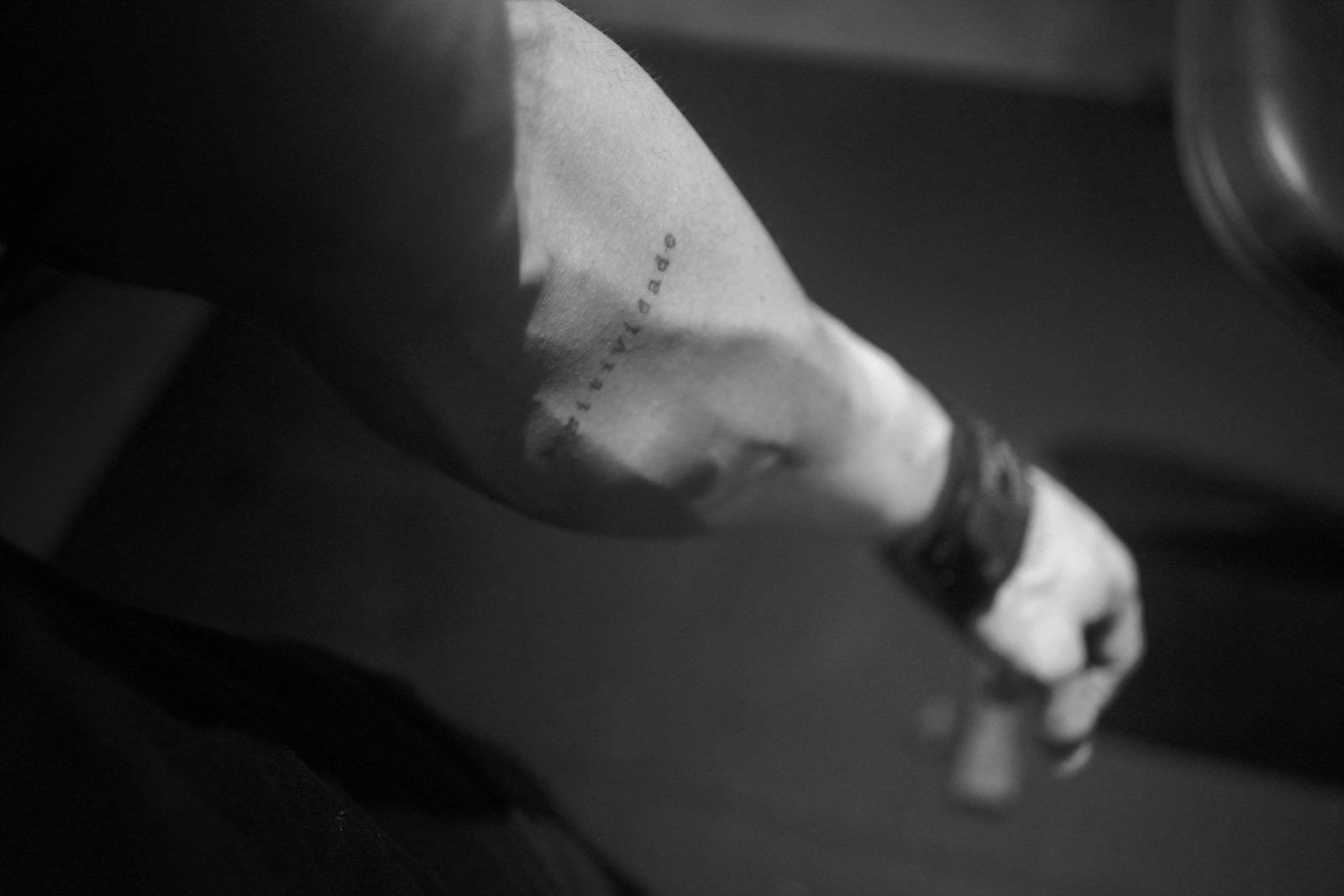
A cover up tattoo isn't just slapping new ink over old regret—it's a complete reimagining. Maybe the old piece represents someone you're no longer connected to, a design that stopped making sense, or frankly just bad work from a decade ago. A solid cover up tattoo in Seattle transforms that regret into something you'd actually want people to see. At Cleopatra Ink, we've built our reputation on exactly this kind of work. Our artists know the geometry, the pigment science, and the mental aspect of helping clients move past old choices.
Why Cover Ups Demand More Skill Than Fresh Tattoos
A cover up is nothing like tattooing blank skin. You're working against existing pigment, dealing with scar tissue underneath, accounting for how light and shadow will interact with what's already there. The old ink's depth, how solid it sits, where it's positioned—all of it matters. A faint line from fifteen years back needs a completely different strategy than something that's dark and dense. The new design has to be bigger, darker, or positioned just right to optically hide what's underneath. Grey and light colors won't cut it. Black, dark grey, and solid tones are what actually work. Even getting the stencil right is harder because one sloppy placement throws off the whole piece in ways fresh work wouldn't.
This is why you need someone who's specifically logged serious hours on cover ups, not just someone good at fresh pieces. Kuya Ramon, our blackwork and realism specialist here at Cleopatra Ink, has literally rebuilt pieces other studios said were impossible. That's a different skill set entirely.
Five Essentials to Evaluate Before Committing to a Cover Up
- The artist's cover up portfolio. Not their best fresh work—their actual cover up gallery. Ask to see before-and-afters on pieces similar in size and darkness to yours. Cover ups are a distinct discipline. A portfolio heavy in crisp line work and botanical designs doesn't translate to cover up expertise.
- Honest assessment of whether it's actually coverable. A responsible artist will tell you straight up if your old tattoo is too large, too dark, or too recently placed to reasonably cover. Coverability depends on pigment density, your skin type, and your pain tolerance for the additional sessions needed. They should explain this without pressure.
- The proposed design's complexity and size. Bigger and darker designs work harder to conceal old ink. But you also need to love the new piece. Too many people accept a cover up design they don't actually want because they're desperate to hide the old one. Fight that impulse. Work with your artist to find a design that solves both problems at once.
- Whether they recommend any pre-cover-up fading work. Some artists suggest laser fading sessions before the cover up if the old tattoo is particularly dense. It's not always necessary, but it can improve your result, especially on darker or older pieces. Ask if your situation actually needs it.
- Realistic timeline expectations. Cover ups often need touch-ups or a second session. Don't walk out expecting perfection after one appointment. Ask your artist upfront how many sessions they typically recommend for your situation and whether touch-ups are included in the original quote.
Cleopatra Ink's Approach to Cover Up Tattoos
At our Downtown Seattle studio, cover ups are some of our most rewarding work. We start every consultation with brutal honesty about what's realistically possible. Our artists examine your old piece under different light, talk through the design direction you actually want, and map out a solid plan. We run hospital-grade sterilization on everything—single-use needles, autoclaved tubes, the whole setup to medical standards. There's no room for cutting corners when you're already managing the stress of transforming something old.
Kuya Ramon refined his blackwork and realism technique specifically because those styles excel at cover ups. Dark ink, bold lines, and dimensional shading are the tools that make old ink vanish. One client walked in with a dense four-inch memorial piece that didn't work. Rather than accept mediocre cover work, they collaborated with Kuya on an entirely new memorial design—darker, larger, with portrait-level detail that covered the original completely and became genuinely meaningful. That's the difference between a cover up and a real transformation.
We also respect the emotional side of this decision. You're moving past something, not just changing your skin. Our artists approach every cover up consultation with that understanding, zero judgment attached.
Cover Up Tattoos: Common Questions Answered
Can every tattoo be covered?
No. Extremely large pieces, work that wraps around a limb, or tattoos already done in light colors might not fully cover. Small, dark pieces almost always work with the right design strategy. A consultation at Cleopatra Ink will give you a real answer about your specific situation.
Will the new tattoo feel different during the healing process?
Sometimes. Going over existing scar tissue (which old tattoos create) can feel slightly different depending on the piece and how your skin responds. Your artist adjusts their needling technique and depth accordingly. Proper aftercare with Saniderm is still critical.
How much darker will the new tattoo need to be?
That depends on how dense the old tattoo is and your skin tone. A dark old piece might only need to be slightly darker if the new design is positioned strategically. Lighter old work might require full black or very dark grey. Your artist will explain the specific strategy during the consultation.
Why not just get it removed with laser instead?
Laser removal costs a lot, takes multiple sessions over months, can leave scarring, and doesn't always fully erase the ink. A well-done cover up is usually faster, less painful, and you walk out with new art you actually like. You get a finished piece, not just blank skin waiting for the next idea.
If you're ready to turn an old tattoo into something you'd actually show off, start with a consultation at Cleopatra Ink. Our artists have the portfolio, the honesty, and the technical skill to tackle cover ups that other studios pass on. If you're interested in blackwork precision or the depth of black and grey realism, we'll design something that works. Book your cover up consultation today.
Explore more guides from our team on the Cleopatra Ink Seattle blog.