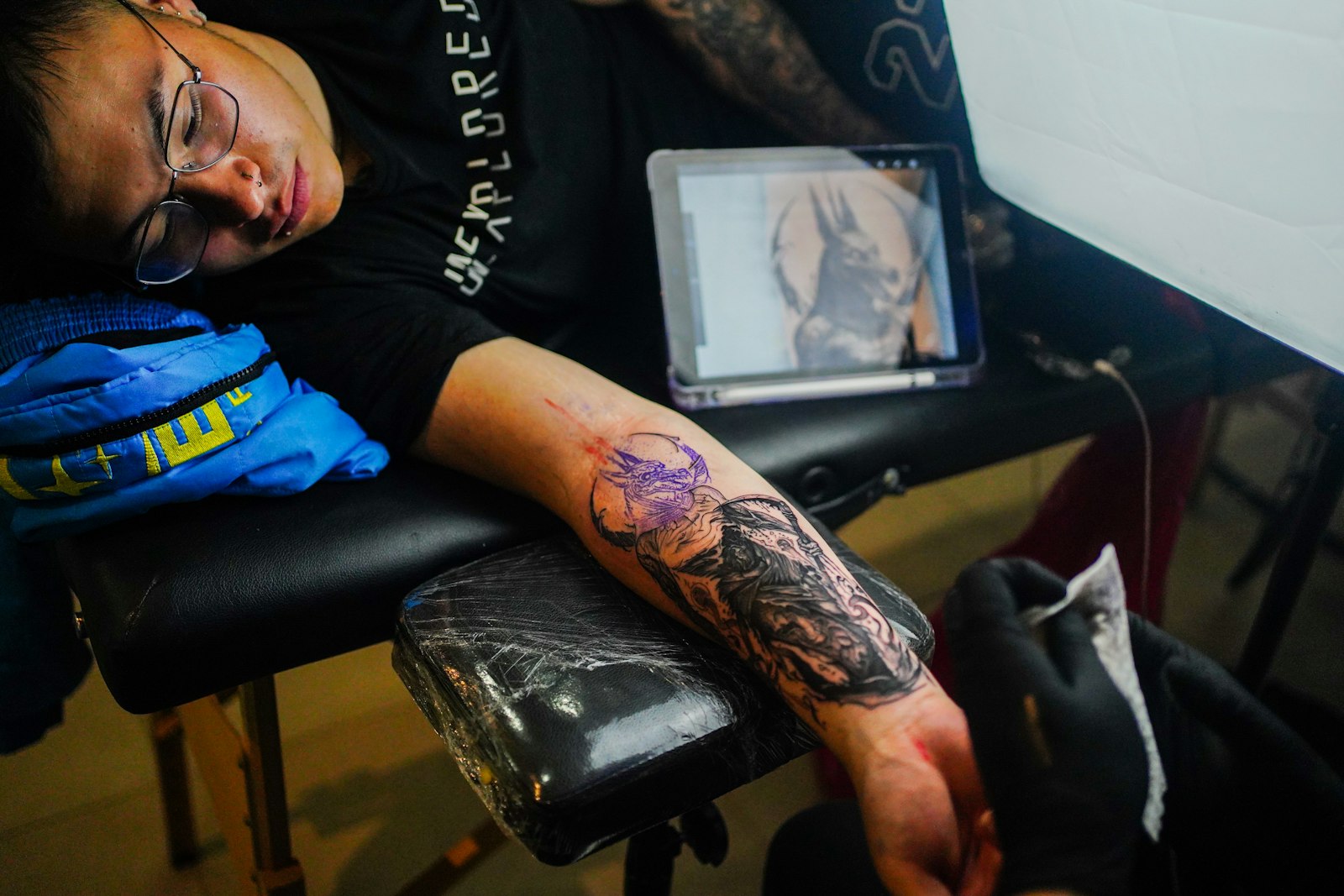
Color tattoos stick with you forever, so they demand real skill and respect for materials. You could chase vibrant jewel tones, soft pastels, or bold primaries, but the gap between work that stays gorgeous and pieces that fade or turn muddy comes down to ink quality, needle control, and an artist who actually knows how pigment behaves under skin. Here in Seattle, the studio you choose matters as much as the design itself.
Why Color Tattoos Require a Different Skill Set
Color work isn't just black and grey with pigment thrown in. It's a totally different technical animal. Your artist has to know color theory—how warm and cool tones play off each other, where shadows sit in a colored piece, how specific pigments shift and settle over time. The pressure, depth, and saturation change entirely from monochrome work. A color specialist knows reds and oranges burn out faster than blues and greens. They understand that light skin reads differently under certain pigments, and darker skin needs saturated colors to hold true.
Our color artists here at Cleopatra Ink in Downtown Seattle have spent years mastering this stuff. They've studied how ink holds up to UV, watched pigment layers age, tested saturation techniques for lasting color. It's not luck—it's science built into every pass of the needle.
Five Things to Check Before Booking Your Color Tattoo
- Ink brand and pigment sourcing — Ask your artist which ink lines they use. Hospital-grade, professional-only inks like Intenze, World Famous, and Eternal have consistent formulations and predictable color stability. Budget chains sometimes cut corners; premium pigments cost more but hold their hue for decades, not months.
- Artist portfolio depth in your specific color style — A color realist may not excel at abstract color work, and vice versa. Pull up their Instagram and look for 10–15 pieces in the exact style and subject matter you want. If they don't have much of that style visible, they're still learning it. Your arm is not a training ground.
- Aftercare protocol and touch-up policy — Color pieces often need strategic touch-ups around year two or three as certain pigments fade unevenly. A reputable studio will discuss this upfront and offer fair pricing on touch-ups. Ask how they handle fade-related maintenance before you book.
- Skin type and pigment testing — Darker skin tones, very light skin, and sensitive skin all interact differently with color pigments. Your artist should ask detailed questions about your skin history and be willing to do a small test patch if you have concerns. Skip any artist who doesn't customize approach by skin tone.
- The artist's hand steadiness under long sessions — Color saturation takes time. A two-hour color piece feels faster than a six-hour session, but your artist's hand must remain stable throughout. Check their references and ask past clients about fatigue or inconsistency during extended work.
Cleopatra Ink's Approach to Color Work and Pigment Integrity
We don't phone in color tattoos. Our studio uses only hospital-grade, professional-formulated inks from vetted suppliers. Every needle, tube, and pigment container opens fresh in front of you and gets autoclaved or disposed of. No shortcuts. No cross-contamination. No shared stock.
Our artists span the full spectrum, from color realism that rivals photography to abstract color compositions with emotional depth. They've trained hard on pigment layering, pressure control, and watching color age across different skin types. When you book a color piece with us, you're paying for that precision—the design matters, but so does the science underneath it.
A client came in recently wanting a botanical-inspired shoulder piece with reds, golds, and deep greens. Our artist spent the first 15 minutes on skin undertones, sun habits, and the client's long-term timeline. They swatched exact ink colors on the client's arm in natural light to lock in the choice. That level of detail isn't special treatment at Cleopatra Ink—it's standard. The piece healed with stunning saturation because every variable got controlled from start to finish.
Color Tattoo Longevity and Maintenance Questions
How long do color tattoos actually last before they fade?
With professional-grade pigments and solid aftercare, vibrant color typically holds strong for 5–7 years. That doesn't mean it vanishes after—it just dulls a bit. Reds and oranges go first, usually around year three. Blues and blacks stick around longer. Quality ink plus sun protection stretches this window significantly. We've seen photos from clients 10+ years out where their color pieces still look fresh because they wore SPF on the tattoo year-round.
Do I need to avoid sunlight to protect my color tattoo?
Yeah, but keep it real. You don't have to hide away forever. UV breaks down pigment molecules over time, the same way sun fades an old photograph. Wear SPF 30+ on your tattoo during outdoor time, especially during Seattle summers. Reapply after swimming. A color tattoo on your upper arm or thigh will age better than one on your neck or hands simply because of how much sun exposure those spots get.
Can I get a color tattoo over an old black tattoo?
Sometimes, but not guaranteed. If your old black tattoo is shallow and well-healed, a skilled artist can layer color over it strategically. Dense black ink, though, can bleed through lighter pigments. Schedule a consultation with your artist—they'll look at the original work and tell you if a cover-up, rework, or fresh canvas makes the most sense.
What's the difference between color and black-and-grey for healing?
Black ink often heals a bit faster and more predictably because it forgives minor mistakes. Color demands precision during healing—excess plasma, that clear weepy stuff, can muddy certain pigments if you're lazy with aftercare. Stick to unscented lotion, skip swimming and heavy sweat for two weeks, and don't pick at scabs. If you actually follow aftercare, color heals as reliably as black work.
Ready to bring vibrant color to your skin? Book a consultation with our color artists at Cleopatra Ink. We'll talk through your vision, assess your skin, and nail down the pigments that stick around for years. Visit us in Downtown Seattle or reach out to lock in your spot.
Check out fresh examples in our studio gallery, meet our artists to find your style match, or get into the full range of tattoo and piercing services we offer at Cleopatra Ink Seattle.
Head over to the Cleopatra Ink Seattle blog for more guides from our team.