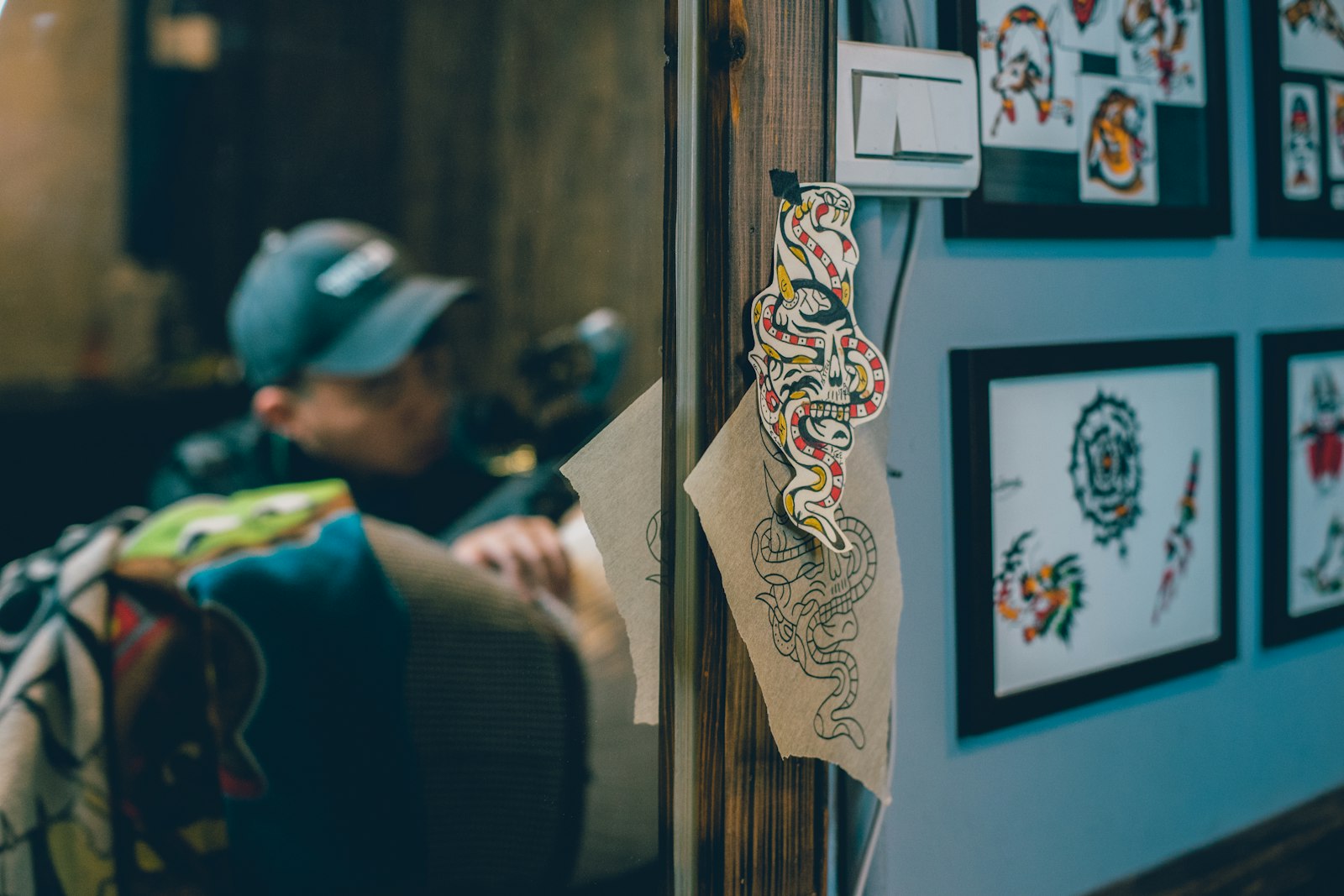
Minimalist tattoos stopped being a trend a few years ago and became something more permanent: a design philosophy that takes negative space seriously. When a single clean line or a few well-placed marks can hit harder than pages of shading and color work, you know you're onto something real. At Cleopatra Ink in Downtown Seattle, this isn't a constraint we work around—it's the entire reason we do the work. Vee, one of our fine line specialists, builds minimalist pieces that manage to feel both timeless and utterly personal. The thing about cleopatra ink minimalist work isn't that it's simpler; it's that every choice has to count.
Why Minimalist Design Demands Maximum Precision
Most people think minimalist tattoos are easier to pull off. They're wrong. When your design is three lines and empty space, those three lines have to be absolutely flawless. There's nowhere to hide a mistake. A wobbly stroke, an uneven gap, a line that loses weight halfway through—everyone sees it immediately. This separates artists who actually know their craft from people still figuring it out.
Vee brings real discipline to minimalist work because she understands what it actually demands. She's spent years building skill in fine line tattooing, which means she knows line weight control, needle depth, and how ink settles into skin over months and years. On paper, a minimalist piece looks simple. In reality, executing it takes the kind of precision that comes from thousands of hours at the machine. This is why looking at an artist's portfolio matters so much when you're picking someone for minimalist work. You're not paying for complexity. You're paying for accuracy.
Five Elements to Evaluate Before Committing to Your Minimalist Design
Before you finalize your minimalist tattoo, sit with these five things. This isn't about doubting yourself. It's about making sure your design will actually hold up over time, both visually and emotionally.
- Line weight consistency: Look at the artist's portfolio and ask yourself: are their lines staying even, or do they taper and fade? Inconsistent line weight is the dead giveaway of sloppy minimalist work. Ask to see close-ups of pieces that have healed for a year or two, not fresh ones straight off the machine.
- Negative space balance: Minimalist designs live in what happens between the ink and the empty skin. Ask your artist how they're actually using the blank areas around your design. Is negative space part of the plan, or is it just what's left over? The good minimalist pieces treat the empty space like it's as important as the marks.
- Longevity of fine lines: Be direct: how have fine lines held up for you in this specific spot on the body? Some placements (fingers, inner wrist) are genuinely tough. A real artist will tell you straight if your design will still read clearly in five years or if you should think differently about placement.
- Simplicity that still feels personal: A minimalist tattoo should be simple to execute but never bland. It needs a reason to exist—something you remember, something you value, something small that actually matters. If your artist can explain why your particular design works as minimalist instead of ornate, that's a solid sign.
- Aftercare demands for fine work: Minimalist tattoos need real care during healing because the lines are thin and any problem shows immediately. Make sure your artist will give you specific aftercare instructions for fine line work and will have your back if you need touch-ups down the road.
How Cleopatra Ink Executes Minimalist Work with Precision and Care
Minimalist design isn't something we do on the side at Cleopatra Ink. It's a main focus. Vee builds her entire practice around fine line and botanical work, both of which require the same exacting precision that minimalist pieces demand. We run hospital-grade sterilization and use single-use, sterile needles for every single appointment. Delicate lines mean zero room for equipment shortcuts.
Our design process is what actually sets us apart. Before any needle goes near your skin, you'll sit down with Vee and talk through not just what the design looks like, but how it's going to live on your body. She'll be thinking about placement relative to skin texture, how muscles move underneath, where the light hits. She's already thinking five years ahead, not just how it'll look fresh out of the studio. Clients tell us all the time that this conversation alone—an artist taking a simple idea seriously and asking the questions that matter—changes how they feel about the final piece. You're not in and out in fifteen minutes. You're working with someone who understands that restraint takes real planning.
We document our minimalist work extensively, and you can see finished healed pieces in our full gallery and look through detailed progress shots in our before and after collection. This transparency matters. You're looking at real healing results, not polished versions of mediocre work.
Minimalist Tattoo Questions—Answered by Our Artists
Will my minimalist tattoo stay sharp, or will thin lines blur over time?
Thin lines do soften a bit as they age. That's just how skin works. The difference between solid professional work and rushed work is how much of that softening actually happens and whether your design is still readable after five years. Vee places fine lines at the correct depth with technique that minimizes blurring. She also thinks about spacing. Lines that are too close together can actually merge as they heal. Proper spacing plus good technique means your piece stays clear and distinct. You might want a touch-up at the five-year mark, but that's routine maintenance, not damage control.
Is minimalist work cheaper than detailed or color tattoos?
Not really. The price depends on how complex the execution is and how skilled the artist is, not how many lines are in the design. A three-line piece by Vee will cost more than an elaborate rushed piece by someone less experienced. The time at the machine is often shorter for minimalist work than for full sleeves or big color pieces, but the hourly rate reflects actual skill. At Cleopatra Ink, you're paying for precision. Simplicity doesn't get a discount.
Can I do a minimalist piece on my fingers or inner wrist?
Yes, but you need to go in with real expectations. Fingers and inner wrists move a lot, and ink breaks down faster in those spots. Lines blur more noticeably. Minimalist designs can absolutely work there, but you should have an honest conversation with your artist about how the piece will look as it ages and if you're okay with needing touch-ups more often. Some placements just aren't ideal for minimalist work. Your artist should tell you if yours is one of them.
Should I get a minimalist piece or save up for something more complex later?
Don't frame it as settling. If minimalist is what speaks to you right now, get minimalist. These pieces age beautifully, feel intentional, and won't compete visually with other tattoos you add later. The best tattoo you'll ever have is the one you actually want, designed the way you want it.
Minimalist work happens where artistic confidence meets clarity. You know what you want (or you're ready to figure it out), and your artist knows how to pull off restraint without hesitation. That's when simple becomes powerful. Vee specializes in exactly that conversation. If you're thinking about a minimalist piece, book a consultation with us or check out how other minimalist and fine line work has translated onto skin in our studio. We'll build something simple, intentional, and built to last.
Explore more guides from our team on the Cleopatra Ink Seattle blog.