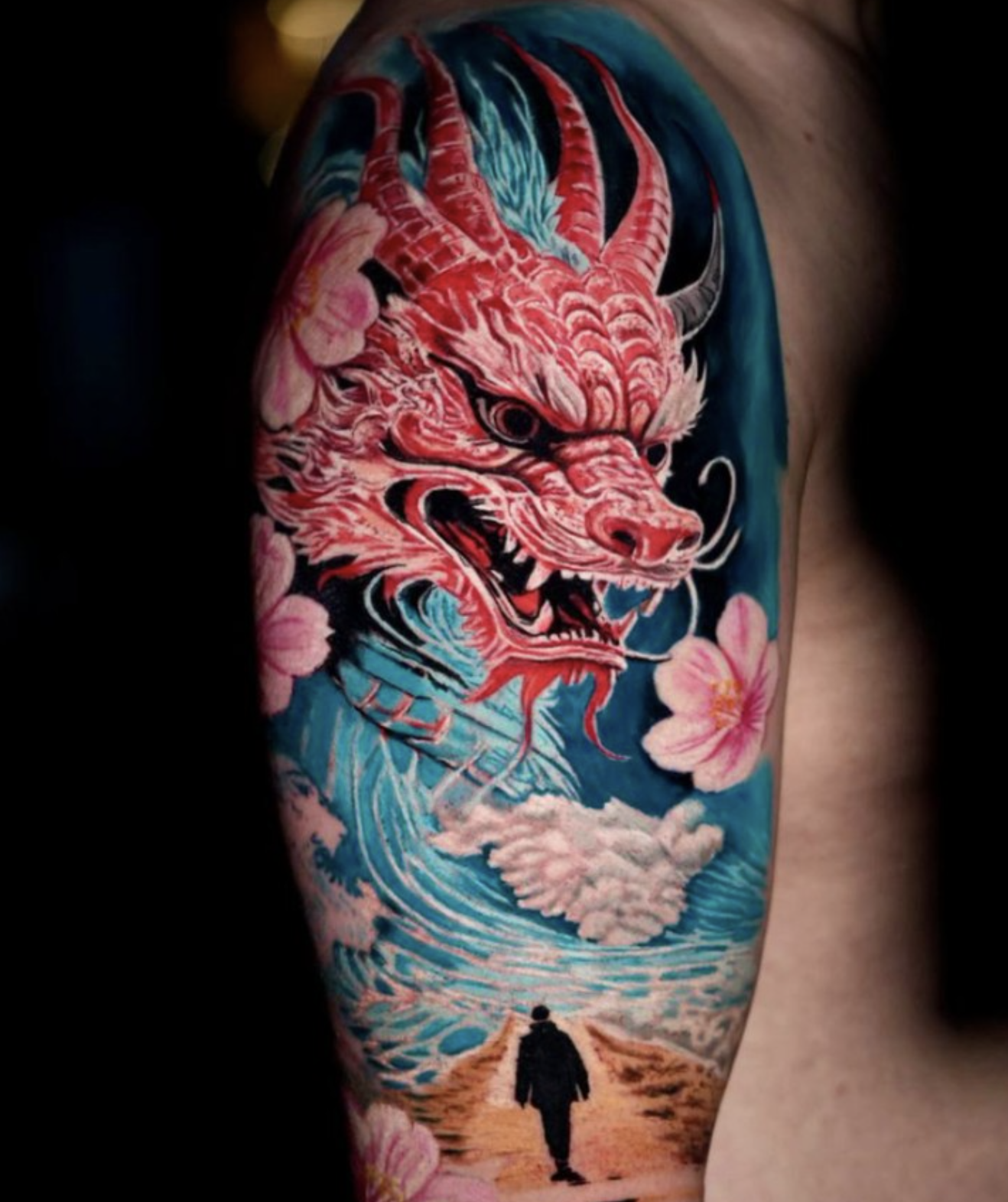
A tattoo is permanent, so the person holding the needle matters more than you might think. You're not just buying a service—you're trusting someone with your skin, your vision, and your long-term satisfaction. In Downtown Seattle, there are plenty of artists out there. Finding the one who actually gets what you want, though, that's a different story. This guide breaks down how to spot a real artist from a mediocre one.
Understanding Your Tattoo Artist's Specialization Matters
Every tattoo artist isn't the same. Some kill photorealistic portraits. Others are obsessed with minimalist line work. A few have spent years perfecting bold traditional designs or intricate botanical pieces. Before you even look at portfolios, know what style you actually want. This matters because technical skill doesn't transfer across styles. A realism artist might botch fine line placement. A minimalist artist might not know how to saturate blackwork. Your artist's specialty directly determines whether your idea becomes killer or disappointing.
At Cleopatra Ink, we built the team with different specializations on purpose. Vee does fine line, botanical, and minimalist work with technical precision. Kuya Ramon handles realism, portraits, memorial pieces, and bold blackwork. Seray focuses on piercings and ear curation, plus fine line work. Matching your vision to the artist who's done it hundreds of times beats asking a fine line specialist to tackle a full-color sleeve.
Five Critical Checkpoints Before You Commit to Your Tattoo Artist
Work through this before you book anything.
- Does their portfolio match your exact style? Don't scroll through 50 random pieces. Find 8–10 finished pieces that look almost identical to what you're after. If you want fine line botanical work, see fine line botanical work. Skip the rest. If you can't find enough relevant examples, they're probably not your person.
- Check for consistency in their past work. Pull up their Instagram or request a full portfolio. Are the lines equally sharp on every piece? Does the ink saturation hold up, or does old work look blown-out next to recent pieces? Consistency across multiple tattoos proves they have process and discipline.
- Verify their sterilization setup and facility standards. This isn't optional. Ask about autoclave certification, single-use needles, hospital-grade inks, and equipment. A real artist welcomes this question. If they seem evasive or vague, move on.
- Read recent reviews, but hunt for specific details. Generic five-star praise doesn't prove much. Look for clients mentioning their actual design, how the artist communicated, or how revisions were handled. At Cleopatra Ink, our 4.9-star rating across 1,300+ reviews includes detailed client feedback about individual artists—that specificity tells you something real.
- Assess how they respond to your initial message. Do they ask real questions about your vision, or do they just say "yeah, we can do that"? A solid tattoo artist pushes back on vague requests, asks for inspiration references, and discusses placement before you sit down. Their questions show whether they're thinking hard about your design or just chasing the booking.
Why Cleopatra Ink's Artists Stand Out in Downtown Seattle
Vetting an artist goes beyond checking boxes. You need to see how they actually work. At Cleopatra Ink, every artist runs autoclave-sterilized equipment, uses single-use needles, and only uses medical-grade inks. But credentials alone don't make a great artist. What matters is that these standards are part of the studio culture, not just bureaucracy.
Kuya Ramon's portrait and memorial work shows this in action. Families walk in wanting to honor someone they lost. That's not just a tattoo—it's a legacy. Kuya spends time with reference photos, asks what made that person matter, and refines his approach until he captures something real. Clients talk about watching him work as meditative and deeply respectful. That's the gap between a technician and an actual artist.
Vee brings that same care to minimalist and botanical work, where a single millimeter out of place becomes obvious. Years of fine line work taught Vee how ink settles on skin over time, how spacing changes during healing, and why negative space matters as much as the lines themselves. This stuff takes thousands of hours to learn.
Seray rounds out the team with piercing and ear curation expertise, so if you want to stack your ear or add a piercing alongside a new tattoo, you're getting coordinated work from someone who understands both.
Questions to Ask Your Tattoo Artist Before the Needle Touches Skin
What's your healing protocol and aftercare recommendation?
A real artist thinks past the session. They should give you detailed, written aftercare instructions, not just "keep it clean." Ask specifically how to wash it, what products matter, and when to book a touch-up. If they say "it's fine, just let it heal," they're not thinking about your result in six months.
Can we do a design consultation first, or do you just tattoo from reference photos?
Some artists work fast with a photo and instinct. Others want to sit down and talk placement, sizing, and how the design will actually look on your body. Both approaches work, but you need to know which one your artist uses. Mismatch here creates tension.
How do you handle changes during the session?
Even with solid planning, something might look different once you're sitting in the chair. Good artists say upfront: changes after line work cost extra, or we finish now and schedule revisions later. Transparency about what's possible saves regret.
What's your experience with my specific design or style?
This is your reality check. Ask Kuya Ramon about his process for nailing likeness in portrait work. Ask Vee how many fine line botanical pieces she's done and what problems come up. Listen to whether they sound confident and specific, or generic.
Next Steps: Finding Your Artist
Start with clarity about what you want. Then research and vet hard. Spend time on portfolios. Read reviews carefully. Ask tough questions. The artist you pick will be on your skin forever.
Cleopatra Ink in Downtown Seattle has a team built on real specialization and serious standards. Check out our artists' specializations or read more about whether walk-in or appointment booking works for your project. We're here to help you find the right fit. Book a consultation with the artist whose work matches your vision.
Check out more guides on the Cleopatra Ink Seattle blog.