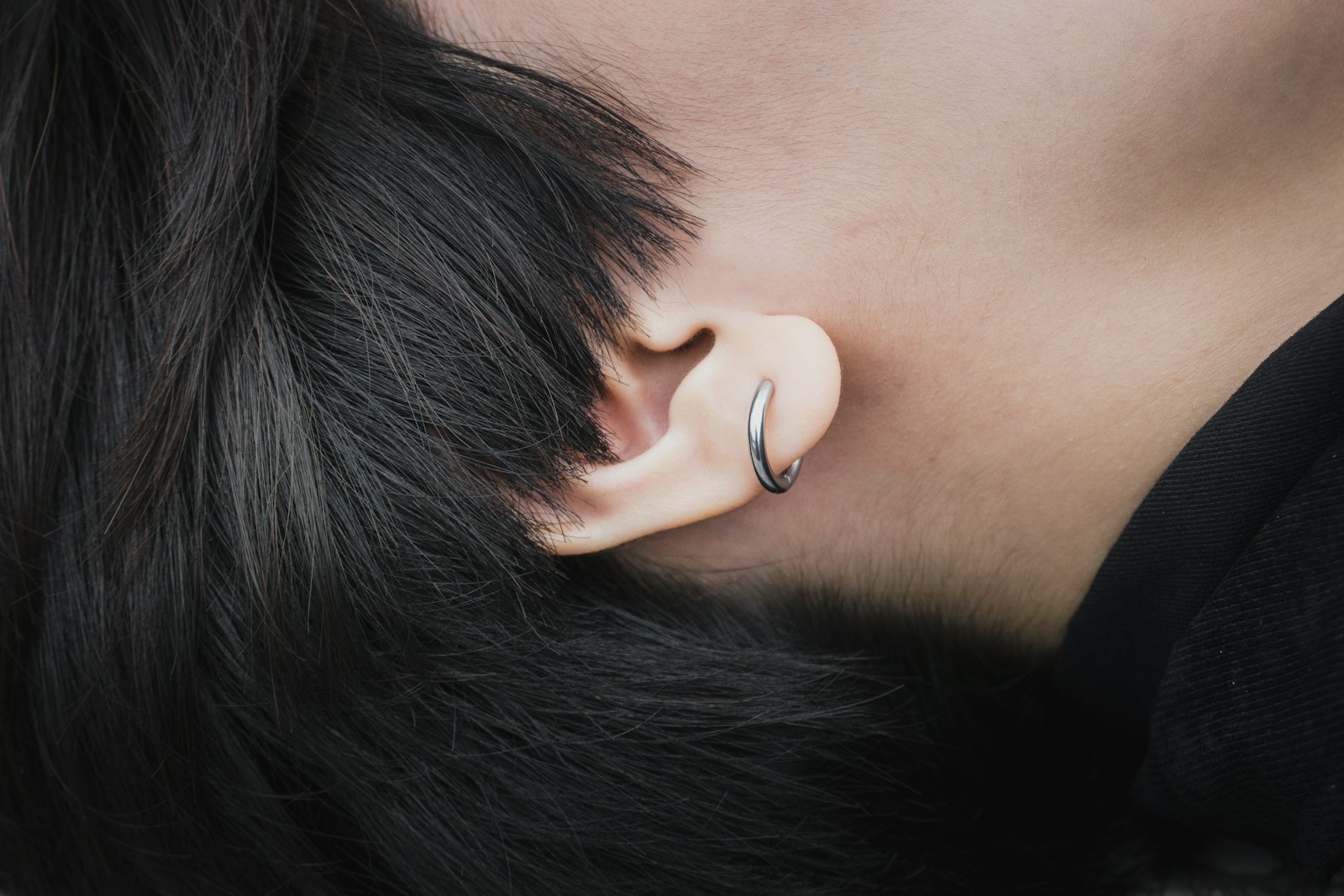
Your auricle—that curved cartilage that frames the middle part of your ear—is actually prime real estate for sophisticated ear design. Unlike a lobe piercing in soft tissue, an auricle piercing seattle demands precision, solid anatomical knowledge, and someone who actually understands how jewelry sits in three dimensions on a specific ear shape. Seray at Cleopatra Ink Seattle has spent years perfecting auricle placements that look intentional, feel balanced, and genuinely suit each client. If you're starting your ear curation or adding to what you've already got, the anatomy and healing timeline are both worth understanding upfront.
The Auricle's Role in Ear Curation Design
The auricle occupies the space between the helix and your face, which gives you multiple zones to work with: upper, mid, and lower auricle sections. Each zone heals differently, works better with certain jewelry styles, and creates distinct visual weight. When Seray is planning your piercing, she's looking at your ear's natural shape, the angle of your cartilage, and how new jewelry will look next to anything already there. That's what ear curation really means—building something cohesive across your whole ear, not just poking a hole.
The auricle sits flatter against your head compared to the helix or forward helix. That flat positioning makes jewelry selection absolutely critical. A delicate stud reads totally different than a small hoop or chain, depending on exactly where on the auricle you place it. Some people want one bold focal point. Others are building an entire ear constellation. Seray translates what you're imagining into a placement that actually works for your anatomy and how you live.
Five Things to Check Before Booking Your Auricle Piercing
An auricle piercing is a real commitment to proper healing and care. Make sure you're ready before you book.
- Confirm your piercer understands auricle anatomy. Cartilage thickness and blood flow differ from person to person. A competent piercer examines your ear in person and explains why they're recommending a specific angle and depth. Seray always does a hands-on ear assessment before touching a needle.
- Verify jewelry material options upfront. Titanium, solid gold, and surgical steel are standard for fresh piercings. Ask if your piercer has or can source the exact gauge and style you want. You can't swap jewelry on day one—hospital-grade materials are essential while your piercing is healing.
- Assess your daily habits and risk factors. Do you sleep on that side? Wear headphones constantly? Work somewhere dusty or dirty? These things matter. An auricle typically heals in 8–12 weeks, but sleeping on it or catching it on hair can slow that down. Be honest about your actual lifestyle.
- Ask about aftercare specific to the auricle. This cartilage tends to form irritation bumps more easily than lobes. Your piercer should give you a clear saline routine, activity restrictions, and warning signs to watch for. Seray hands clients written aftercare instructions so you're not figuring it out on the fly.
- Confirm the piercer has worked with your ear shape. Small ears, large ears, protruding auricles, and flat auricles all need adjustments. A piercer who's only seen a few ear types might miss details that matter for your comfort and how it looks. Seray has pierced hundreds of ears with completely different shapes and modifies her approach for each one.
Seray's Approach to Auricle Piercing & Ear Curation
At Cleopatra Ink Seattle, auricle piercing doesn't exist in isolation—it's part of a bigger ear curation plan. Seray uses hospital-grade sterilization on everything. Single-use needles, autoclaved to medical standards, never reused. Her artist credentials include specialized cartilage anatomy training and advanced ear design planning. The studio's 4.9-star rating across 1,300+ reviews shows clients trust both her technical precision and her eye for design.
What makes Seray different is she'll design your entire ear, not just poke one hole. A client came in wanting a single auricle piercing and ended up leaving with a plan for three piercings mapped out together: auricle, forward helix, and upper helix. She plotted the whole thing at once, explained the staggered healing timeline, and started with the auricle as the anchor. Months later the client sent photos of the finished ear—perfectly balanced, unmistakably theirs. That gap between a piercer and an ear curator shows up in moments like that.
Seray stocks luxury gold jewelry options alongside titanium, so your auricle can look the way you want it from the first day of healing. Hospital-grade materials, accurate placement, and real cartilage knowledge add up to fewer problems and faster healing.
Your Auricle Piercing Questions Answered
How long does an auricle piercing take to heal?
Eight to twelve weeks is typical if you're actually following aftercare. Cartilage heals slower than soft tissue, and your auricle moves constantly from chewing, talking, and head movement. If you sleep on that side or catch it on your hair regularly, add another month or two. Irritation extends healing fast.
Can I change my auricle jewelry before it's fully healed?
No. Swapping jewelry too early risks infection, migration, and bumps. Wait at least 12 weeks before changing it, even if it feels totally healed. The inside is still stabilizing long after pain disappears.
Does an auricle piercing hurt more than a lobe piercing?
Yes. Cartilage has more nerve endings than soft tissue, so you'll feel it more. Most people describe a sharp pinch that's done as fast as it started. Seray's technique keeps trauma minimal, so clients are usually surprised how quick it is. She's upfront about what's coming, so no shock value.
What's the difference between an auricle and a helix piercing?
The helix is that outer curved rim you can see from the side. The auricle is the flatter cartilage area below the helix, sitting closer to your face. Helix piercings are front and center and very visible. Auricle piercings are more understated. Both are cartilage with similar healing times, but their placement and jewelry options are totally different. Good ear design often uses both.
Ready to map out your auricle piercing? Seray's in our Downtown Seattle studio and takes appointments for consultations. She'll look at your actual ear anatomy, hear what you're imagining, and create a placement that's beautiful and biomechanically solid. Book your consultation and get started on your ear design. You might also check out other cartilage piercing options to see how your auricle fits into a complete ear plan.
More guides and ideas are on the Cleopatra Ink Seattle blog.